Europe Endures Another Brutal Heatwave as Wildfires and Deaths Mount
Europe is once again in the grip of intense, life-threatening heat, as a new wave of extreme temperatures compounds what has already proven to be an historically severe summer. The latest surge of scorching conditions follows a pattern of repeated heatwaves that have baked the continent since early in the season, leaving authorities, emergency services and ordinary citizens struggling to cope with conditions that would once have been considered exceptional but are becoming increasingly routine.
The consequences have been devastating on multiple fronts. Thousands of people across the continent have died in circumstances linked to the extreme heat, according to reports from health authorities and monitoring bodies. The toll has fallen disproportionately on the elderly, the very young, outdoor workers and those without access to adequate cooling, highlighting deep inequalities in how societies are able to respond to climate-driven emergencies.
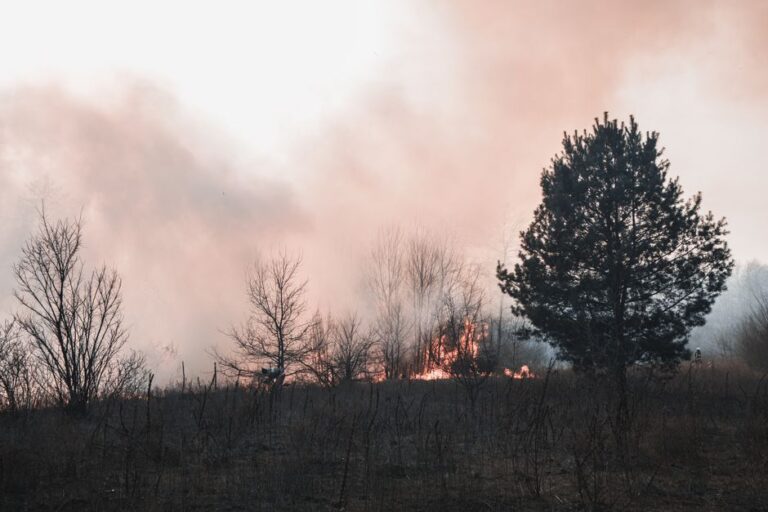
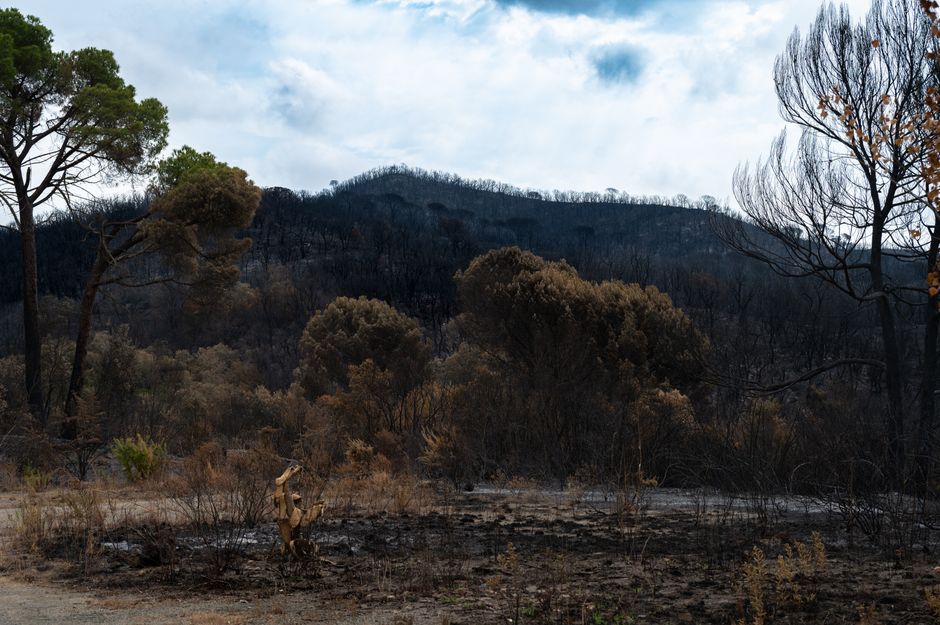
Prolonged drought conditions running alongside the heatwaves have amplified the danger posed by wildfires, which have torn through forests, farmland and residential areas in several European countries. Fire services have been stretched to capacity, with some nations requesting international assistance to bring blazes under control. Tens of thousands of hectares of vegetation have been destroyed across the region, officials confirmed, with some fires burning for days or weeks before being fully extinguished.
A Summer That Is Rewriting the Record Books
Meteorologists and climate scientists have pointed to the accumulation of heatwave events this season as particularly significant. Rather than isolated spikes in temperature, Europe has experienced repeated and overlapping periods of extreme heat, giving little opportunity for land, water systems and human populations to recover between events. Reservoirs in several southern European nations have dropped to critically low levels, threatening water supplies and agricultural production heading into autumn.
The agricultural sector has reported serious damage to crops, raising concerns about food security and price pressures in the months ahead. Farmers across the Mediterranean basin and parts of central Europe have described some of the worst growing conditions in living memory, with harvests of key staples expected to fall well below average, according to industry reports.
Emergency health guidance has been reissued across the continent urging people to stay indoors during peak heat hours, drink water regularly, and check on vulnerable neighbours and family members. Urban areas have faced particular challenges, as the so-called heat island effect causes cities to retain significantly more warmth than surrounding countryside, leaving urban populations exposed overnight as well as during daylight hours.
The summer’s events have renewed pressure on European governments to accelerate adaptation measures, including investment in urban green spaces, early warning systems and the retrofitting of housing to withstand extreme temperatures. Climate advocates argue that while mitigation — cutting greenhouse gas emissions — remains essential for the long term, the scale of suffering this summer underscores the urgent need for practical measures that protect people from conditions that are already here. European Union officials have indicated that the frequency and intensity of such events aligns closely with projections from climate science, and that without decisive action, summers of this kind will become the norm rather than the exception.