EU Council president proposes new budget with digital tax on tech giants
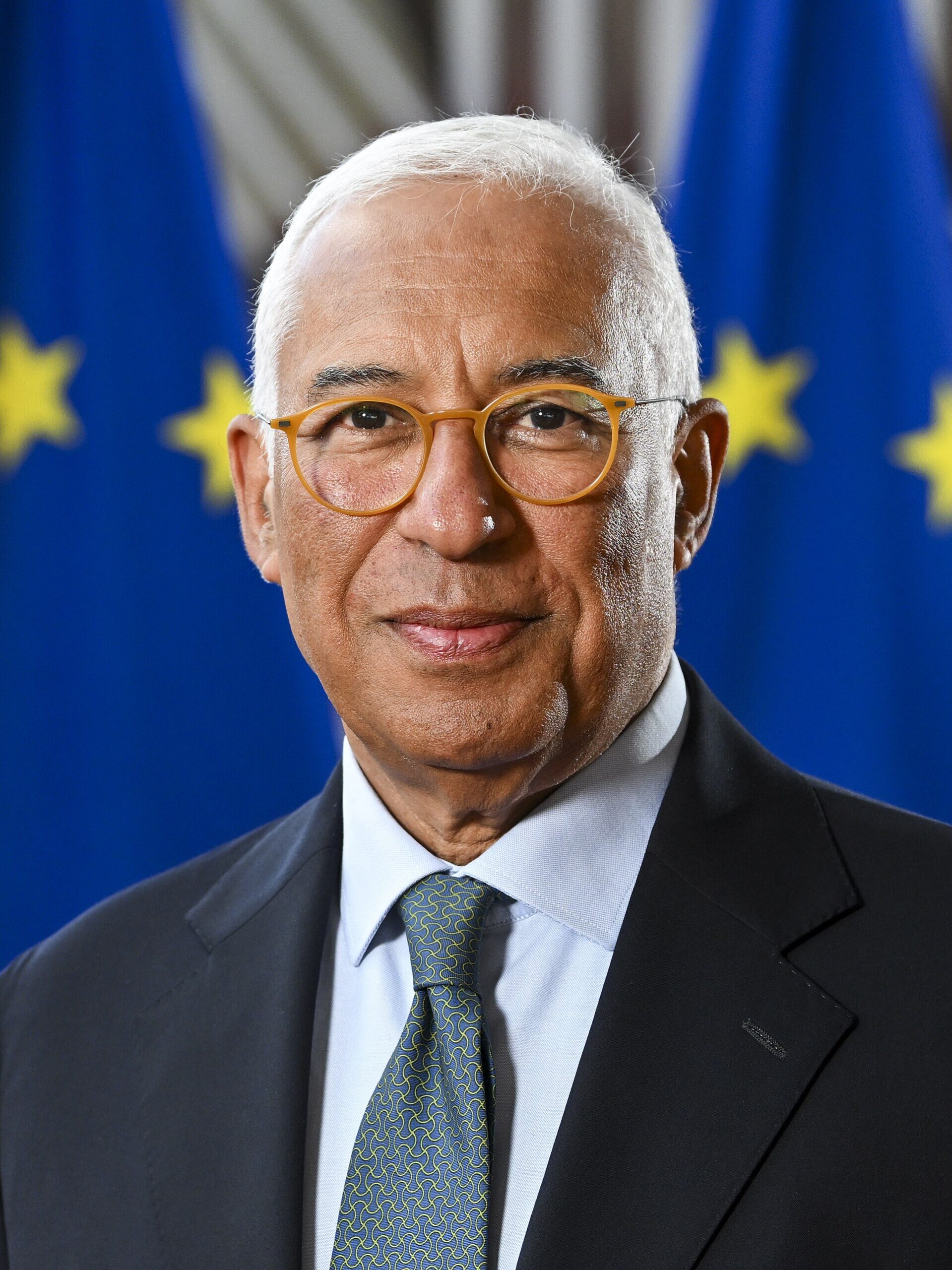
European Council President Antonio Costa has put forward a revised proposal for the European Union’s next long-term budget, aiming to introduce new revenue streams including a tax on large digital companies. The draft, which covers the period from 2028 to 2034, seeks to reduce the financial burden on member states by generating additional income at the EU level. Costa’s plan comes after an earlier version from the European Commission was heavily criticized, particularly by a group of northern member states led by Germany, who demanded a smaller budget.
The new proposal cuts the overall size of the budget by €204 billion compared with the Commission’s initial draft. However, divisions among member states appear to persist, with France immediately rejecting the new text. The French presidency described the proposal as “deeply disappointing” and argued that it “falls well short of what is needed, particularly on the Common Agricultural Policy, notably to guarantee income support for farmers”.
New own resources
A central element of Costa’s plan is a set of new “revenue channels” explicitly designed “to keep national contributions at a reasonable level”. The most prominent measure is a tax on companies with an annual turnover from digital activities of at least 50 million euros within the EU and 750 million euros worldwide. Those firms would face “an annual contribution corresponding to 3% of the annual net turnover from online advertising, digital intermediation services and user-generated data”, according to Costa.
The “balanced basket of new own resources” also includes taxes on tobacco products and electronic waste. Costa defended the proposal as “a realistic budget that addresses our new priorities while preserving our established policies” and expressed confidence that it is “a good basis for moving towards a final agreement”. The budget will not be decided by Costa or the Commission alone; it will be the focus of extensive discussions when EU leaders meet in Brussels next week. The EU aims to reach a general agreement by the end of 2026, with formal adoption planned for 2027.