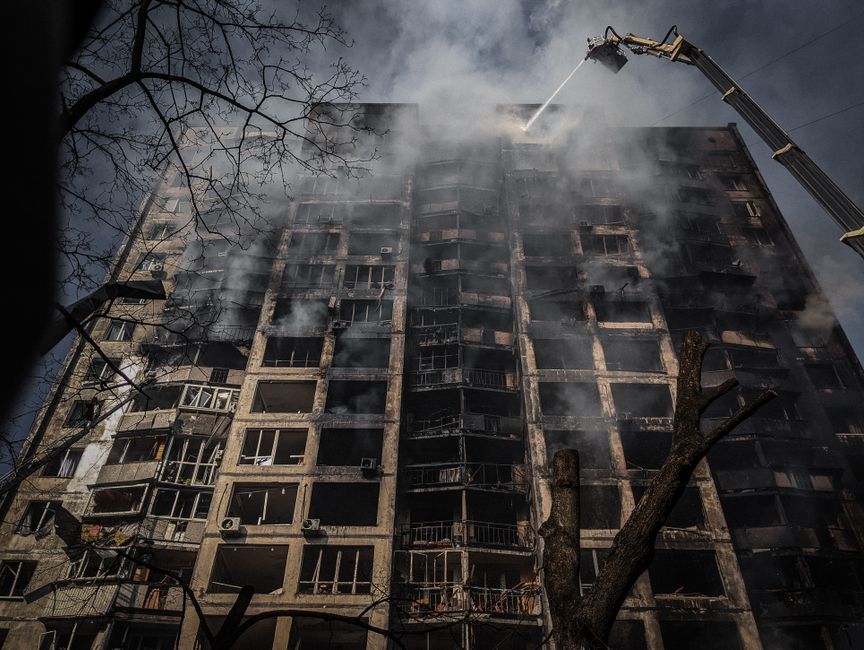
Russian Overnight Strikes Leave 12 Dead and Dozens Wounded Across Ukraine
A sustained barrage of Russian strikes swept across Ukraine overnight, claiming at least 12 lives and leaving more than 80 people wounded in what officials described as one of the more damaging nocturnal attacks in recent weeks. The assault targeted several regions simultaneously, underscoring the continued intensity of the war now well into its third year.
Among the areas hardest hit was the Kyiv region, where Ukrainian President Volodymyr Zelenskyy confirmed that three people lost their lives, including a child. The deaths in the capital’s surrounding territory drew immediate condemnation from Ukrainian authorities, who have repeatedly called on Western partners to accelerate the delivery of air defence systems capable of intercepting incoming Russian missiles and drones.
Widespread Casualties Reported Across Multiple Regions
Beyond the Kyiv region, casualties were reported in several other parts of the country, with emergency services working through the early morning hours to reach the wounded and recover victims from damaged buildings. Residential infrastructure bore the brunt of the strikes in a number of locations, according to regional officials, with apartment blocks and private homes among the structures affected. The full extent of the damage was still being assessed as daylight broke.
Ukrainian air defence units were reported to have intercepted a portion of the incoming projectiles during the night, though officials acknowledged that a significant number broke through the defensive screen. The mix of ballistic missiles and Shahed-type drones deployed in the attack has become a familiar pattern in recent months, designed in part to overwhelm and exhaust Ukrainian defence capabilities across a wide geographic area.
The strikes drew swift reaction from Kyiv, with senior officials reiterating longstanding requests for additional munitions and more advanced interceptor systems from allied nations. Ukraine has argued consistently that delays in military aid have a direct and measurable cost in civilian lives, a point Zelenskyy has made repeatedly in addresses to both domestic and international audiences.
International responses were expected in the hours following the attack, with European capitals and NATO member states likely to issue statements of condemnation. The assault comes amid ongoing diplomatic activity surrounding potential ceasefire negotiations, though those discussions have so far produced little tangible progress, and Russian strikes on civilian-populated areas have continued unabated throughout any such diplomatic overtures.
Humanitarian organisations operating inside Ukraine warned that the cumulative effect of repeated overnight bombardments was placing enormous strain on medical facilities, many of which are already operating under difficult conditions due to wartime resource constraints. The targeting of energy infrastructure in previous strike campaigns has also left parts of the country vulnerable heading into periods of high electricity demand. Authorities urged residents in affected regions to follow civil defence guidance and report any unexploded ordnance to emergency services, as secondary hazards from failed munitions remain a serious concern in the aftermath of large-scale attacks.