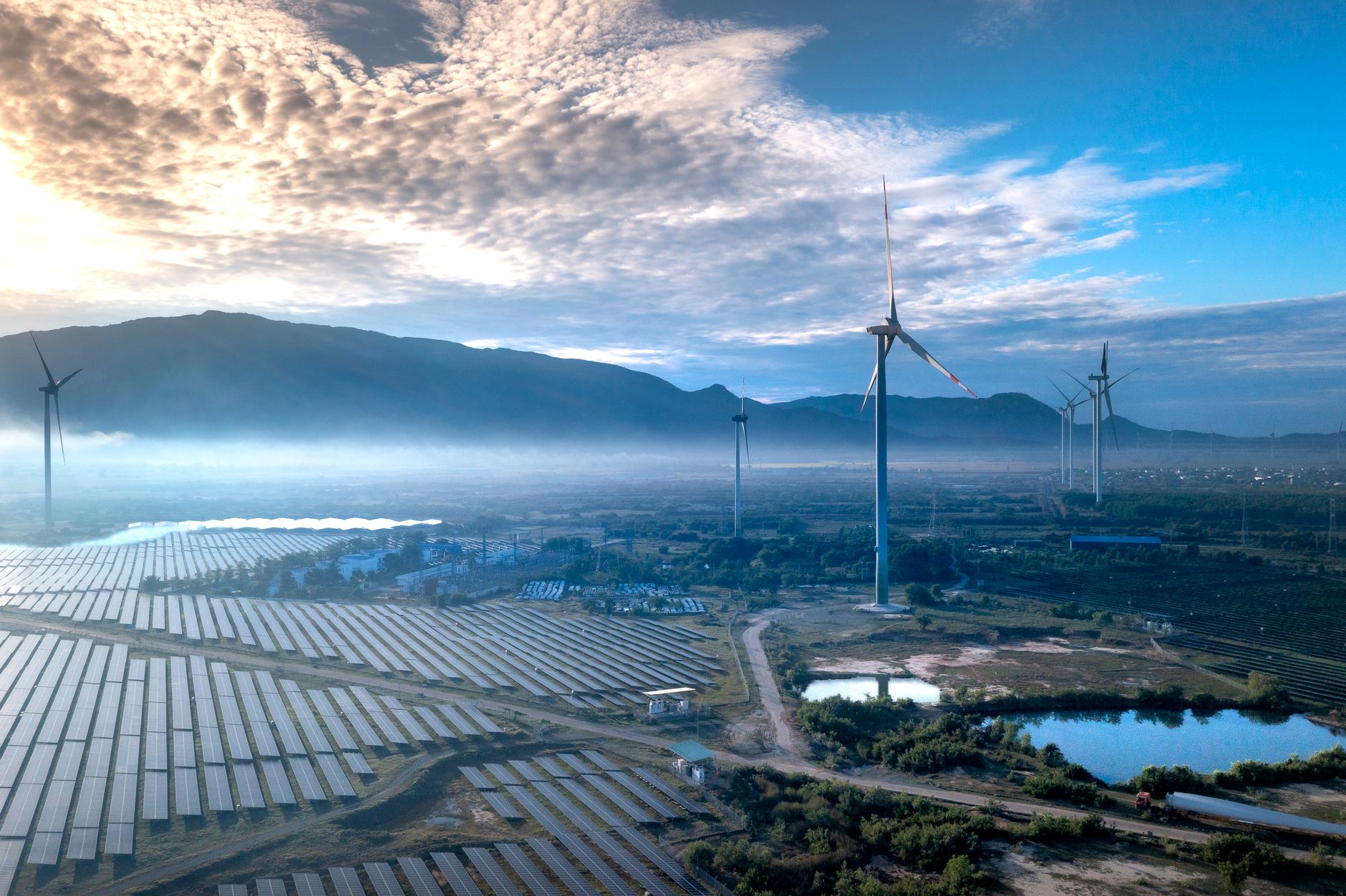
China’s ‘Malacca dilemma’ drove its clean-tech rise, while Europe still debates fossil fuels
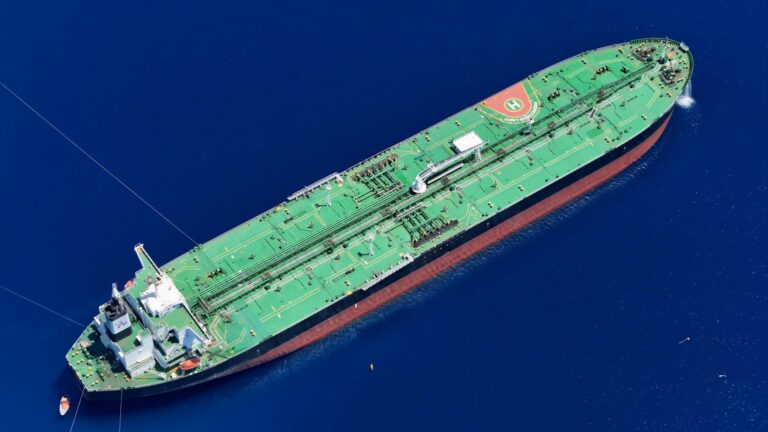
A single supply scare in 2003 pushed China toward renewables, but two real crises have failed to move Europe, according to a new analysis. Chinese president Hu Jintao’s concern over what became known as the ‘Malacca dilemma’ — the fact that roughly 80 percent of imported crude passed through a strait beyond Beijing’s naval control — gave rise to a broader security doctrine of supply-chain resilience. That doctrine underpinned China’s shift into a clean-tech powerhouse. President Xi Jinping has described the country’s early bet on wind and solar as ‘forward-looking’, a remark cited in a paper from the London School of Economics’ Grantham Research Institute published on Monday.
The paper identifies green growth as ‘the answer’ to geopolitical uncertainty. Clean technology is not only clean but also secure and free from import dependence, offering a ‘more durable pathway’ to ‘economic resilience’. In contrast, the paper dismisses arguments that expanding fossil-fuel imports or drilling more wells improves resilience through diversification.
Because oil and gas are priced on global markets, even producers face price shocks. More North Sea drilling would save UK households just £16 to £82 a year, the paper finds, citing Oxford University research. A renewables and electrification pathway would save £105 to £441.