Can Bulgaria be a safe gateway for Asian imports to the EU?
On the morning of October 6, drones struck two commercial ships off Bulgaria’s Black Sea coast, sinking one vessel and triggering alarm across Bulgaria and the European Union. The attacks came as the EU pushes for Bulgaria to become a key entry point for Asian goods via the Middle Corridor, a trade route the bloc has recently committed to developing. The Middle Corridor, officially termed the Trans-Caspian Transport Corridor by the EU, connects Europe and Asia. It starts in China, runs through Kazakhstan, Azerbaijan, Georgia, and Turkey before entering the EU. The route relies mostly on railways and roads, with short sections crossing the Black and Caspian Seas.
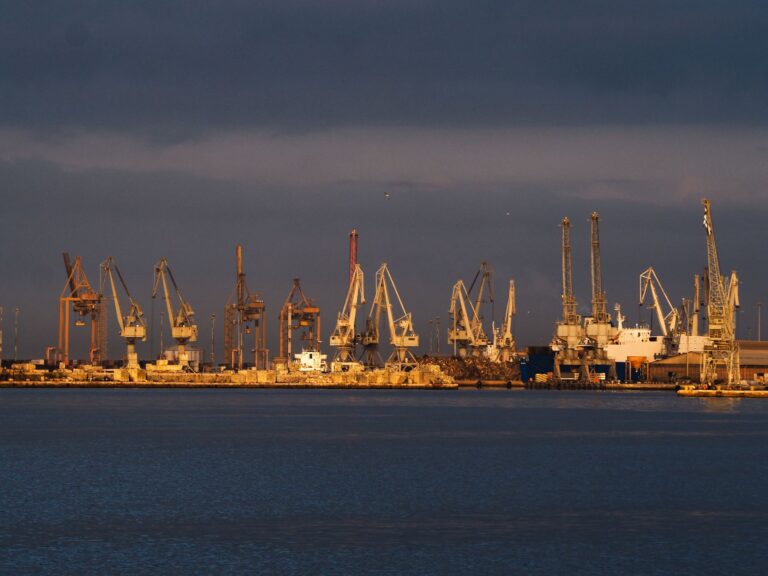
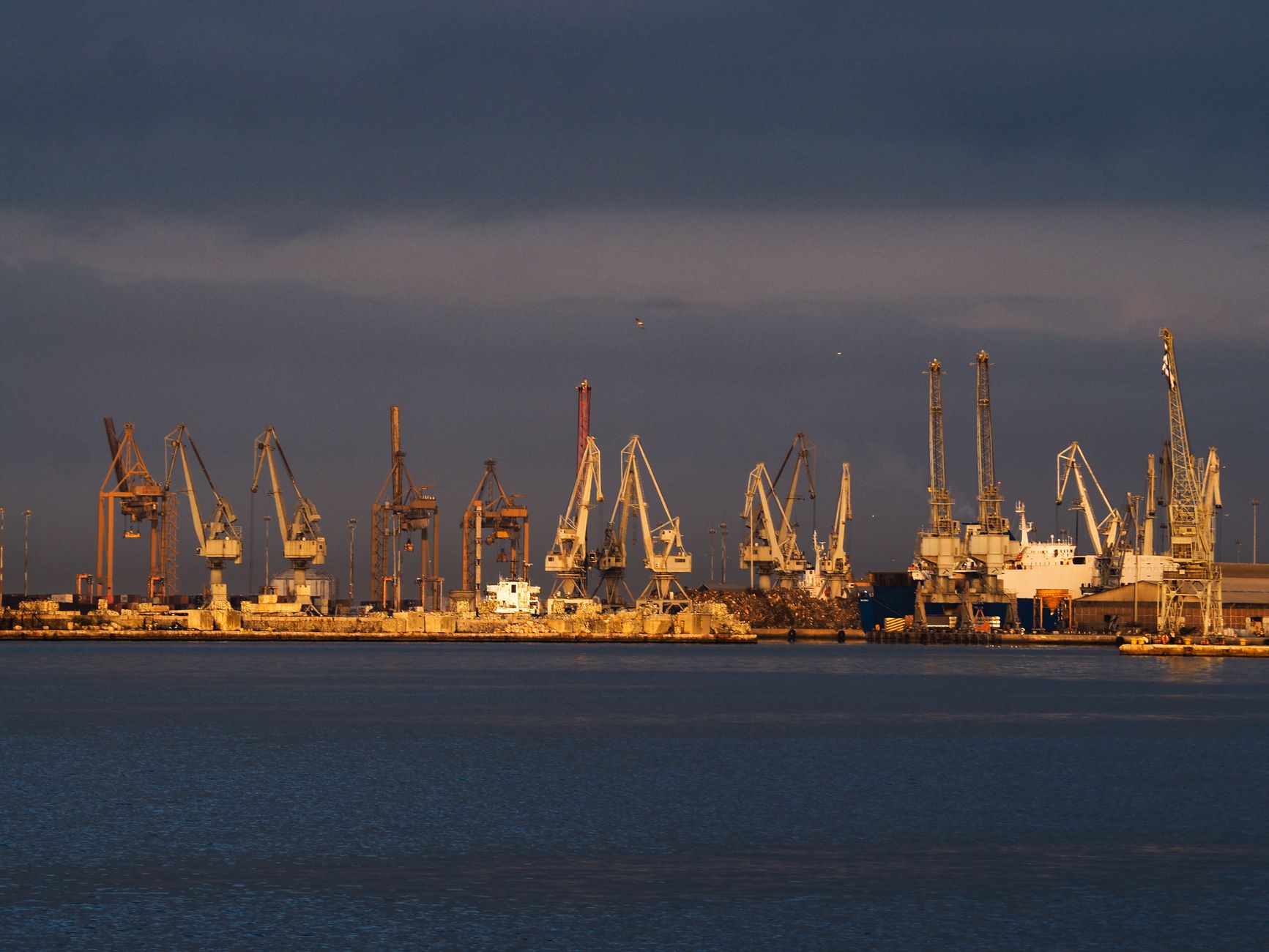
This year, the EU declared its intention to bet big on the corridor, a move that could significantly affect Bulgaria’s railways, roads, and ports. Bulgaria already hosts the Kapitan Andreevo land border crossing with Turkey, one of Europe’s busiest, where trucks frequently line up. The country also has two strategic Black Sea ports, Varna and Burgas, and a new section of the Istanbul-Bulgarian border railway line is set to open this fall.
EU sees strategic advantages
In September, EU Commissioner for Enlargement Marta Kos called Bulgaria “Europe’s Connectivity Gateway.” Months earlier, Kos had highlighted that the Middle Corridor could cut Asia-Europe transport times from 45 days to 15 days, and that it is safer than the two traditional routes. The overland Northern Corridor through Russia saw trade drop sharply after Russia’s full-scale invasion of Ukraine in February 2022. The Ocean Route, which uses ships via the Red Sea and Suez Canal, has been affected by Middle East wars and instability fears, leading many goods to be shipped around Africa—a journey of around 45 days that causes delays and costs for businesses and consumers. Vessela Tcherneva, deputy director of the European Council on Foreign Relations, based in Sofia, Bulgaria, described the Middle Corridor as “a project that basically avoids both war theaters that we have near Europe.” She added that “it avoids the route through Russia, and also it avoids the route through the Middle East.”
Challenges remain
Despite the advantages, Tcherneva cautioned that much must change before the Middle Corridor can truly compete with the Ocean Route. “You have, first and foremost, security limitations,” she said. “The security situation in Central Asia needs to really have improved enough so that one can make long-term plans for constructing big projects.” She also pointed to weak institutions and bureaucracies in countries along the route, and noted that Russian involvement cannot be ruled out, as past infrastructure projects did not happen because they were not perceived as in Russia’s interest. The outcome of Russia’s war in Ukraine will impact the corridor’s success or failure, she said.
Tuesday’s drone attacks on commercial ships in the Black Sea were a stark reminder that security on the route could remain a problem. Additionally, the Caspian Sea’s water level is falling due to climate change, with no guarantee that ships will cross it in the future. Ports and railways along the route also lack the capacity for big trade volume increases.
Despite these risks, the EU clearly wants more trade through the Middle Corridor. European Commission President Ursula von der Leyen said in her recent State of the Union speech that the EU wants to improve “connectivity” by diversifying trade routes, increasing trade flows, and reducing freight transit times. The EU aims to raise €12 billion ($13.5 billion) in public and private investment.
For Bulgaria, the benefits are clear, according to Tcherneva. She said Bulgarian railways have been underinvested for decades, and Bulgarian ports would benefit greatly from investment. Developing better road connections from the Mediterranean up, and east-west, especially north of Bulgaria, would also help.