EU leaders clash over carbon market as energy crisis deepens
European Union leaders grappled with deep divisions over the bloc’s carbon market during a summit in Brussels that stretched late into Thursday night. The Emissions Trading System (ETS), a cornerstone of EU climate policy, pitted Nordic member states against the Visegrad group, with Italy and Greece backing the latter. The dispute highlighted how the current energy price crisis has intensified long-standing tensions over the pace and cost of decarbonisation.
The ETS, launched in 2005, requires companies to pay for their pollution, aiming to cut emissions and spur investment in clean technologies. According to the European Commission, emissions from covered industries have dropped 51% since its inception. The system currently applies to heavy industry, power plants, airlines, and shipping, with the Commission proposing to add international aviation, landfills, and incinerators in a summer review.
Nordic bloc warns against weakening carbon market
Finland, Denmark, and Sweden issued a stark warning to fellow leaders on Thursday, arguing that any dilution of the ETS would undermine investment in clean technologies and penalise those who have already invested. In a letter seen by Euronews, the three countries stated: “Any weakening of the ETS would undermine the predictability on which investment decisions depend and risk slowing the pace of industrial decarbonisation.” They contended that cutting ambition would shift emission reduction burdens to other sectors where mitigation is harder and more politically fraught.
The Nordics view the ETS as an enabler of decarbonisation, generating revenue and pushing heavy industry toward green investment to avoid rising carbon costs. A second EU diplomat told Euronews the ETS “has played an important role in decarbonisation. We must now maintain the price signal and ensure the scheme continues to function by implementing corrective measures.” The diplomat added that structural mechanisms must be preserved while providing short-term flexibility for the most affected member states.
Visegrad group pushes back on carbon costs
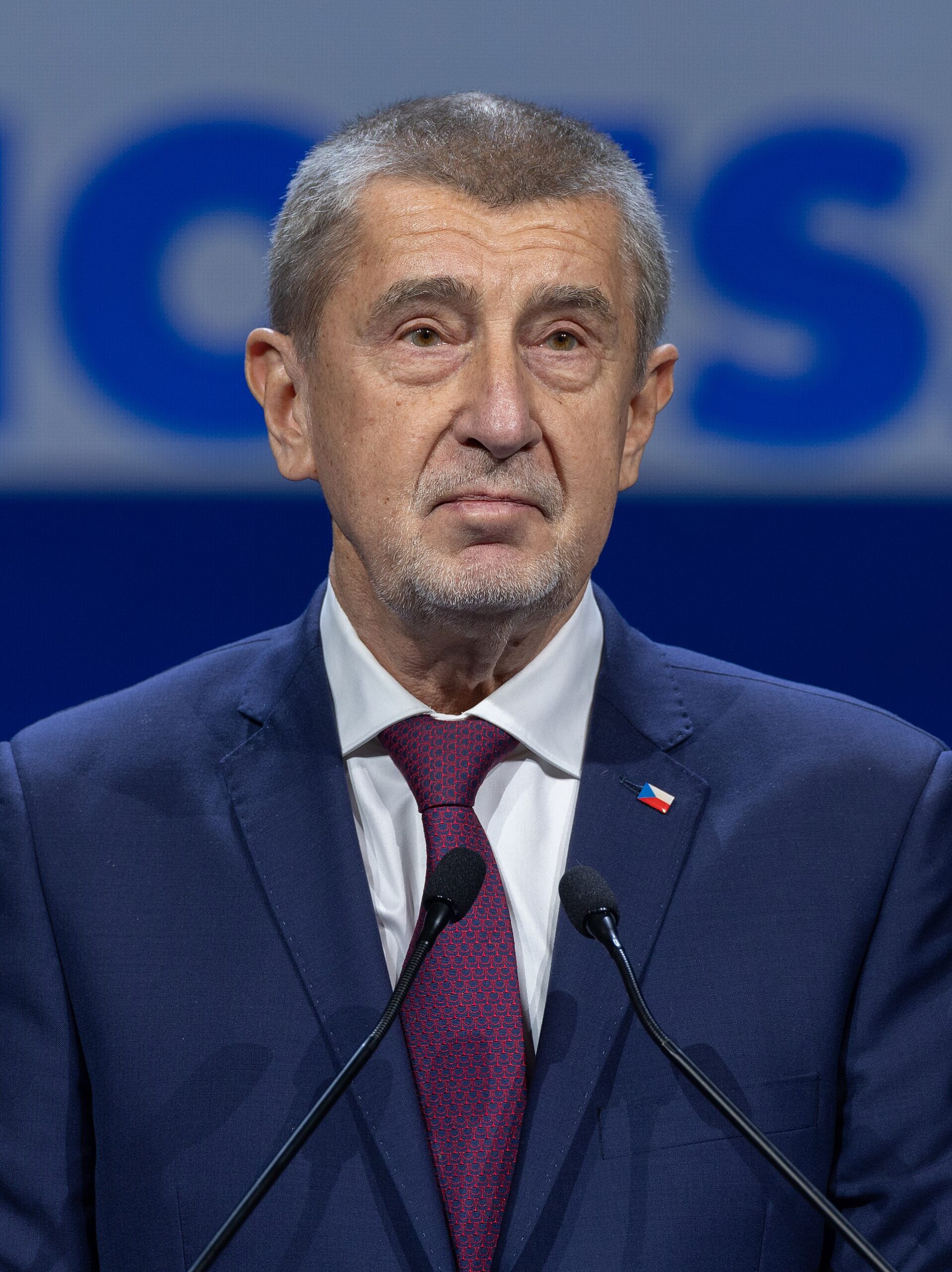
Czech Prime Minister Andrej Babis launched a sharp attack on the ETS and carbon taxes, blaming speculators for destroying Europe’s competitiveness. “Someone is making billions at the expense of the European industry, which is in decline and which of course has major problems,” Babis told reporters. He dismissed EU climate policies as “ideological stuff” that ignores economic realities, noting that carbon allowance prices have soared far beyond original forecasts, rewarding financial gamblers while punishing traditional manufacturing and ordinary citizens.
Babis and Italian Prime Minister Giorgia Meloni recently urged Brussels to provide immediate economic relief to struggling European factories. The Visegrad four—Hungary, Slovakia, Czech Republic, and Poland—backed by Italy and Greece, proposed delaying the new ETS2 until 2030, arguing that households and small businesses would face higher costs. They cited “price differences between the EU regions and EU countries are enormous,” particularly in Eastern Europe. However, the plan hit a wall late Thursday, with one EU diplomat saying the amendments “would never get the required unanimity.” Another noted there is little support for the proposal, which is why it was raised at the European Council rather than the Environment Council.
Leaders seek short-term flexibility
ETS2, a new carbon market set to cover fuels for road transport and buildings as of 2029, has already been delayed once over social impact concerns. The mechanism will inevitably increase energy bills despite attempts to regulate price spikes. EU leaders invited the Commission to examine further short-term interventions and urged lawmakers to accelerate work on the Market Stability Reserve, a mechanism governing the supply of allowances to limit price volatility.
Six countries succeeded in requesting an impact assessment to determine ETS2 design and safeguards, which the Commission will handle according to Council conclusions. A first EU diplomat noted that the current situation gives renewed urgency to the debate, with leaders sharing expectations amid ongoing legislative negotiations. The outcome leaves the bloc navigating a delicate balance between climate ambition and economic pressures.