Howard Defends Australia’s Post-9/11 Immigration Stance, Takes Aim at Nordic Critics
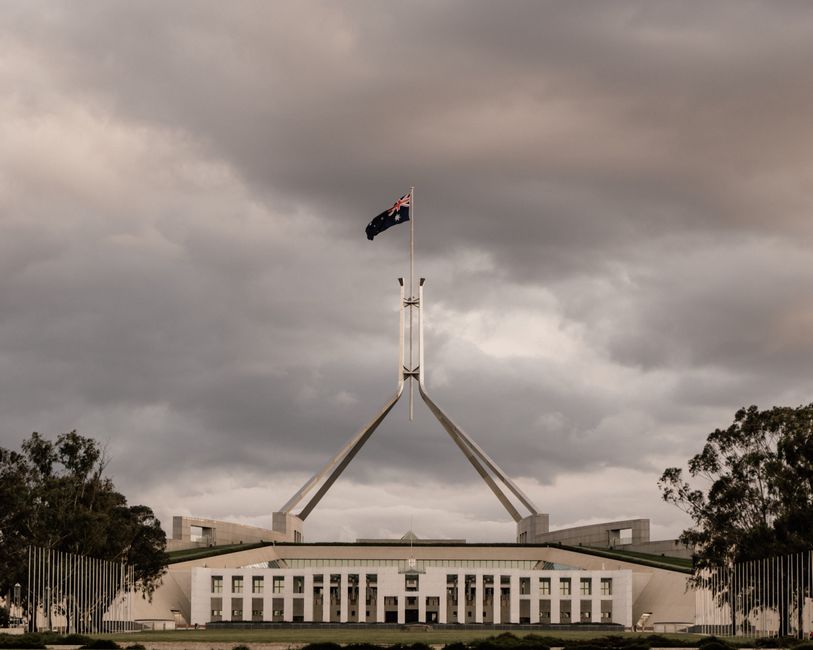
Former Australian Prime Minister John Howard has mounted a robust defence of his government’s hardline immigration and border control policies, dismissing criticism from Nordic nations as moralistic grandstanding and insisting that Australia had every right to chart its own course on asylum and migration in the years following the September 11 attacks.
In a wide-ranging interview with POLITICO, Howard reflected candidly on the decisions that defined his tenure, which stretched from 1996 to 2007, and which included some of the most contentious border management policies in Australian political history. He showed little sign of regret, framing his government’s approach as a pragmatic and sovereign response to genuine security concerns rather than the inhumane posture critics alleged at the time.
When pressed on the international condemnation that followed several of his administration’s immigration decisions, Howard was characteristically unapologetic. He made clear that reproach from certain European nations — particularly those in Scandinavia — carried little weight in Canberra’s deliberations. Australia, he argued, was not prepared to accept moral instruction from countries whose circumstances, he implied, bore little resemblance to Australia’s own geopolitical and demographic realities.
A Legacy Contested at Home and Abroad
Howard’s immigration legacy remains deeply polarising. His government introduced the so-called Pacific Solution, diverting asylum seekers arriving by boat to detention facilities on Pacific island nations rather than allowing them to make landfall on Australian soil. The policy drew fierce condemnation from human rights organisations and several United Nations bodies, who argued it violated Australia’s international obligations. Supporters, meanwhile, credited it with dismantling people-smuggling networks and restoring what they called orderly migration.
The former prime minister also addressed the broader geopolitical context of the post-9/11 era, in which Western governments faced mounting pressure to balance security imperatives with humanitarian commitments. Howard was a close ally of US President George W. Bush and British Prime Minister Tony Blair, and Australia joined the coalition that invaded Iraq in 2003 — a decision that continues to attract scrutiny. In the interview, he appeared to remain firm in his conviction that the threat environment at the time justified the measures his government adopted.
Howard’s comments arrive at a moment when immigration policy is once again commanding attention across Western democracies, including within Europe itself, where governments from Rome to Helsinki are wrestling with questions of border control, asylum processing, and integration. His remarks are likely to resonate with conservative politicians who argue that tougher migration frameworks are both legitimate and necessary, while drawing predictable pushback from those who see such approaches as incompatible with international humanitarian law.
Now in his mid-eighties, Howard remains an influential, if divisive, figure within Australian conservative politics and on the broader centre-right internationally. His willingness to speak bluntly about the tensions between national sovereignty and multilateral norms — and his pointed dismissal of what he views as performative virtue from smaller, wealthier nations — ensures that his interview will generate considerable discussion well beyond Australia’s shores. Whether his legacy is viewed as one of firm leadership or of moral failure continues to depend very much on where one stands.