NATO Jets Destroy Mystery Drone Over Romanian Territory Close to Moldovan Border
A Romanian military incident has raised fresh security concerns along NATO’s eastern flank after alliance fighter jets intercepted and destroyed an unidentified drone flying over Romanian airspace close to the country’s border with Moldova. The Romanian defence minister confirmed the operation took place on Sunday, marking one of the more significant aerial intercept actions carried out in the region since tensions in the area escalated following Russia’s full-scale invasion of Ukraine.
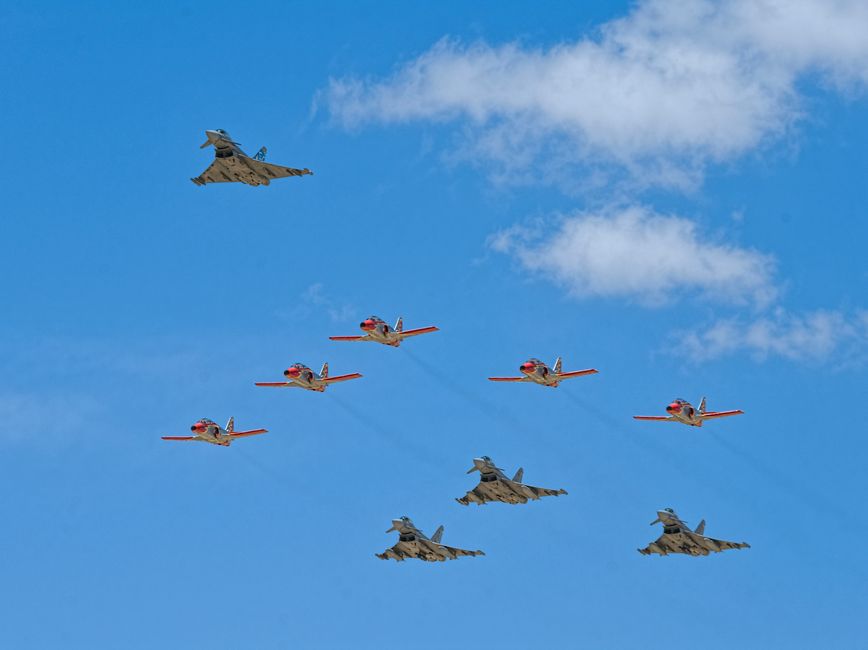
According to officials, two Spanish F-18 aircraft currently deployed in Romania as part of a NATO air policing mission were scrambled to intercept the drone after it was detected in restricted airspace. The jets successfully engaged and destroyed the uncrewed aircraft, with the Romanian defence minister, Radu Miruta, publicly confirming the incident. No further details about the drone’s origin or intended flight path were immediately made available by authorities.
Eastern Flank Security Under Scrutiny
The interception underscores the heightened vigilance NATO member states have maintained across their eastern territories since the war in Ukraine began. Romania, which shares a lengthy border with Ukraine to the north and a river boundary with Moldova to the east, has repeatedly found itself in proximity to aerial incidents linked, directly or indirectly, to the ongoing conflict. On previous occasions, drone wreckage and debris consistent with munitions used in the war have been discovered on or near Romanian soil, prompting both national and alliance-level investigations.
Moldova, which borders the region where Sunday’s incident took place, is not a NATO member, though the small republic has faced its own security pressures stemming from the war in neighbouring Ukraine. The proximity of the intercept to the Moldovan border is likely to attract attention from regional security analysts, even as officials have stopped short of drawing any direct connection to ongoing hostilities further east.
Spain has been one of several NATO allies contributing aircraft and personnel to Romania under the alliance’s Enhanced Air Policing framework, a programme that was significantly expanded following Russia’s invasion of Ukraine in February 2022. Under this arrangement, allied air forces rotate through host nations to bolster their defensive capabilities and deter potential aerial incursions. Sunday’s incident represents a rare case in which those assets were actively deployed in an intercept operation rather than a purely precautionary capacity.
Romanian authorities have not confirmed whether the destroyed drone posed a deliberate threat or whether its presence over Romanian territory was the result of navigational error, technical malfunction, or some other cause. Investigations are understood to be ongoing, according to reports, and further detail is expected to be released once the wreckage has been located and examined.
The incident is likely to prompt discussion among NATO defence ministers about the adequacy of current air surveillance measures along the alliance’s eastern borders, particularly as drone technology continues to proliferate and the conflict in Ukraine generates an elevated volume of aerial activity in the broader region. For Romania, a country that has found itself increasingly at the sharp edge of European security concerns in recent years, Sunday’s interception serves as another stark reminder of the volatile environment that now defines life on NATO’s eastern frontier.