Baltic Oil Discovery Stirs Hope in Poland and Alarm in Germany
A major hydrocarbon deposit discovered beneath the Baltic Sea close to the Polish-German maritime boundary is rapidly becoming one of Europe’s most politically charged energy stories. A Canadian exploration company identified the field in 2025, and according to reports it represents the largest offshore oil and gas find in the region since the Second World War, raising immediate questions about who benefits, who decides, and at what environmental cost.
Polish authorities have responded with evident enthusiasm. Warsaw has signalled its desire to move toward drilling operations, viewing the discovery as a potential boon for national energy security at a time when European governments are still navigating the fallout from disrupted Russian gas supplies. For Poland, which has long sought to diversify its energy mix, a domestically controlled offshore resource carries obvious strategic appeal, and officials have indicated they intend to press forward with development plans.
Berlin Raises Environmental and Economic Objections
Germany’s reaction has been markedly cooler. Berlin has raised concerns centred on the environmental risks that large-scale offshore drilling could pose to the Baltic Sea ecosystem, a body of water already under considerable ecological stress from agricultural runoff, overfishing and rising temperatures. German officials and regional authorities have also pointed to the potential threat to the tourism economies along the Baltic coastline, where beaches and seaside resorts represent a significant source of regional income. The proximity of the field to shared or contested maritime zones gives Germany a legal as well as political basis to contest or at least complicate any unilateral Polish drilling push.
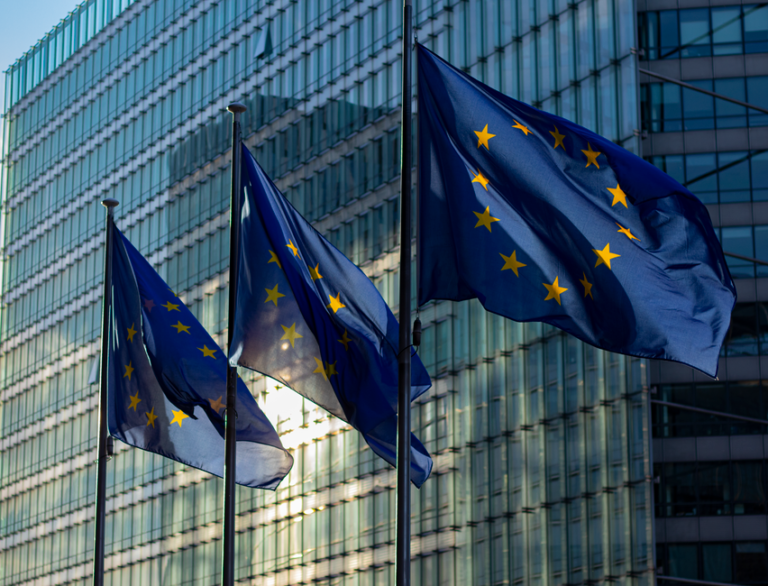
The disagreement highlights a broader tension within the European Union between member states’ rights to exploit natural resources within their sovereign territory or exclusive economic zones and the collective environmental obligations that EU membership entails. Under European law, large industrial projects with potential cross-border environmental impact are generally subject to transboundary assessment procedures, which could give Germany formal standing to delay or challenge development.
Energy analysts have noted that the timing is significant. Europe is still recalibrating its energy policy in the wake of the Russian invasion of Ukraine, and the political appetite for new domestic fossil fuel sources remains stronger in Central and Eastern Europe than in the west of the continent. Poland has been among the most vocal advocates for maintaining flexibility in the energy transition, arguing that energy security and affordability must accompany decarbonisation efforts.
Environmental groups are expected to mount opposition regardless of which government takes the lead. The Baltic Sea is classified as a particularly sensitive sea area by the International Maritime Organisation, and campaigners argue that any new drilling infrastructure poses unacceptable risks of spills or habitat destruction in an already fragile marine environment.
Diplomatic efforts to resolve the dispute are likely to unfold through a combination of bilateral Polish-German dialogue and EU-level processes. Brussels could yet find itself drawn into a mediating role, particularly if either side seeks to invoke environmental impact assessment frameworks under EU directives. How the bloc navigates the conflict between a member state’s energy ambitions and another’s environmental objections may set a precedent for similar offshore disputes elsewhere in European waters. For now, the field beneath the Baltic remains undisturbed, its future caught between competing visions of what European energy policy should look like in the years ahead.