Europe’s Wildfire Response Machinery: Powerful but Not Powerful Enough
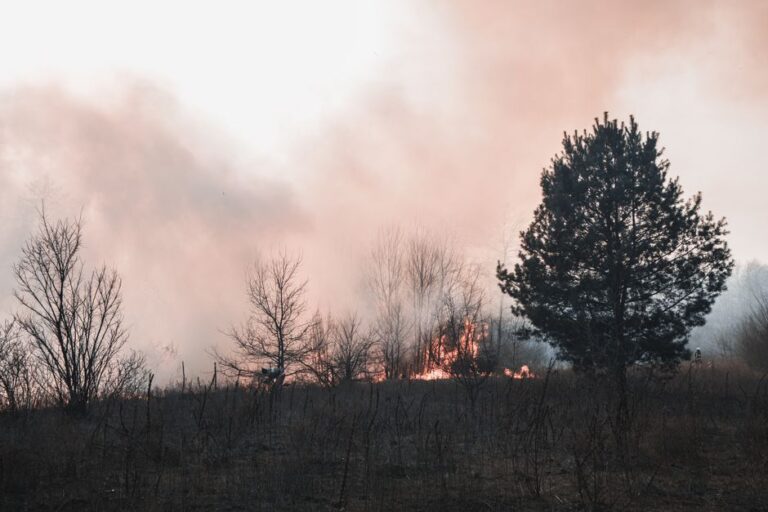
As wildfires increasingly tear through forests and farmland across the European continent, the bloc’s emergency management architecture is being put under unprecedented strain — revealing a fundamental tension between the EU’s growing capacity to fight fires and its slower progress in preventing them from spreading in the first place.
The European Union has invested significantly in cross-border firefighting coordination over the past decade. At the heart of this effort sits the EU Civil Protection Mechanism, a framework that allows member states to pool resources and request assistance from one another during emergencies. Complementing this is rescEU, an operational reserve of aircraft, firefighting teams and equipment that can be rapidly deployed when national resources are overwhelmed. According to reports, the rescEU aerial fleet has expanded in recent years to include a growing number of firefighting planes and helicopters pre-positioned across the continent during peak wildfire season.
The system has demonstrated genuine value. When Portugal, Greece and Spain have faced simultaneous outbreaks — a scenario that has become disturbingly routine during summer months — the mechanism has allowed for coordinated asset-sharing that would have been logistically impossible under purely bilateral arrangements. Officials have credited the framework with saving lives and limiting property damage in several high-profile emergencies.
Prevention Lags Behind Response
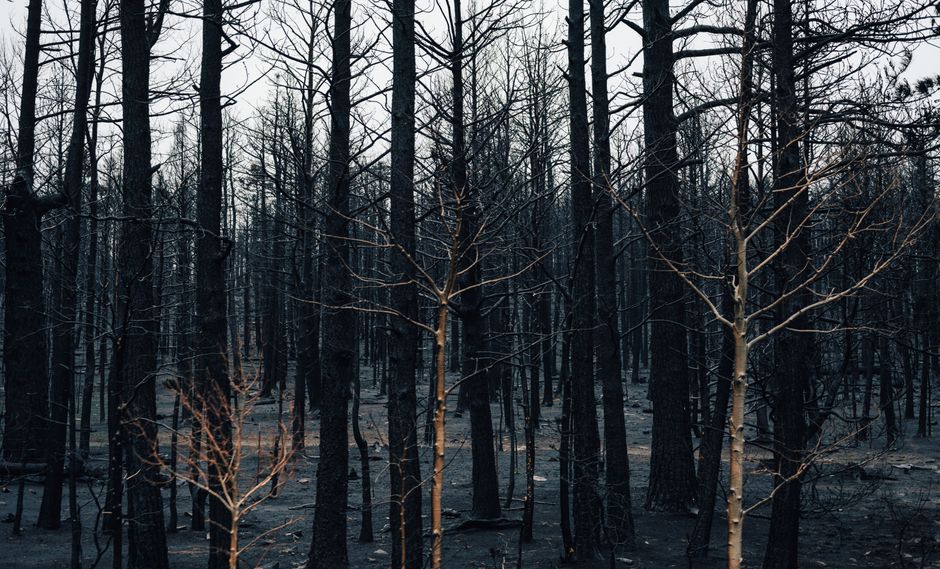
Yet analysts and policymakers are increasingly pointing to a structural imbalance in the EU’s overall strategy. While the response side of the equation has received sustained political attention and funding, efforts to reduce the underlying flammability of European landscapes have advanced far more slowly. Forest management practices, land abandonment in rural areas, and the spread of invasive dry vegetation are widely cited as factors that make fires both more likely and more severe once ignited.
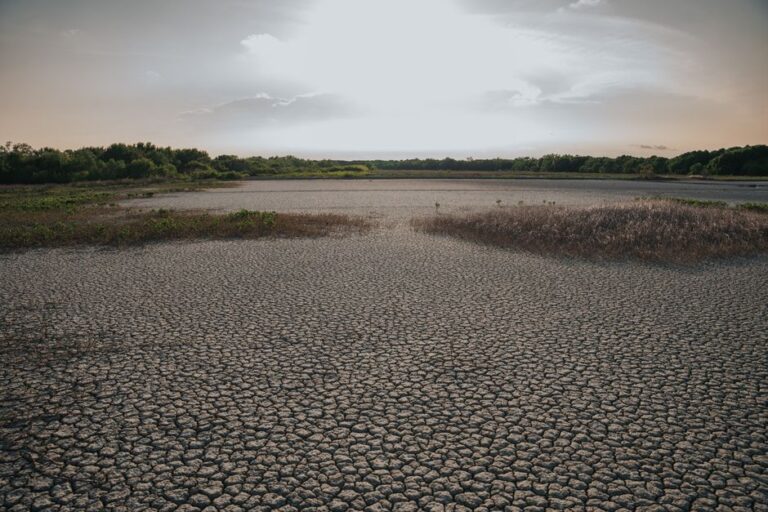
The challenge is compounded by climate change, which is extending fire seasons, reducing moisture in soils and vegetation, and pushing wildfire risk into regions of central and northern Europe that were historically far less exposed. According to reports, projections suggest this trend will intensify over coming decades, placing further demands on response systems that are already operating near capacity during major fire years.
Funding remains a persistent concern. The rescEU reserve, while expanded, is still considered insufficient relative to the scale of simultaneous crises that have been observed in recent summers. Member states retain primary responsibility for their own firefighting infrastructure, and capacity varies significantly across the bloc. Countries with more limited resources and higher fire exposure face a structural disadvantage that EU-level mechanisms only partially offset.
There are also questions about how effectively early warning and monitoring tools are being translated into preventive action. The European Forest Fire Information System provides near-real-time data on fire danger, detection and burned area across the continent. However, converting that data into coordinated land management policies — which touch on agricultural subsidies, rural development and forestry regulation — requires a level of cross-sectoral political integration that has proved difficult to achieve.
The broader picture is one of an institution that has made meaningful progress in building a collective emergency response but has yet to match that ambition with equivalent investment in the slower, less visible work of fireproofing European landscapes. With another potentially severe fire season approaching, pressure is growing on European institutions and member states alike to move beyond reactive measures and address the root conditions that allow fires to become catastrophes.