EU Puts Turkey on Notice Over Plastic Waste Management Failures
The European Union has issued a stark warning to Turkey, threatening to suspend plastic waste exports unless Ankara takes decisive action to address what officials have described as serious and ongoing environmental violations in the country’s waste treatment sector. The move signals a significant escalation in Brussels’ efforts to enforce environmental standards across its trading relationships.
Turkey has emerged as the European Union’s largest single destination for plastic waste exports, receiving substantial volumes of discarded material from member states each year. However, according to reports, inspections and monitoring have revealed deep-rooted problems with how that waste is ultimately processed, stored, and disposed of once it arrives — raising acute concerns about pollution of soil, waterways, and local communities.
EU officials indicated that the bloc is prepared to invoke trade restrictions if Turkey fails to demonstrate credible improvements within an established timeframe. Such a suspension would represent an unprecedented step in the relationship between Brussels and Ankara on environmental matters, and would carry considerable economic consequences for the cross-border recycling and waste management industries on both sides.
Pressure Mounts on Waste Export Destinations
The warning to Turkey forms part of a broader tightening of EU rules governing the export of plastic waste to non-member countries. The bloc has in recent years moved to restrict shipments to destinations where regulatory oversight is deemed insufficient to prevent environmental harm. Under updated regulations, the EU requires that recipient countries demonstrate comparable standards of environmental protection before trade in plastic waste can continue unimpeded.
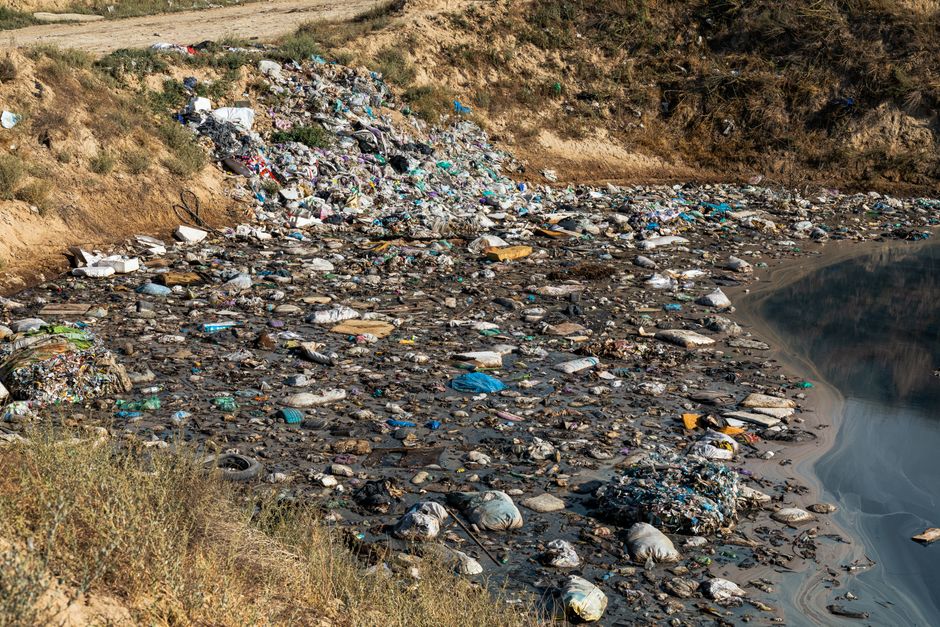
Environmental campaigners have long argued that exporting waste to countries with weaker enforcement frameworks amounts to little more than displacing pollution rather than solving it. Reports from advocacy groups and investigative journalists have documented cases in Turkey where imported plastic has ended up burned in open fields or dumped illegally, contributing to air and water contamination in affected regions.
Turkish authorities have previously acknowledged challenges within the country’s waste management infrastructure and have announced reform programmes aimed at expanding recycling capacity and tightening oversight of processing facilities. However, according to reports, the pace of implementation has fallen short of what EU counterparts consider acceptable, prompting the current ultimatum.
The potential trade suspension carries implications beyond the immediate environmental dispute. Turkey and the European Union maintain a longstanding customs union arrangement, and the two sides have periodically explored its modernisation and expansion. A punitive measure targeting waste trade could inject fresh tension into an already complicated relationship, though officials on both sides are likely to prefer a negotiated resolution that avoids outright disruption to established supply chains. For the EU, the episode also underscores growing pressure on member states to reduce overall plastic waste generation rather than relying on export markets as a long-term disposal solution.