Wildfire Crisis Eases in Spain and France as Evacuees Begin Returning Home
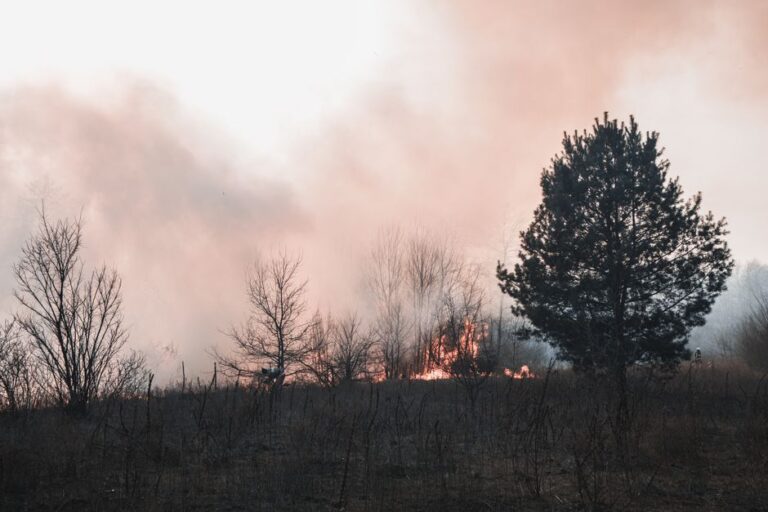
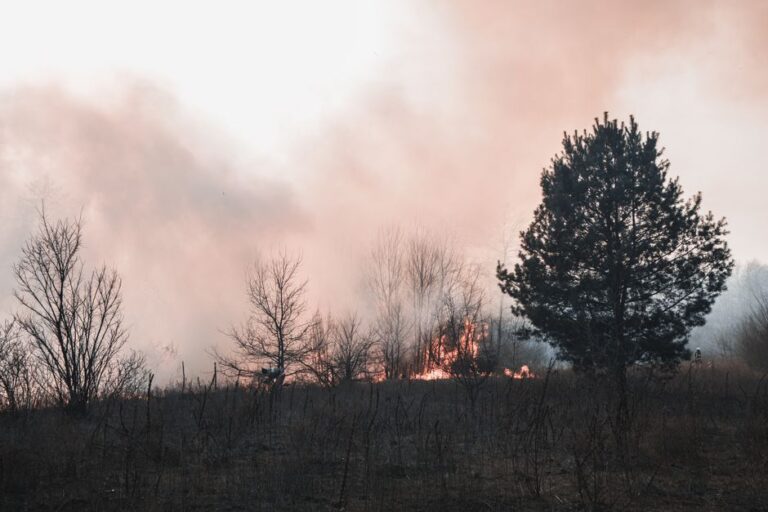
Tens of thousands of residents displaced by devastating wildfires in Spain and France have begun returning to their homes as firefighting crews managed to bring the blazes increasingly under control, though authorities have urged continued caution as a persistent heatwave continues to pose a significant risk of renewed outbreaks across the region.
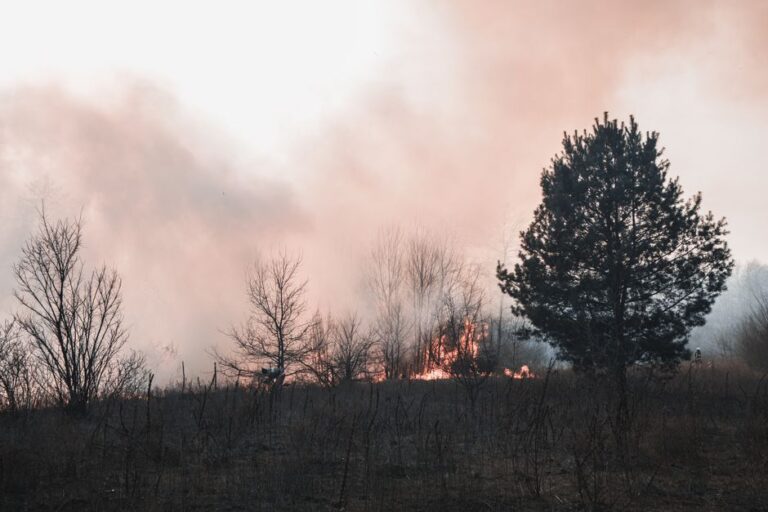
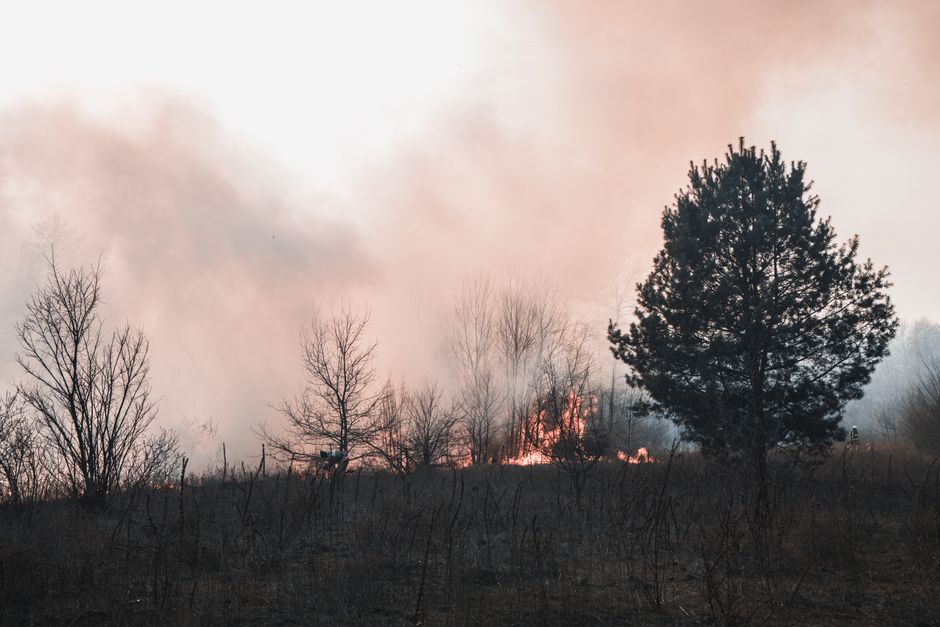
The fires, which tore through vast stretches of woodland and rural communities in both countries over recent days, are being described as among the most destructive in recent memory for either nation. Emergency services were stretched to their limits as multiple fronts burned simultaneously, forcing the evacuation of entire villages and temporarily overwhelming local response capacity.
In Spain, regional authorities confirmed that a number of evacuation orders had been lifted following progress by ground teams and aerial firefighting units, allowing residents who had been sheltering in temporary accommodation to begin the journey back to their properties. Officials cautioned, however, that assessments of structural damage and land safety were ongoing and that not all affected areas had received clearance.
Conditions Remain Volatile Amid Persistent Heat
The situation across southern France followed a broadly similar trajectory, with reports indicating that the most acute phases of several major fires had passed. French emergency services said water-bombing aircraft had played a critical role in preventing further spread into populated zones, and that reinforced ground crews had successfully established containment lines around the worst-affected areas. Nevertheless, officials in both countries stopped short of declaring the crisis fully resolved, pointing to the ongoing heatwave gripping large parts of western Europe as a factor that could rapidly change conditions on the ground.
Meteorologists have warned that the combination of high temperatures, low humidity and dry vegetation across the Iberian Peninsula and parts of southern France means the fire risk remains elevated for the foreseeable future. According to reports, some areas have recorded temperatures well above seasonal averages for an extended period, creating the kind of tinder-dry environment that allows fires to ignite and spread with alarming speed.
The scale of the destruction has prompted renewed debate among environmental campaigners and policymakers about the long-term consequences of climate change for fire risk in Europe. Scientists have for years warned that rising temperatures and shifting precipitation patterns would make extreme wildfire seasons more frequent and more intense across Mediterranean and southern European regions. This summer’s events, coming on the back of several other record-breaking fire years, are likely to intensify pressure on governments to invest in preventive measures, improved early warning systems, and longer-term land management strategies.
The human and ecological toll of the fires remains under assessment, with large expanses of forest and agricultural land confirmed as having been reduced to ash. According to reports, a number of properties were also lost or damaged, and local economies dependent on tourism and agriculture face a difficult recovery period in the weeks and months ahead. Civil protection agencies in both countries said they would maintain heightened readiness for the remainder of the summer season, with resources pre-positioned to respond quickly to any new outbreaks. Residents in fire-prone zones have been advised to stay informed and to follow official guidance closely as conditions continue to evolve.