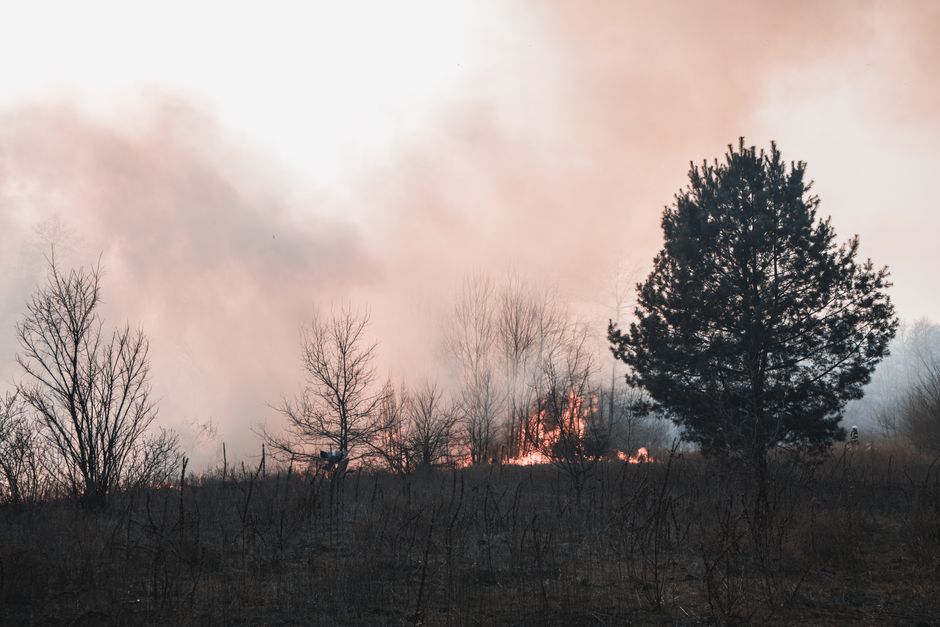
Southern Europe Battles Surging Wildfire Crisis as Temperatures Climb
A relentless wave of wildfires is tearing through southern Europe, with Spain and France bearing the brunt of blazes that have consumed vast stretches of forest, reduced homes to ash, and forced tens of thousands of residents to flee their communities. Authorities across the region are warning that conditions could deteriorate further as a new surge of intense heat bears down on the continent.
The fires have spread with alarming speed, driven by a combination of prolonged drought, low humidity, and strong seasonal winds that have made containment efforts exceptionally difficult for firefighters on the ground and in the air. Emergency services have been stretched to their limits, with aerial water-bombing operations running around the clock in the worst-affected areas. According to reports, entire villages have been encircled by flames, leaving residents with little choice but to abandon their properties at short notice.
In France, fires have ravaged areas of the southwest, a region that has in recent years become increasingly vulnerable to summer fire seasons that experts describe as growing longer and more destructive. Spanish authorities have similarly declared emergencies in multiple regions, with officials said to be coordinating national and regional resources to slow the advance of fires threatening both rural communities and ecologically sensitive zones.
A Widening Threat Across the Mediterranean
Meteorologists tracking the evolving weather pattern have cautioned that other southern European nations, including Portugal, Italy, and Greece, face elevated risk in the days ahead as temperatures are expected to remain well above seasonal averages. Greece, which suffered catastrophic fires in recent years, has placed its civil protection services on heightened alert, according to reports. The pattern is consistent with what climate scientists have long forecast: a Mediterranean basin growing hotter and drier, creating conditions in which wildfires ignite more easily and spread more aggressively.
The European Union’s emergency response mechanism has been activated, with member states offering to share firefighting aircraft, personnel, and equipment under the bloc’s Civil Protection Pool. Brussels has signalled its readiness to coordinate additional support should national capacities prove insufficient, officials indicated. The cross-border nature of the crisis has underscored both the practical value of European solidarity mechanisms and the scale of the challenge that the continent faces each summer.
Beyond the immediate humanitarian toll, the fires are inflicting serious long-term damage on ecosystems that take decades to recover. Forests that serve as critical carbon sinks are being destroyed, undermining European climate commitments at a time when the continent is already struggling to meet its emissions reduction targets. Environmental advocates have used the crisis to renew calls for stronger preventive measures, including better land management, stricter building regulations in fire-prone zones, and accelerated investment in early-warning systems.
For the communities directly in the path of the flames, however, longer-term policy debates are secondary to the immediate reality of displacement and loss. Evacuation centres across the affected regions are reported to be operating at capacity, with local authorities appealing for additional support to house and feed those who have lost access to their homes. As Europe contends with what is shaping up to be one of its most severe wildfire seasons in recent memory, the question of how the continent prepares for summers yet to come is becoming ever harder to defer.