Former Water Company Chief Faces Criminal Charges Over Alleged Sampling Fraud
A former chief executive of a British water company has been charged with criminal offences related to the alleged manipulation of wastewater testing procedures, in what authorities are describing as a serious breach of environmental regulations. The case marks one of the most significant prosecutions of a senior water industry executive in recent UK history.
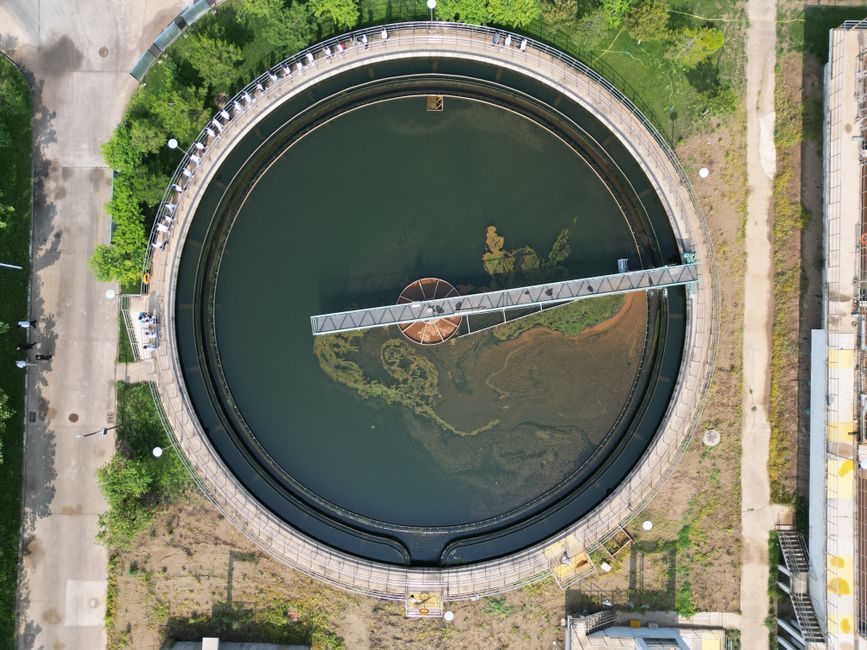
The individual, identified in reports as Wright, is accused of deliberately interfering with wastewater flows at moments when regulatory sampling was taking place — an act that, if proven, would constitute an intentional effort to deceive environmental inspectors and misrepresent the true quality of sewage discharges entering public waterways.
Under existing UK legislation, the deliberate alteration of wastewater flows during official regulatory inspections is classified as a criminal offence. Prosecutors have indicated that, should Wright be found guilty, the charges carry a maximum custodial sentence of ten years in prison, reflecting the gravity with which lawmakers have sought to treat deliberate environmental misconduct.
Scrutiny Intensifies on Water Industry Oversight
The case arrives at a moment of heightened public and political scrutiny of Britain’s privatised water sector. In recent years, water companies across England and Wales have faced mounting criticism over the volume of raw or undertreated sewage discharged into rivers, lakes and coastal waters, prompting widespread calls for stronger enforcement action and greater corporate accountability. Campaigners and environmental groups have long argued that regulatory penalties imposed on water companies have historically been insufficient to deter non-compliance.
According to reports, the alleged conduct at the centre of the charges was not a passive failure of systems or infrastructure, but an active and deliberate attempt to game the monitoring process — a distinction that prosecutors are expected to emphasise in any forthcoming trial. Regulators have the power to conduct unannounced sampling inspections, and the integrity of those processes is considered fundamental to the enforcement framework underpinning environmental protection law.
Officials have not specified which company Wright formerly led, nor have they disclosed the full timeline of the alleged offences, though reports suggest the investigation has been under way for a considerable period. The charging decision itself signals that investigators believe there is sufficient evidence to bring the matter before a court, a threshold that requires prosecutors to be satisfied that a conviction is both realistic and in the public interest.
Environmental law specialists have noted that criminal prosecutions targeting individuals at the executive level — rather than simply levying fines against corporate entities — represent a meaningful shift in how regulators and prosecutors approach accountability in the water sector. Critics of the industry have welcomed the development, arguing that personal criminal liability for senior managers could serve as a stronger deterrent than institutional penalties alone.
The case is expected to draw close attention from policymakers across the United Kingdom and potentially from European counterparts, given ongoing debates about how best to enforce environmental standards in sectors where public health and ecological integrity are directly at stake. No trial date has been confirmed at this stage, and Wright has not yet entered a formal plea, according to available reports. The presumption of innocence applies unless and until any verdict is reached.