June Marked the Deadliest Month for Ukrainian Civilians in More Than Four Years, UN Reports
United Nations monitors have concluded that June was the most lethal month for Ukrainian civilians since Russia launched its full-scale invasion in February 2022, underscoring the intensifying toll the war continues to exact on the country’s non-combatant population more than two years into the conflict.
The findings, released by UN human rights officials tracking casualties across Ukraine, point to a sharp deterioration in civilian protection during a period that had already seen sustained pressure along multiple front lines. The data reflects verified deaths and injuries, meaning the actual figures are likely to be considerably higher once unconfirmed cases are factored in.
Since the invasion began, UN monitors have recorded a total of 16,431 verified civilian deaths, a figure that includes 803 children. The numbers represent only those cases that officials have been able to independently corroborate, and the organisation has consistently cautioned that the true scale of civilian suffering almost certainly exceeds what can be formally documented amid ongoing hostilities.
Mounting Pressure on Civilian Infrastructure
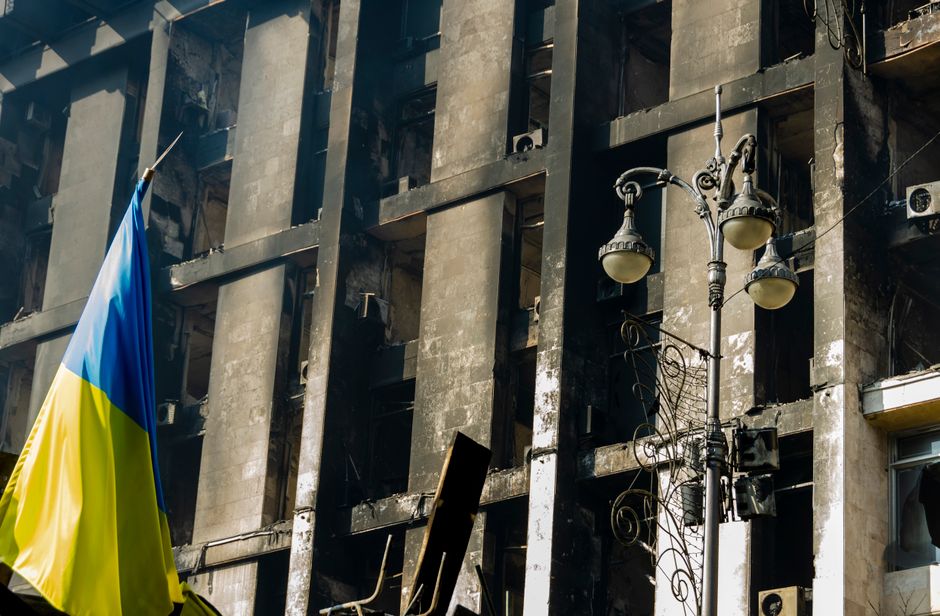
The spike recorded in June has been attributed in part to intensified Russian strikes on populated areas, including attacks on residential neighbourhoods, markets, and critical infrastructure. UN monitors have repeatedly noted that strikes on civilian targets — whether deliberate or indiscriminate — constitute potential violations of international humanitarian law, and have called on all parties to the conflict to uphold their obligations under the laws of war. The burden of those violations, however, has fallen overwhelmingly on the Ukrainian side of the front line.
The findings arrive as diplomatic efforts to bring about a ceasefire or negotiated settlement remain stalled. Various international actors, including several European governments and neutral intermediaries, have floated frameworks for de-escalation, but no substantive progress has been made toward halting the fighting. In the absence of a political resolution, civilian casualties have continued to accumulate at a grim pace.
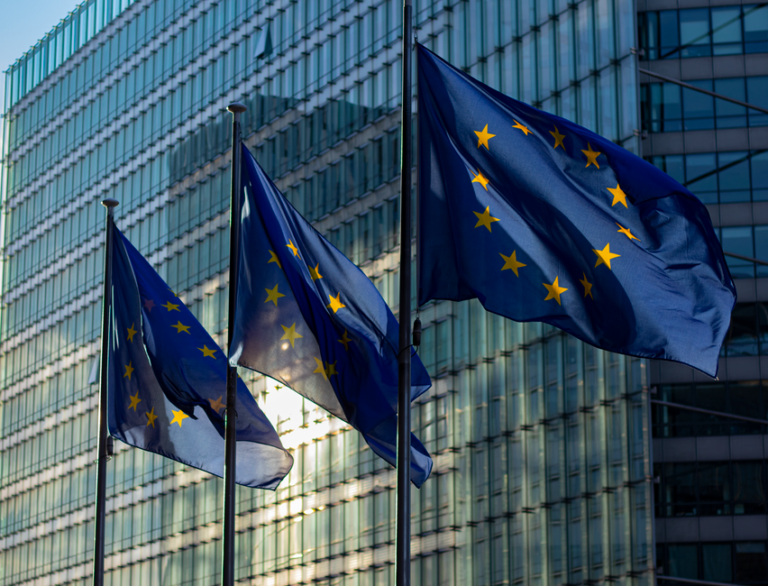
For European policymakers, the UN data adds fresh urgency to debates over continued military and humanitarian support for Kyiv. Several EU member states have recently reaffirmed pledges to sustain aid packages, while the bloc as a whole has been working to expand its defence industrial capacity in response to the prolonged conflict. The human cost documented by UN monitors is frequently cited by officials in Brussels and member state capitals as justification for maintaining pressure on Moscow through sanctions and other measures.
Humanitarian organisations operating inside Ukraine have described conditions in frontline regions as increasingly dire, with evacuation routes under pressure, access for aid workers restricted in certain areas, and essential services degraded by repeated strikes. The situation for civilians caught in or near active combat zones has drawn particular concern, with some communities effectively cut off from regular assistance.
The UN’s monitoring mission has maintained a continuous presence in Ukraine since before the 2022 invasion and is regarded as among the most authoritative sources of casualty data for the conflict. Officials have stressed that their methodology is conservative by design, and that the verified totals should be understood as a floor rather than a ceiling. With no end to the fighting in sight, advocates and international bodies have renewed calls for accountability mechanisms to address the documented harm to civilian lives.