Europe’s Energy Chiefs Push for Cheaper Electricity to Break Fossil Fuel Dependency
Senior energy officials across Europe are calling for a fundamental shift in the continent’s power infrastructure, arguing that making electricity genuinely cheaper than fossil fuels is no longer just an environmental ambition — it is an economic and security imperative. The message from top-level energy leaders is clear: expand the grids, generate more clean electricity, and accelerate the phase-out of imported fossil fuels.
The push comes against a backdrop of continued European vulnerability to global energy price shocks, a lesson painfully reinforced by the energy crisis that followed Russia’s full-scale invasion of Ukraine in 2022. Despite significant progress in renewable deployment and emergency demand reduction measures, European households and industries still rely heavily on natural gas and oil, much of it sourced from politically volatile regions.
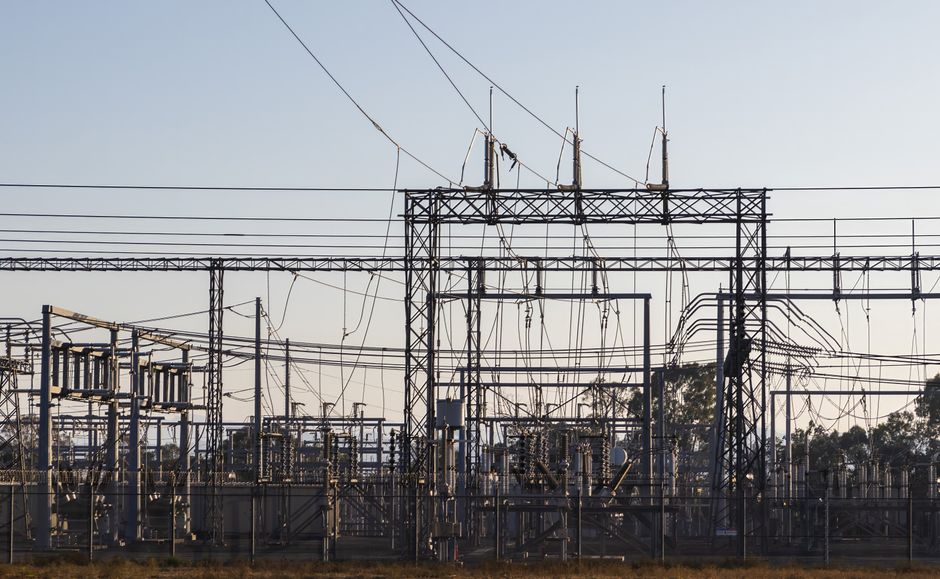
According to reports from senior energy officials, the strategic priority now lies in two interconnected areas: scaling up electricity generation from renewable sources and, critically, modernising and expanding the transmission and distribution networks that carry that power to consumers. Without sufficient grid capacity, even abundant clean energy cannot reach the homes and factories that need it.
Grid Investment Seen as the Crucial Bottleneck
Energy leaders have increasingly identified grid infrastructure as the central chokepoint in Europe’s clean energy transition. Renewable generation capacity has grown rapidly in recent years, driven by falling costs for wind and solar technology, but network infrastructure has lagged behind. Officials argue that unless investment in grids keeps pace with generation, the transition will stall — leaving clean electricity stranded and consumers continuing to pay prices linked to expensive fossil fuel markets.
The economic logic underpinning the argument is straightforward. Europe currently prices much of its electricity against the marginal cost of gas-fired generation, meaning that even when wind and solar are producing abundantly and cheaply, wholesale electricity prices remain tied to the cost of natural gas. Breaking that link, officials say, requires both more renewables and the grid connections necessary to make them dominant in the energy mix.
Beyond economics, the security dimension is equally pressing. European dependence on imported fossil fuels transfers significant political and financial leverage to supplier nations. Domestically generated renewable electricity, by contrast, is insulated from geopolitical disruptions and currency fluctuations in global commodity markets. Officials have framed the transition not merely as a climate measure but as a long-term investment in strategic autonomy.
The European Union has already set ambitious targets under its REPowerEU plan and the broader Green Deal framework, aiming to sharply reduce fossil fuel imports and expand renewable capacity by the end of the decade. However, energy experts and officials alike have warned that the pace of grid permitting and construction remains a significant obstacle, with bureaucratic delays and cross-border coordination challenges slowing progress in several member states.
The renewed emphasis from energy leaders on grid expansion and electricity affordability signals a growing consensus that the next phase of Europe’s energy transition must be as much about infrastructure and market design as it is about building new wind farms and solar parks. Whether governments and investors respond with the urgency officials are demanding remains the defining question for European energy policy in the years ahead.