EU Parliament Votes on Foreign Investment Screening, Returns to Question Time
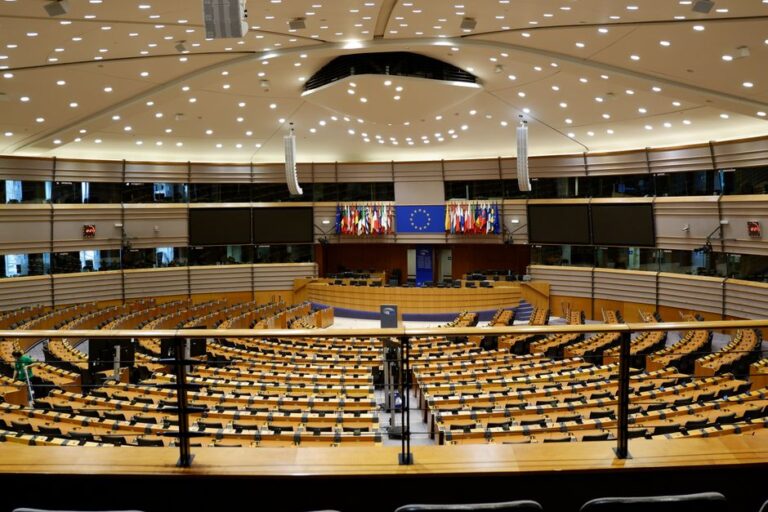
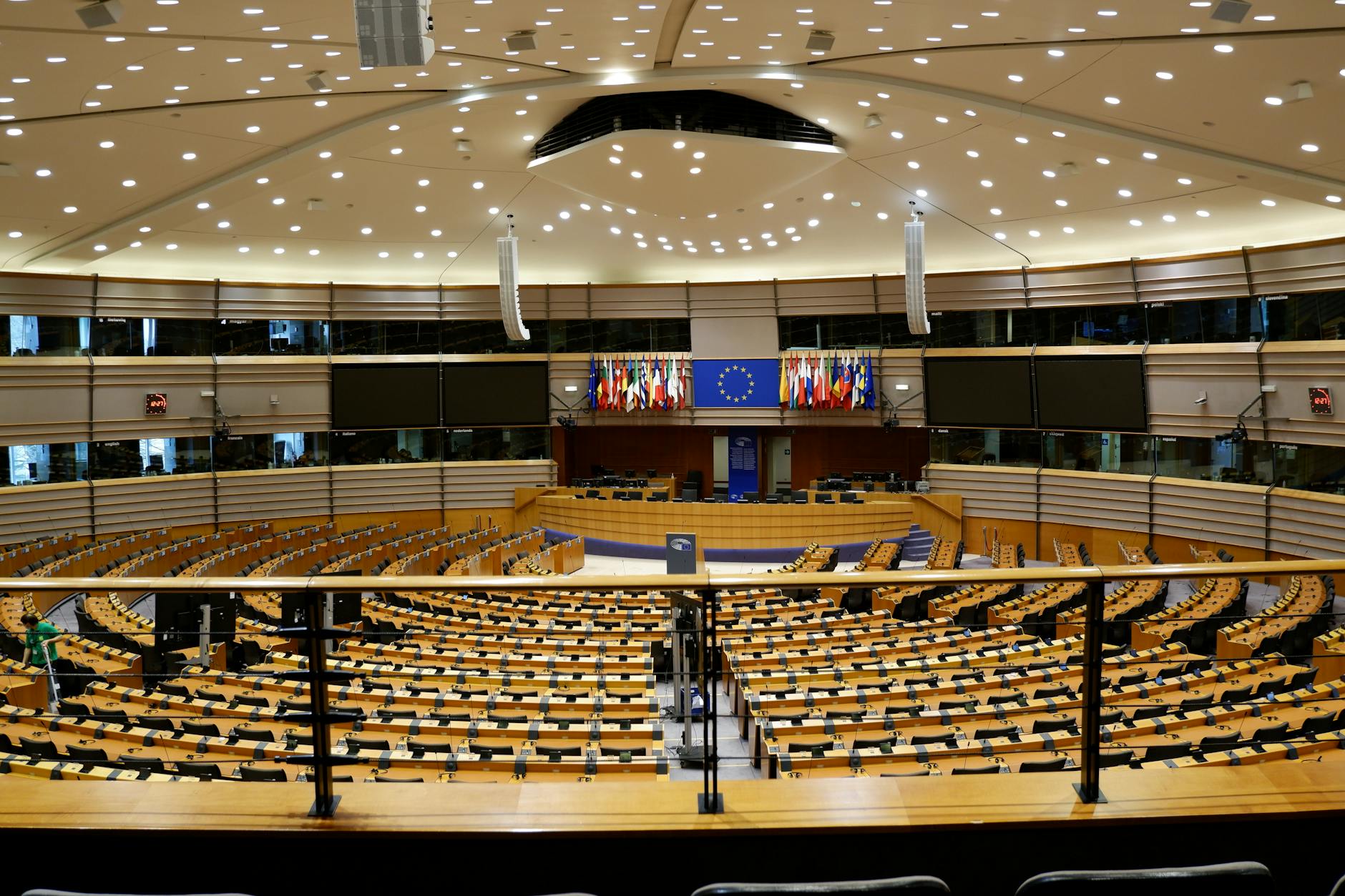
Members of the European Parliament concluded their May plenary session in Strasbourg this week with a final vote on the regulation strengthening the screening of foreign investments in EU strategic sectors. The four-day session, which ran from 18 to 21 May 2026, was attended by Cyprus European Affairs Deputy Minister Marilena Raouna, representing the Council under the Cyprus Presidency, and saw the return of plenary Question Time after an extended pause.
Foreign investment screening: a strategic milestone
The final plenary vote on the revised foreign investment screening regulation closes a legislative file that has occupied the Parliament for more than two years. The new rules tighten the conditions under which Member States must notify and review investments from non-EU buyers in sectors deemed strategic for European economic security, including semiconductors, biotechnology, critical raw materials, advanced AI and dual-use technologies.
The regulation responds to a series of high-profile acquisitions over the past decade in which strategic European assets passed into the hands of state-linked investors from third countries, often with limited scrutiny. The Cyprus Presidency, which assumed the Council’s rotating leadership on 1 January 2026, has prioritised the file’s adoption before the summer recess.
Question Time returns with Kaja Kallas
For the first time after an extended pause, plenary Question Time returned to the Parliament’s agenda this week. High Representative for Foreign Affairs and Security Policy Kaja Kallas was due to respond to Members’ questions on the European Union’s strategy to address the current crises in the Middle East. The format allows individual MEPs to put short oral questions directly to a member of the executive, with a follow-up exchange permitted on each.
The session also included a debate, requested by Renew Europe, on the need for an urgent EU response to advanced artificial intelligence systems in the interest of European cybersecurity. The political group has called for full implementation of the NIS2 cybersecurity directive and a reduction in European dependence on non-European cloud infrastructure and frontier semiconductors.
The European Order of Merit ceremony
The Strasbourg session also marked the inaugural ceremony for the European Order of Merit, an honour initiated by the Parliament in 2025 to recognise contributions to European integration and the promotion of European values. The twenty laureates of this year’s award, announced by President Roberta Metsola in March, include former German Chancellor Angela Merkel, former Solidarność leader and Polish President Lech Wałęsa, and Ukrainian President Volodymyr Zelenskyy. They became Distinguished Members of the European Order of Merit at the ceremony on Tuesday.
What comes next
Other items on the Strasbourg agenda included an updated EU common system for the return of third-country nationals without right to stay, the steel safeguards review, fertilizer policy, online video games rules and the EU’s response to the cybercrime threat. Parliament and Council negotiators are working in parallel to finalise the migration return regulation, while the Commission will table its Tech Sovereignty package on 27 May to set the regulatory framework for the next phase of European technological autonomy.
Sources: European Parliament; Council of the European Union; EU Business EU Agenda 18-23 May 2026; Renew Europe Plenary Priorities; Cyprus Mail; EPThinkTank.