Trump rejects Iran’s counter-proposal as ‘garbage’, ceasefire on life support
US President Donald Trump publicly rejected Iran’s response to Washington’s latest peace proposal in two consecutive social-media posts on Sunday 10 May 2026, calling it “TOTALLY UNACCEPTABLE!” on Truth Social before returning to the issue on Monday 11 May to dismiss it as “garbage” and declare the ceasefire “on life support”.
What Iran demanded
Tehran’s counter-proposal — submitted via Pakistani mediators on Sunday morning and reported by the state-run Islamic Republic News Agency (IRNA) and Tasnim — included four core demands. First, an end to fighting on all fronts, explicitly covering Lebanon in addition to Iran itself. Second, the lifting of US sanctions on the sale of Iranian oil. Third, the ending of the US naval blockade on Iranian ports. Fourth, the unfreezing of Iranian assets held abroad. Iranian state broadcaster IRIB added a demand for recognition of Iranian sovereignty over the Strait of Hormuz and compensation for war damages. Iran’s response, IRIB said, remained “in line with our previous positions, including readiness to continue the ceasefire in exchange for the reciprocal opening of the Strait of Hormuz and advancing negotiations focused on ending the war in the region.”
Trump’s words
“I have just read the response from Iran’s so-called ‘Representatives’. I don’t like it — TOTALLY UNACCEPTABLE!” Trump wrote on Truth Social on Sunday afternoon, hours after accusing Iran in a separate post of “playing games with the United States, and the rest of the World.” Speaking to reporters on Monday 11 May, Trump escalated his language: “It’s unbelievably weak. After reading that piece of garbage they sent, I didn’t even finish reading it.” The president also said the ceasefire, in place since 8 April, was now “on life support”.
The US 14-point proposal
Washington’s offer, conveyed earlier in the week, was a 14-point proposal. Under its terms, Iran would have to agree not to develop a nuclear weapon and to stop all uranium enrichment for at least 12 years. Tehran would also be required to hand over its estimated 440 kg (970 lb) stock of uranium enriched to 60 percent. In return, the US would gradually lift sanctions, release billions of dollars in frozen Iranian assets and halt its naval blockade of Iranian ports. Notably, Iran’s counter-proposal so far made no mention of the nuclear programme, according to IRIB and Al Jazeera — a signal Western analysts read as a hardening of Tehran’s negotiating posture.
Markets react: Brent at $104.50
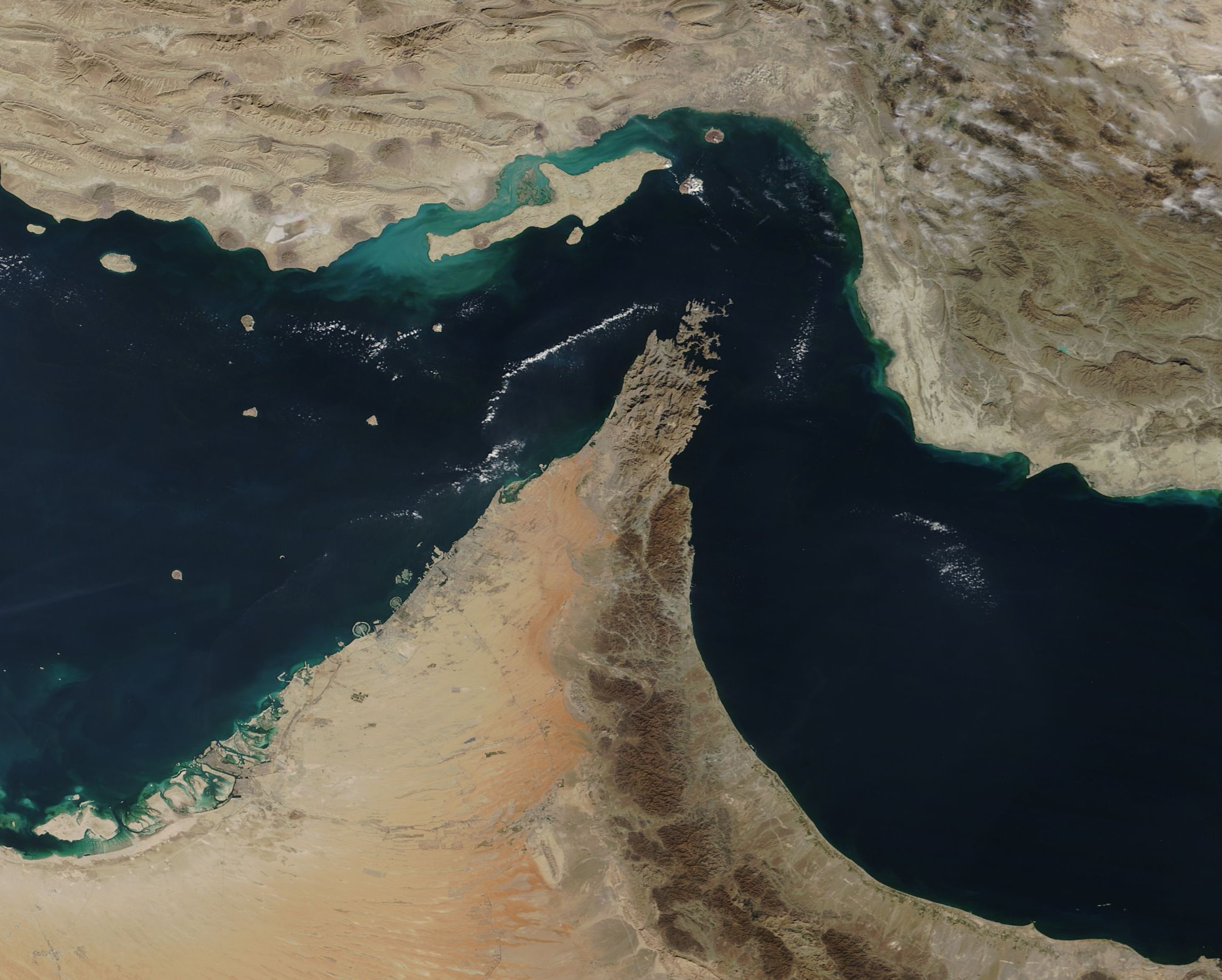
Markets responded immediately. Brent crude climbed 3.17 percent to $104.50 a barrel on Sunday, while US WTI crude rose 3.21 percent to roughly $98.48. The moves reflected renewed concern that the extended blockade of the Strait of Hormuz — through which roughly a fifth of global oil shipments normally pass — would persist. The US has imposed a counter-blockade on Iranian ports and Iran has captured several foreign-flagged ships in the strait, in addition to closing the waterway to almost all shipping. Pakistan, Al Jazeera reported, is pushing Iran to “come to a middle ground”, with Qatar, Saudi Arabia, Turkey and China all involved in mediation efforts behind the scenes.
Beijing summit, regional context
The breakdown comes a week before Trump’s scheduled visit to Beijing on Thursday 14 May for a two-day summit with Chinese President Xi Jinping, where the Iran war is expected to feature alongside trade and Taiwan. China is one of the largest importers of Iranian oil. Israeli Prime Minister Benjamin Netanyahu spoke with Trump on Sunday evening and, in a separate interview with CBS’s 60 Minutes, said the war with Iran was “not over”, stressing the need to “take out” Iran’s enriched-uranium stockpile. Secretary of State Marco Rubio and White House envoy Steve Witkoff met Qatari Prime Minister Mohammed bin Abdulrahman al-Thani in Miami on Saturday in parallel diplomatic efforts.
What life support means in practice
The ceasefire — which has held since 8 April 2026 despite naval clashes in the Strait of Hormuz over the past week — now risks formal collapse. Neither Tehran nor Washington has yet announced its termination, but the gap between the US 14-point proposal and Iran’s all-fronts counter-demand looks unbridgeable in the immediate term. Brussels and the EU Foreign Affairs Council, meeting in parallel on 11 May, also addressed the Middle East situation, with EU foreign ministers exploring cooperation with Gulf countries including a proposed security and defence partnership and contingency planning for the Strait of Hormuz. Markets, EU diplomats and Gulf capitals will all be watching the next 48 hours.