Starmer Faces Pressure After Labour Loses 1,100 Council Seats to Reform
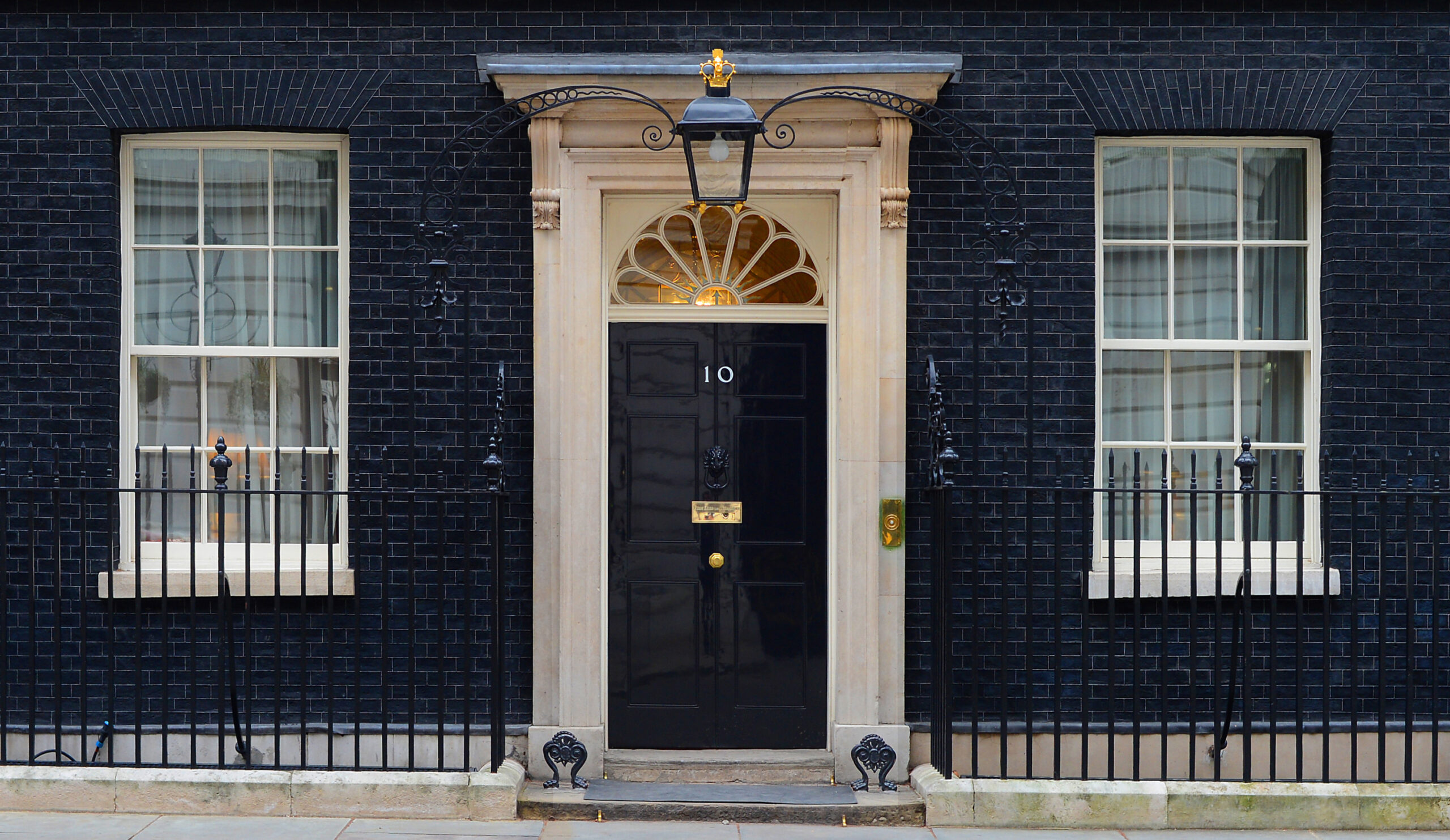
British Prime Minister Sir Keir Starmer delivered what Westminster watchers described as a make-or-break speech at the Coin Street Community Centre in London on Monday 11 May 2026, fighting for his political survival after his Labour Party’s catastrophic performance in the local elections of 7 May.
The damage: 1,100 seats, Wales lost, Reform surges
The headline numbers are brutal. Labour lost more than 1,100 council seats across England, retaining just over 1,000 of those it had contested. Reform UK, led by veteran nationalist Nigel Farage, gained more than 1,400 seats and took control of councils across the country, including Essex, Havering in Greater London, and the northern city of Sunderland. The Greens added over 300 seats and the Liberal Democrats picked up more than 150. The Conservatives lost over 500 seats, mostly to Reform. And in Wales, after 27 years of Labour dominance, Plaid Cymru — a pro-independence party — took the most seats, meaning all three nations of the UK outside England are now governed by nationalist, pro-independence parties.
The speech: “face up to the big challenges”
Speaking at Coin Street, Starmer took responsibility for what he called the “very tough” results, promising to “face up to the big challenges” and “make the Labour case” for a “stronger, fairer Britain”. The Prime Minister admitted Labour had made mistakes but argued the big political choices had been correct — including not being dragged into the US-Israel war on Iran. He pointed to reductions in NHS waiting lists, falling child poverty and immigration figures, telling the audience: “The fundamentals are sound. We’re not just facing dangerous times — we’re facing them with a plan.”
Calls for a timetable
The Prime Minister’s troubles deepened as Labour MPs broke cover. Clive Lewis, Labour MP for Norwich South, wrote on social media on Friday night: “The Prime Minister needs to go. That is not negotiable.” Other backbenchers — including Catherine West, David Smith (North Northumberland), and Paulette Hamilton (Birmingham Erdington) — have publicly urged Starmer to set a timetable for his departure, ideally a leadership election in September. A leadership contest requires the endorsement of 81 Labour MPs. Potential challengers include Health Secretary Wes Streeting, former Deputy Prime Minister Angela Rayner, and Greater Manchester Mayor Andy Burnham — all of whom have so far remained publicly silent.
The Brown and Harman bid
In a Saturday move read as a shoring-up exercise, Starmer brought back two figures from previous Labour governments. He made former Prime Minister Gordon Brown a special envoy on global finance, and appointed former deputy leader Baroness Harriet Harman an adviser on women and girls. The reshuffle came with the government due to set out its legislative plans on Wednesday in the State Opening of Parliament, delivered by King Charles III.
The Mandelson shadow
Starmer’s tenure has been weighed down by the disastrous appointment of Peter Mandelson — a scandal-tarnished political veteran with documented ties to the late convicted sex offender Jeffrey Epstein — as UK ambassador to Washington. Mandelson was dismissed after nine months in the job. The dispute has rumbled on, feeding into a broader perception of Starmer as “an uninspiring leader distracted by scandals”, in the words of senior Labour figures. The Liberal Democrats’ leader Ed Davey said voters had sent Starmer a clear message: “Britain needs a bold new direction, but he keeps delivering the same old speech.”
What comes next
Starmer insists he will lead Labour into the next general election, currently due before May 2029. “I’m not going to walk away,” he said on Sunday, describing his government as a “10-year project of renewal”. “I’m not going to plunge the country into chaos.” But with five major political forces now in play — Labour, Conservatives, Reform UK, Greens and Lib Dems — and with all three nations outside England under nationalist governments, the United Kingdom’s traditional two-party landscape is breaking apart. The most respected pollster, Sir John Curtice, called the picture “pretty much as bad as anyone expected for Labour, or worse”. Whether Starmer’s speech changes the trajectory will be measured in the weeks ahead — and in the number of Labour MPs willing to put their names to that 81-signature threshold.