Putin open to meeting Zelensky in third country for peace deal
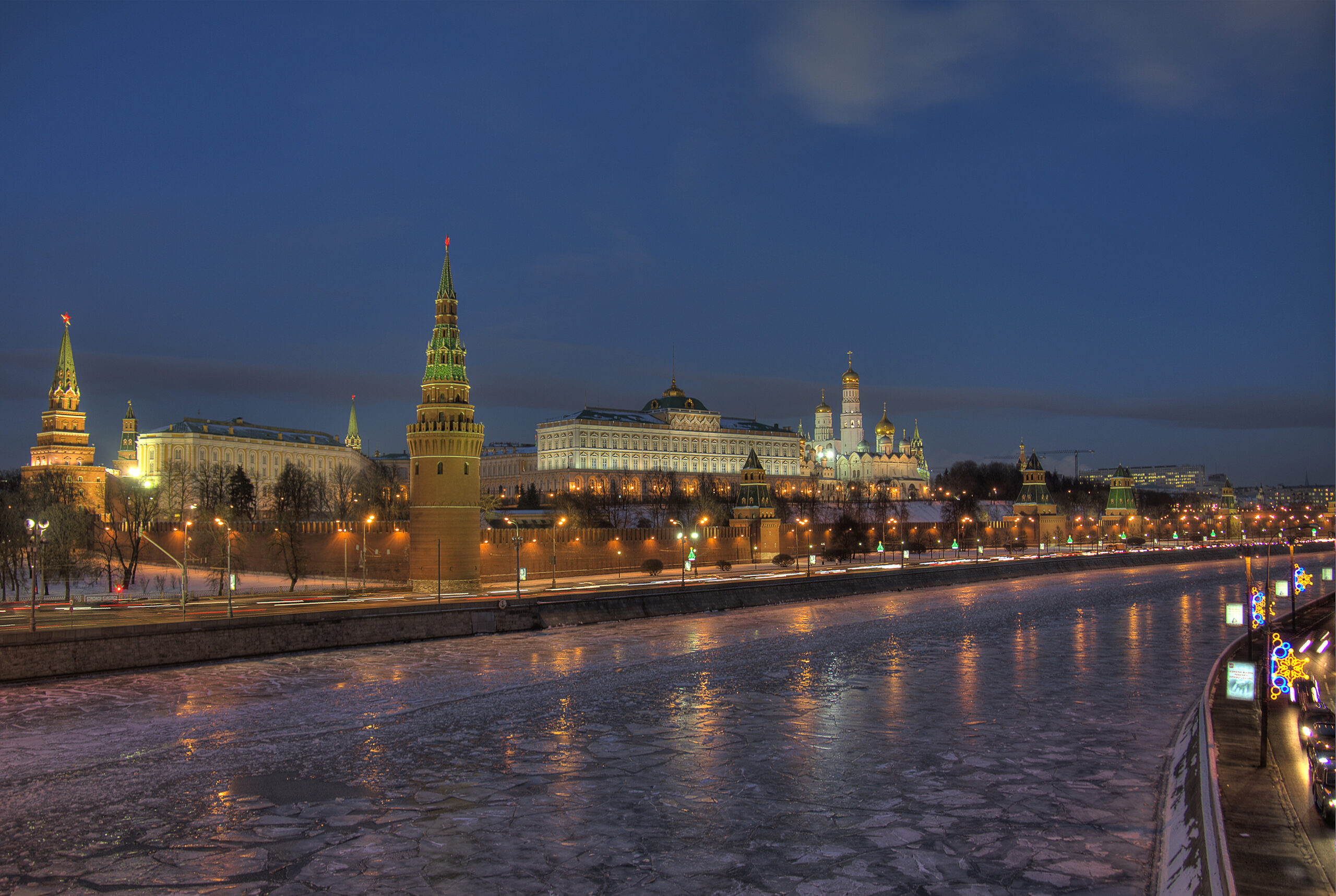
Russian President Vladimir Putin publicly shifted his stance on a face-to-face meeting with Ukrainian President Volodymyr Zelensky on 9 May 2026, telling reporters at the Kremlin after Victory Day commemorations that he was ready to meet his counterpart “not only in Moscow but also on the territory of a third state” — provided a long-term peace agreement is fully prepared in advance.
The exact wording from the Kremlin press conference
Speaking at the press point following the 81st-anniversary parade on Red Square, Putin framed the offer as conditional rather than open-ended. “Let him come to Moscow, we will meet,” the Russian leader told journalists. “You can also meet in a third country. But only if final agreements are reached on a peace treaty, which should be designed for a long historical perspective.” The wording — first reported by TASS and Russian news agencies and confirmed by Al Jazeera and Reuters — marks a notable departure from Moscow’s previous insistence that any leader-level meeting take place exclusively on Russian soil.
The Trump-brokered three-day ceasefire
Putin’s statement came against the backdrop of a three-day ceasefire running 9-11 May 2026, announced by US President Donald Trump on Truth Social earlier in the week. The truce — covering Victory Day in Russia and the parallel commemorations in Ukraine — included a suspension of all kinetic activity and a 1,000-for-1,000 prisoner swap, a request Trump said he had personally addressed to both Putin and Zelensky. The Russian Ministry of Defence reported no serious provocations during the Victory Day parade itself, while Putin acknowledged that Russia had separately discussed with Washington, Beijing, New Delhi and other capitals the possibility of Ukrainian strikes on 9 May.
The condition: signing, not negotiating
The Russian president was explicit that any leaders’ meeting would be a signing event, not a negotiation. “We know what these negotiations could look like from the Minsk accords,” Putin said. “One can speak for hours, and it yields no results. We need specialists to take care of that, to make it clear for both sides. Then we can meet to sign or attend a ceremony.” The framing places the diplomatic burden on technical-level negotiators well before any presidential summit, and conditions the symbolic meeting on a substantive deal already being on the table.
European reaction: cautious, sceptical
European capitals greeted the statement with measured caution. EU foreign-policy chief Kaja Kallas, currently navigating disputes within Brussels’ chaotic post-VdL institutional architecture, signalled the EU would “welcome any genuine diplomatic opening but assess Russian intentions by their actions, not their press conferences.” Brussels has spent April pushing through a fresh sanctions package on Russia — including measures targeting officials linked to the deportation of Ukrainian children — and committing €120 million in additional defence funding to Moldova in parallel. Kyiv has not formally responded, with one Ukrainian presidential adviser quoted by Reuters describing the offer as “a familiar trap dressed up as an opening.”
What Trump’s role looks like next
The Trump White House is positioned as the principal external broker, and the three-day ceasefire is the first concrete US-led de-escalation step since the second Trump administration took office. Russian officials including Kremlin spokesperson Dmitry Peskov have confirmed multiple working-level contacts with Washington over the past month, including discussions on prospective venues. Switzerland, the United Arab Emirates, Saudi Arabia and Turkey have all been floated by various capitals as potential third-country hosts — though no official venue has been identified. The 4 May Iran-UAE missile exchange has, in parallel, complicated Riyadh’s and Abu Dhabi’s appetite for hosting.
What it means for the war’s trajectory
If the ceasefire holds beyond 11 May — the original Trump-announced expiry — Putin’s softening on venue could open the door to the first leader-level meeting since the war’s full-scale phase began in February 2022. Markets reacted modestly: the rouble strengthened against the dollar, Brent crude eased to around $99 a barrel from $100, and European defence stocks dipped on early Monday futures. Sceptics in Brussels and Kyiv warn that Putin’s repeated framing — “only after a final long-term peace agreement is fully prepared” — gives Moscow effective veto power over the timing of any summit. Seventy-six years after Schuman, the question of whether Europe deepens or fragments may turn on what happens in the days after the Victory Day truce expires.