Europe Day marks 76 years of EU peace amid tensions
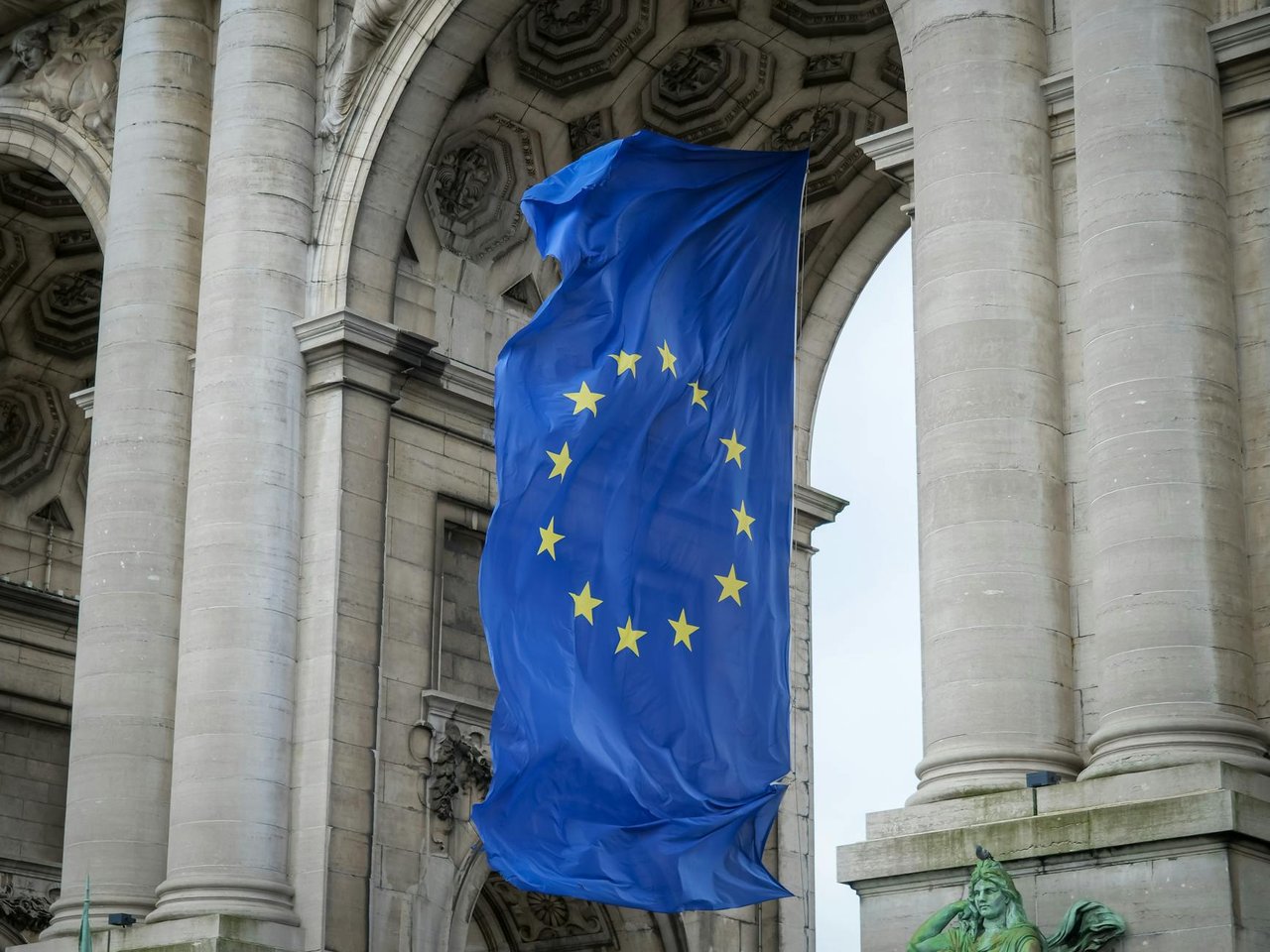
On Saturday 9 May 2026, Europeans across the Union celebrate Europe Day, marking the 76th anniversary of the Schuman Declaration — the 1950 speech by French Foreign Minister Robert Schuman that laid the institutional foundations of what has become the European Union. This year’s commemoration also marks 40 years since Portugal and Spain joined the European Communities in 1986, and 40 years since the first official Europe Day celebrations and the public adoption of the EU flag and anthem.
The Schuman speech: what it actually said
On 9 May 1950, in the Salon de l’Horloge of the Quai d’Orsay in Paris, Schuman read a brief but transformative declaration. “Europe will not be made all at once, or according to a single plan,” he said. “It will be built through concrete achievements which first create a de facto solidarity.” The proposal — to place Franco-German production of coal and steel under a common High Authority — created the European Coal and Steel Community in 1951 and set the institutional template for everything that followed: the European Economic Community in 1957, the Single Market in 1992, the euro in 1999.
The 2026 ceremony at the Berlaymont
This year’s celebrations are launched by the European Commission at a ceremony at the Berlaymont Building in Brussels, with public access from 10:00 to 18:00 CET. The Council’s Justus Lipsius building, the European Parliament, the European External Action Service and the European Court of Justice all open their doors. The European Investment Bank hosts parallel events in Brussels and Luxembourg, with a dedicated Europe Day at the EU village in Wiltz Castle on 10 May to mark 30 years of Europe Day celebrations in Luxembourg. In Paris, the Place de la République hosts the French capital’s annual programme from 10:00 to 23:00.
40 years of Iberian membership: a quiet success story
The accession of Spain and Portugal in 1986 remains one of the EU’s most successful enlargements. Spain has emerged as the fastest-growing major eurozone economy in 2025-2026, with manufacturing PMI rebounding to 51.7 in April 2026 (vs the eurozone average) and growth widely expected to remain above 2% — outperforming Germany, France and Italy. Portugal has consolidated as a tech and service economy. Both Iberian states sit firmly inside the eurozone’s institutional architecture and were among the most active backers of the post-2022 EU recovery package.
Europe Day in a year of strain
The 2026 celebration takes place against an unusually heavy backdrop: the Iran war entering its tenth week, eurozone inflation back at 3% in April after the energy passthrough, the EU’s response to the Trump administration’s transatlantic recalibration (including troop-withdrawal threats from Germany), and parallel Ukraine, Moldova, Albania and Montenegro accession timelines. ECB President Christine Lagarde speaks at the European Council in Brussels and at the Römerberg market square in Frankfurt to mark Europe Day. Seventy-six years after Schuman, the question on 9 May 2026 is no longer whether the EU survives, but whether it can deepen.