UK Braces for Potentially Record-Breaking Summer as Heatwave Pressure Builds Across Europe
Britain could be on course for its warmest summer ever recorded, as a fresh wave of extreme heat prepares to sweep across the European continent, raising fresh concerns among climate scientists and public health officials about the accelerating pace of climate change.
Meteorologists are monitoring atmospheric conditions closely, with forecasters indicating that temperatures across the United Kingdom and much of continental Europe are expected to rise significantly in the weeks ahead. The projections come as scientists continue to assess what has already been an exceptionally warm period in several parts of Europe, with seasonal averages being exceeded repeatedly throughout the year.
Senior scientists at the UK’s Met Office have pointed to the emerging data as further evidence of a fundamental shift in Britain’s climate patterns. According to reports, one senior Met Office scientist described the statistics as a stark reminder of the profound changes now observable in the country’s weather systems — changes that, experts warn, are consistent with broader global warming trends and are no longer considered anomalies.
A Continent Under Climate Pressure
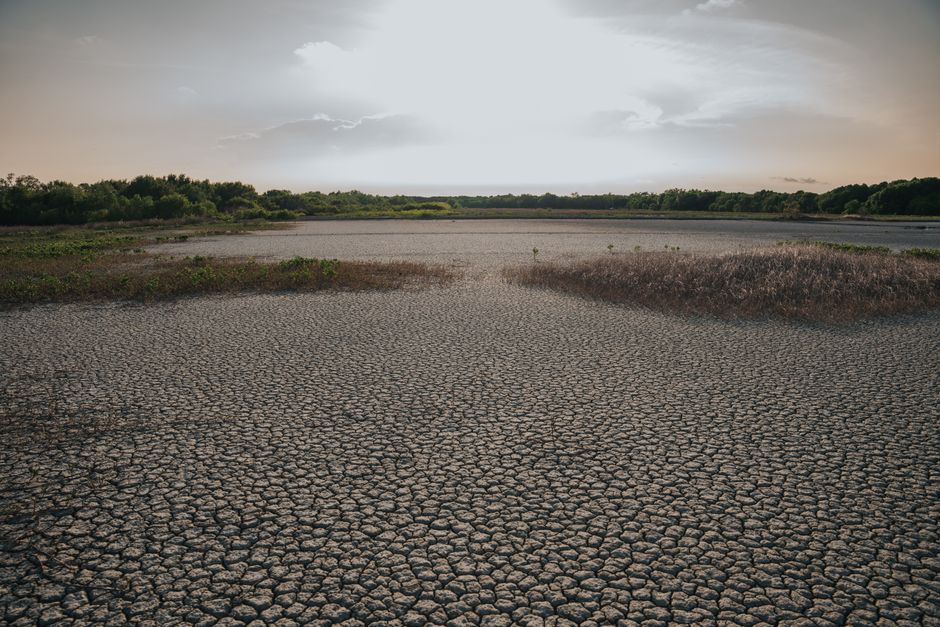
The situation in the UK reflects a wider European reality. The continent has endured a series of intense heatwaves in recent years, with record temperatures logged from the Iberian Peninsula to Scandinavia. Southern European nations, in particular, have faced devastating consequences including wildfires, drought conditions, and significant strain on health infrastructure. This summer, forecasters suggest, could add another chapter to what is becoming an increasingly troubling pattern.
Public health authorities across Europe have been urged to review and reinforce heat emergency plans ahead of the anticipated temperature peaks. Vulnerable populations — including the elderly, young children, and those with pre-existing medical conditions — are considered most at risk during prolonged periods of extreme heat. Several governments have reportedly begun issuing early guidance to citizens on how to manage exposure to high temperatures.
Climate researchers have long warned that such events would become more frequent and more intense as global average temperatures continue to rise above pre-industrial levels. The evidence emerging from this summer’s early conditions, according to scientific observers, lends further weight to those projections and underscores the urgency of both mitigation and adaptation strategies at European and national levels.
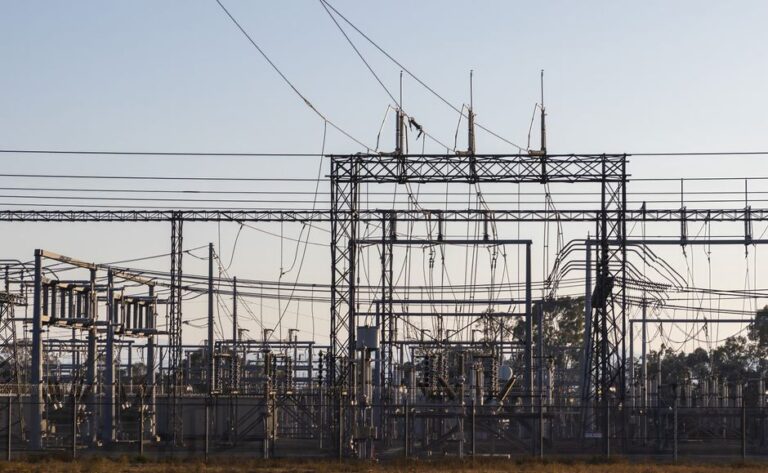
For the UK specifically, a record-breaking summer would carry significant implications not only for public health but also for water resources, agriculture, energy demand, and infrastructure. Rail networks, roads, and buildings — many designed for a cooler, wetter climate — face particular vulnerability during sustained high-temperature events, as has been demonstrated in previous heatwaves. Officials have been pressed in recent years to accelerate adaptation planning to account for a climate future that looks markedly different from the country’s historical baseline.
As European citizens and governments prepare for another potentially gruelling season, the data accumulating from each successive summer is reinforcing what scientists have argued for years: that extreme heat is no longer an occasional hazard for Europe, but an increasingly permanent feature of its climate — one that demands sustained political will and coordinated cross-border responses to manage effectively.