Soil degradation could cost EU economy up to €509 billion over next budget, campaigners warn
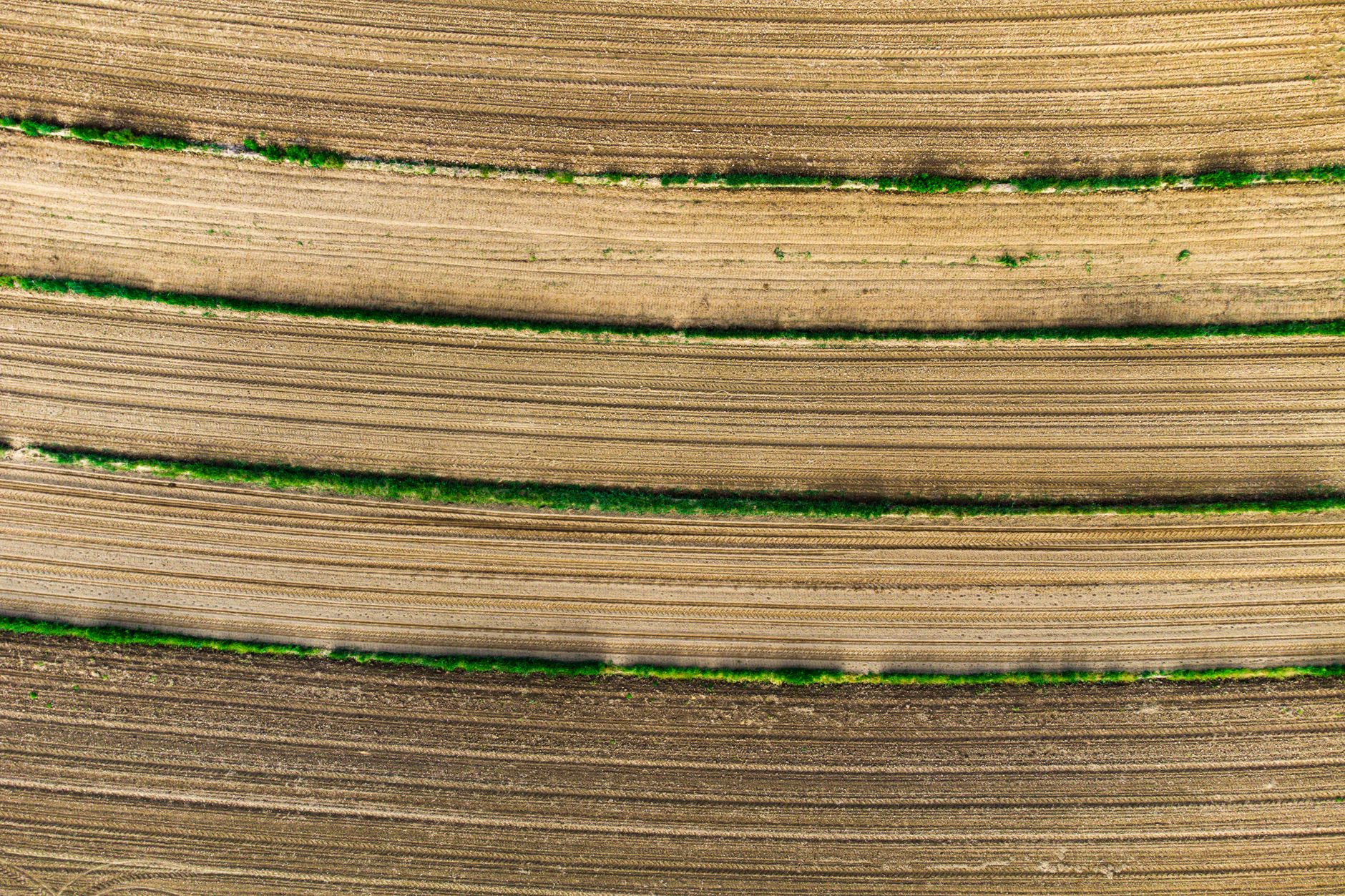
Soil degradation in the European Union could drain between €286 billion and €509 billion from the bloc’s economy during the 2028–2034 budget period if current annual losses persist, according to estimates released by the campaign group Save Soil on Thursday. The figures are based on research from the European Commission’s Joint Research Centre, which calculated that damaged soils cost the EU between €40.9 billion and €72.7 billion each year. Save Soil multiplied that range by the seven years covered by the next long-term budget currently under discussion in Brussels.
The estimate accounts for erosion, contamination, compaction, and loss of soil carbon, among other forms of degradation. The Joint Research Centre noted that the financial toll could double if additional impacts such as biodiversity loss, floods, droughts, and health effects were included. Save Soil is urging the next Common Agricultural Policy to reward farmers for measurable improvements in soil health rather than leaving them to shoulder restoration costs alone.
Campaign calls for shift in farm subsidies
“Europe is debating hundreds of billions in agricultural support while soil degradation is already imposing enormous costs on its economy,” said Rico Rau, lead author of Save Soil’s COP31 report. The group, launched in 2022 by Indian spiritual leader Sadhguru and his Isha Foundation, advocates for government policies that protect and restore soils. According to the European Commission, 60% to 70% of EU soils are unhealthy, undermining their ability to sustain farming, retain water, and withstand extreme weather. Save Soil warns that poorer soils can reduce crop yields, increase costs, and make supply chains more fragile.
The EU’s food and drink sector generates €1.5 trillion in annual turnover and employs 4.8 million people, according to industry body FoodDrinkEurope. Save Soil wants the next CAP to compensate farmers for verified soil health gains and to reward those whose land is already in good condition. The group also calls for the Soil Monitoring Law, which took effect in December 2025 but sets no binding restoration targets, to provide consistent evidence without duplicating measurements and paperwork. Additional proposals include an EU carbon farming certification scheme and public procurement policies to secure demand for sustainably grown food.
“If we want to ensure food security, farming has to be lucrative,” said Sadhguru, founder of Save Soil. He argued that governments must make farming profitable or the next generation will abandon it. In July 2025, the European Commission proposed ring-fencing at least €300 billion for farmers’ income and crisis support from 2028. EU agriculture ministers agreed on a stance for CAP rules in October but left funding decisions to broader budget negotiations. Meanwhile, agriculture talks at COP31 in Türkiye ended without a meaningful outcome, with decisions postponed until 2027.