
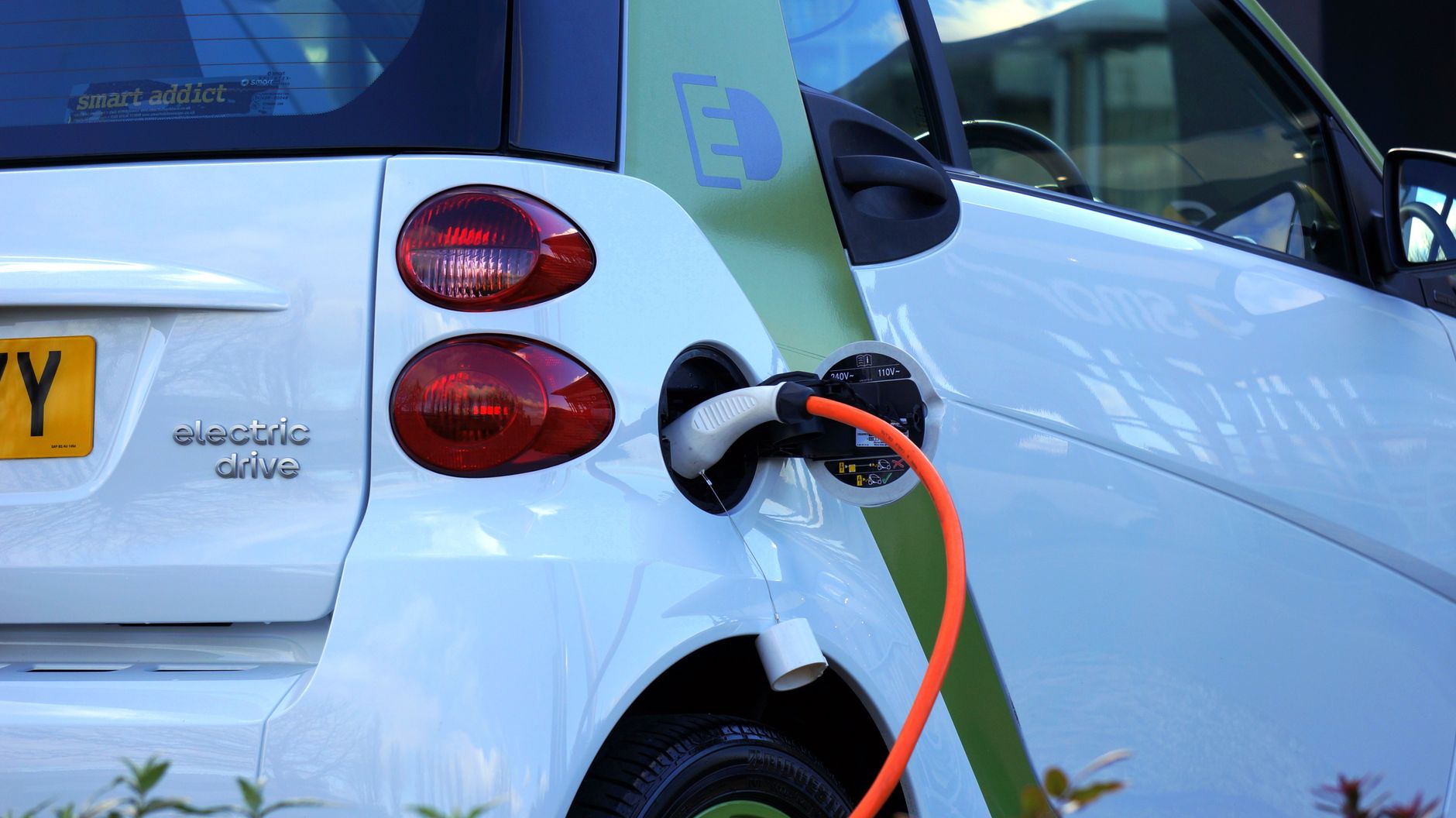
Portugal to subsidise electric cars for vulnerable families and microenterprises
Portugal has announced plans to support the purchase of electric vehicles by vulnerable families and microenterprises. The initiative was revealed in early November during the State Budget 2027 debate. Environment Minister Maria da Graça Carvalho said the government intends to support the purchase of more than 20,000 vehicles.
The measure is part of the Social Climate Plan, with an estimated allocation of 104.5 million euros to subsidise around 5,500 vehicles for the poorest families in a first phase. The target could grow by about another thousand units during negotiations in Brussels. Final approval by the European Commission is still needed.
Support for vulnerable families
The government aims to cover up to 80 percent of the vehicle value, with a maximum of 15,000 euros per vehicle. Support can increase by 1,000 euros if an old vehicle is handed in to be scrapped. However, scrappage is not required for vulnerable families, unlike other cases. The minister explained that this allows low-income families to sell their old car. “It is not the programme that covers it, but we have other funding for VAT. And we do not require scrappage,” Carvalho told Rádio Observador.
Eligible families are first those benefiting from the social electricity tariff, about 750,000 families, with priority in applications. Then households with incomes below 80 percent of the national median income, up to 11,572 euros a year. The cap on vehicle price is 37,500 euros, new or used and less than five years old. Vehicles must be bought from dealerships, not private sellers. Payment is via a voucher system, with no upfront payment needed. Vehicles bought under the scheme cannot be sold before three years.
The initiative focuses on vulnerable families “more exposed to the impacts of rising fossil fuel prices”. The government expects to support the electrification of mobility of 5,500 vulnerable families. Portugal has a high rate of car ownership among lower income households, around 20 percent on average, and 24 percent in rural areas. Many of these cars are older with high carbon emissions. In rural areas, people have cars because they need them, as public transport does not solve problems in low-density regions.
Support for microenterprises and buses
The government will also support around 9,000 microenterprises with 228 million euros. Microenterprises are defined as having turnover up to 2 million euros and fewer than 10 workers. They can buy 13,700 electric vehicles, with each company applying for one or two cars. The subsidy is up to 100 percent, excluding VAT. Microenterprises must hand in one vehicle to be scrapped per electric vehicle bought. They must prove fuel accounts for at least 5 percent of expenditure.
Additionally, 125.5 million euros will co-finance the purchase of 700 electric buses for low-density areas. These buses are intended for mobility of workers, students, and transporting patients. Funding includes buying charging infrastructure and shelters by transport authorities.
Expert concerns
António Alvarenga, professor at Nova School of Business and Economics, warned of contradictory effects. He said the incentive may be a positive step towards decarbonisation, but risks encouraging behaviour opposite to intended. For example, a family previously using public transport or bicycles daily might start using a private car. Alvarenga said the incentive could increase emissions by replacing more sustainable travel with a more polluting individual solution.
He also noted the need to assess impact on road traffic volumes. The support promotes a change in technology, not necessarily a reduction in the number of cars. It may maintain or increase dependence on individual transport, without resolving congestion, use of public space, and pressure on infrastructure. Alvarenga stressed that energy transition should not focus exclusively on replacing combustion cars with electric vehicles.