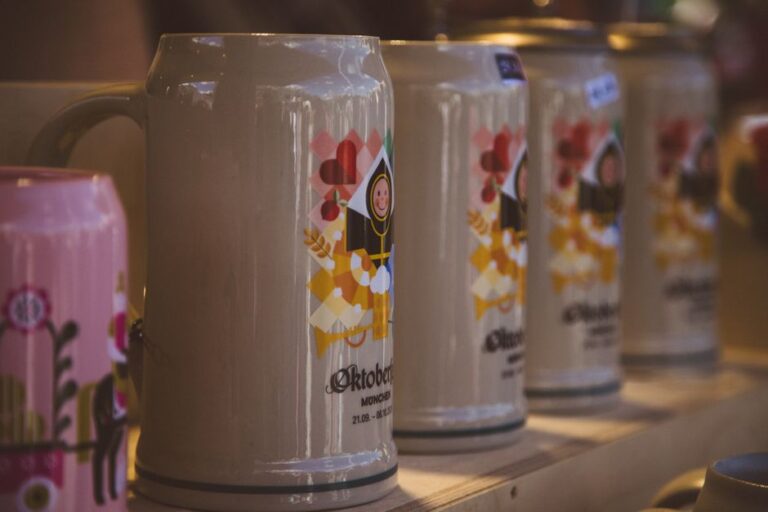
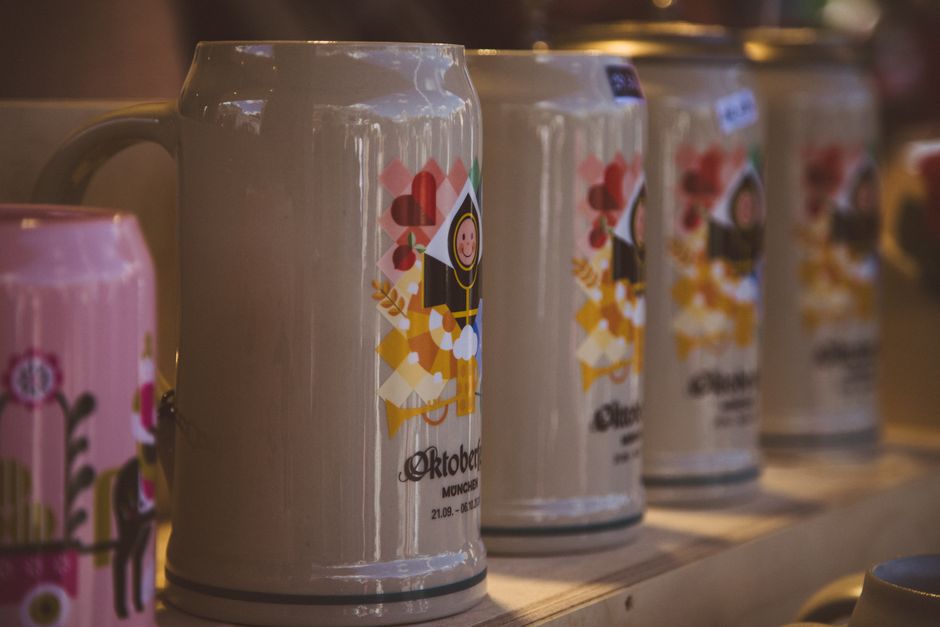
Munich Raises the First Stein as Oktoberfest Reclaims Its Place on the World Stage
Munich has once again transformed itself into the world’s most famous party venue, as the gates of Oktoberfest swung open and the Bavarian capital settled into the particular kind of organised revelry for which it has become globally renowned. For sixteen days, the sprawling Theresienwiese fairground at the city’s heart will serve as the epicentre of a celebration that draws millions of visitors from every corner of the planet.
The festival’s opening marks what locals and officials have long described, with a degree of affectionate irony, as Munich’s annual self-declared state of emergency — a period in which the rhythms of ordinary urban life bend unmistakably around the demands of lederhosen, brass bands, and litre-sized steins of Bavarian lager. For residents and tourists alike, the city takes on a character entirely its own during these weeks in late September and early October.
A Living Showcase of Bavarian Tradition
Beyond the beer tents, Oktoberfest functions as one of Europe’s most distinctive cultural exhibitions. The Theresienwiese becomes a canvas on which Bavarian heritage is displayed in vivid, unrestrained fashion. Traditional dirndl dresses and embroidered lederhosen fill the grounds, and according to reports, the festival increasingly serves as a showcase for regional costume culture that might otherwise be fading from everyday life. Artisans, folk musicians, and cultural associations participate alongside the commercial attractions, lending the event a dimension that extends well beyond simple tourism.
The fairground itself is far more than a beer garden. Alongside the iconic large tents operated by Munich’s established breweries, the Theresienwiese hosts a full funfair complete with rides, carnival games, and an array of food stalls offering traditional Bavarian fare. The combination creates an atmosphere that appeals simultaneously to families, food enthusiasts, cultural tourists, and those simply seeking the convivial atmosphere for which the festival is internationally celebrated.
Oktoberfest’s economic significance for Munich and the broader Bavarian region is considerable. The festival generates substantial revenue for the city’s hospitality, retail, and transport sectors, with hotels and guesthouses typically reporting full occupancy well in advance of the opening weekend. According to reports, the event’s contribution to Munich’s economy across its run is among the highest of any single recurring cultural fixture in Germany.
The festival’s origins date to the early nineteenth century, when it began as a celebration of a royal wedding before evolving into the sprawling, multifaceted event it is today. That evolution has not been without controversy in recent years, as organisers and city authorities have periodically faced questions about managing visitor numbers, ensuring safety, and balancing the commercial scale of the event with its cultural roots. Sustainability has also emerged as a growing concern, with officials said to be working on measures to reduce the environmental footprint of an event that generates significant waste and resource consumption over its run.
Nevertheless, for Munich and for Bavaria more broadly, Oktoberfest remains an irreplaceable fixture — a moment when a region’s identity is projected outward to a global audience in a way that few other events on the European cultural calendar can match. As the first barrels are tapped and the tents fill once more with the sound of oompah brass and clinking glasses, the Bavarian capital is, for another year, unmistakably and unapologetically itself.