Merz and Macron Pledge to Fast-Track EU Agenda Amid French Political Uncertainty
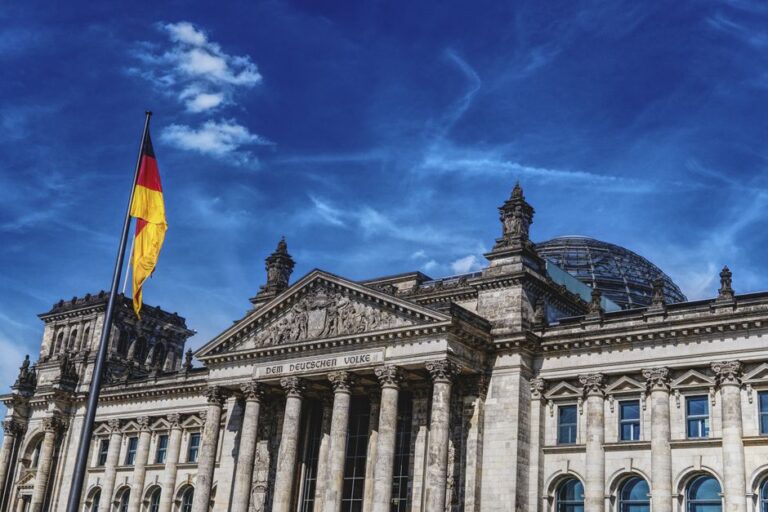
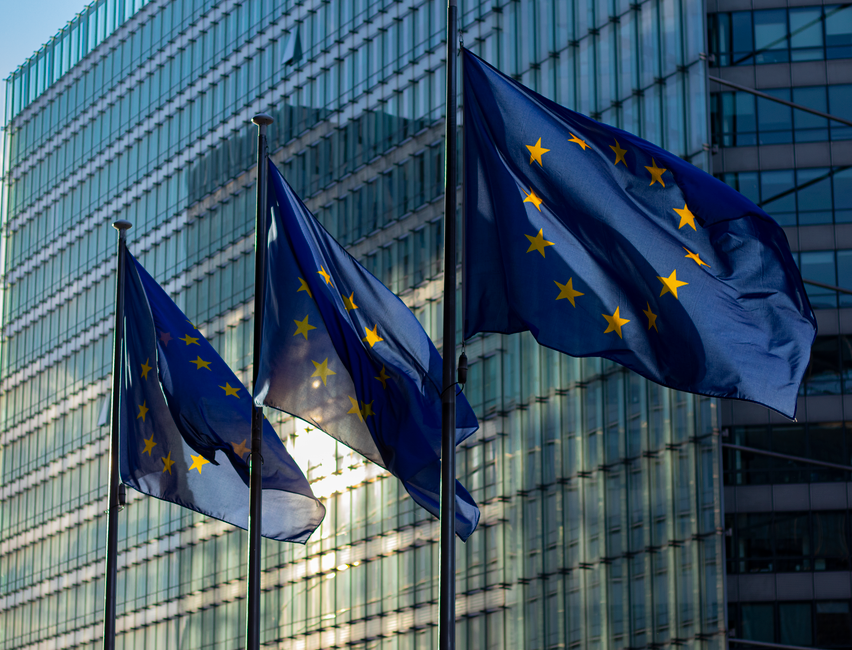
German Chancellor Friedrich Merz and French President Emmanuel Macron have committed to accelerating progress on key European Union priorities, with both leaders signalling a sense of urgency driven, they say, by economic imperatives rather than any desire to pre-empt a potential future far-right government in France.
The pledge, which emerged from high-level Franco-German consultations, underscores the weight that Berlin and Paris still place on the bilateral relationship as the engine of European integration. The two leaders framed the push as a response to mounting competitive pressures on the European economy, particularly in the face of trade uncertainty and the continued technological rivalry between the United States and China.
The timing, however, is difficult to ignore. Marine Le Pen’s National Rally party remains a significant force in French politics, and the prospect of a far-right presidency in France at some point in the coming years is treated with increasing seriousness by European capitals. Le Pen herself faces ongoing legal proceedings that have complicated her political trajectory, but her movement’s influence over the French policy debate remains substantial.
Economic Framing Takes Centre Stage
Both Merz and Macron were careful to position their renewed drive not as a defensive manoeuvre against any particular political outcome, but as a straightforward response to Europe’s economic challenges, according to reports from the talks. The EU’s competitiveness agenda — touching on energy costs, capital markets integration, and industrial policy — featured prominently in their discussions. Officials indicated that both governments want to see tangible legislative momentum at the EU level before the political calendar becomes more complicated.
The emphasis on economics reflects a broader strategic calculation. Framing European integration as a practical necessity rather than an ideological project is seen as more durable political ground, particularly at a time when eurosceptic and nationalist parties are gaining strength across the continent. By anchoring their agenda in jobs, growth, and strategic autonomy, the two leaders appear to be attempting to build a case that transcends traditional pro-European constituencies.
Analysts have noted that the Franco-German axis, while still symbolically central to EU affairs, has at times struggled to translate bilateral agreement into wider European consensus. Getting other member states, particularly in southern and eastern Europe, to align behind a shared agenda will be a key test of whether this renewed commitment produces concrete results in Brussels.
For Merz, who took office earlier this year, deepening ties with Paris represents both a political priority and a personal statement of intent. His willingness to work closely with Macron, despite the two leaders coming from different points on the political spectrum, has been watched closely in European capitals as a signal of Germany’s continued commitment to multilateral solutions over national unilateralism.
Whether the two governments can convert their stated ambitions into legislative outcomes before political conditions shift further remains an open question. The EU’s institutional calendar is already crowded, and agreement among twenty-seven member states on sensitive economic questions has rarely come easily. Still, the visible alignment between Berlin and Paris, however carefully worded, sends a message that the traditional centre of European gravity intends to remain active — and engaged — regardless of what may lie ahead.