Italy’s pineapple pizza taboo: chefs sacked, purists outraged, yet top pizzaioli quietly embrace it
An Italian chef in Australia has been dismissed after refusing to put pineapple on pizza, reigniting a long-running debate over culinary purity and innovation. Davide Tamburella, working at a restaurant in Brisbane, Queensland, rejected customer and management requests to add the tropical fruit, calling the combination an insult to Italian culture. Queensland grows almost all of Australia’s pineapples, making the ingredient locally abundant. Tamburella’s stance echoes a 2017 incident in which chef Maurizio Landi, from Bologna, was sacked by a bistro near Lyon after resisting pressure to cook pasta longer and serve spaghetti bolognese.
Food fashions are changing faster than ever, with more chefs on television than grandmothers cooking at home. The pizza of a century ago bears little resemblance to today’s versions, and many practices once common are now forgotten. Old recipe books show that pasta was eaten soft for centuries, and macaroni with cheese was served alongside meat dishes from the Middle Ages onwards. Yet today, overcooked pasta and pasta as a side dish are old ways Italians no longer recognise.
Rules that shift over time
Some culinary taboos are relatively recent. Adding a spoonful of cream to carbonara is enough to get you thrown out of the country, but cream in carbonara was introduced in the 1960s by a few Roman cooks and kept up for at least 40 years. Grated cheese on pasta with fish is considered an outrage by many Italians, who forget traditional dishes like mussels with pecorino. Even the cappuccino rule is inconsistent: ordering one at the end of a meal draws horrified gazes from waiters, but a caffè macchiato—essentially a cappuccino in miniature—provokes no reaction.
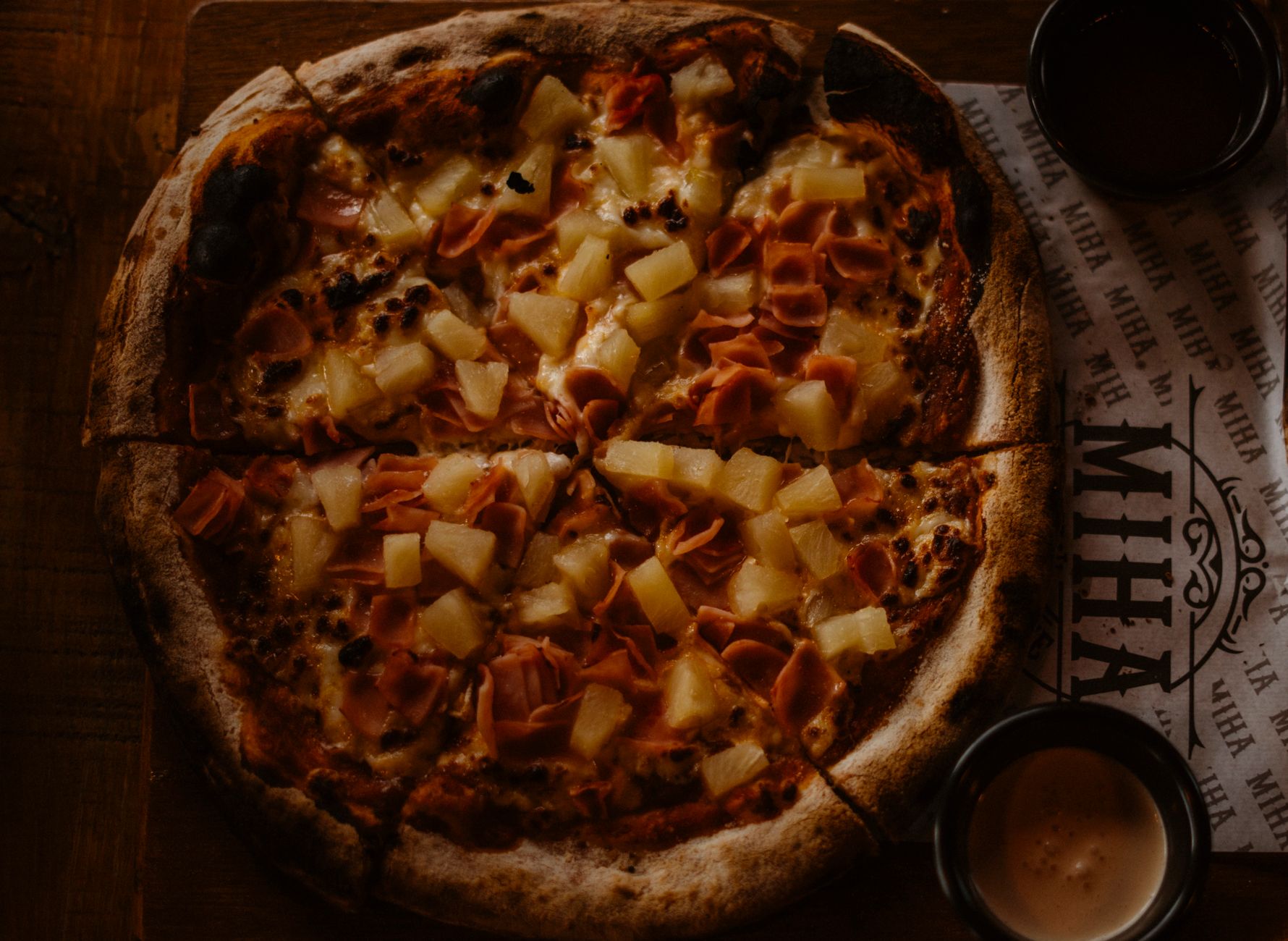
Pineapple on pizza remains the ultimate flashpoint. In Bologna, ragù is eaten solely with tagliatelle; putting it on spaghetti borders on outrage. Yet Italian pizzerias offer frankfurters and chips, speck and mascarpone, and tuna and onion. The traditional pizza of Pesaro, in the Marche region, is a margherita topped with hard-boiled eggs and mayonnaise. A Morning Post article from 17 December 1860 on “Neapolitan pizza” noted that “the highest authorities on these points treat with disdain all such modern innovations, and protest that a pizza compounded after that fashion has no right to the name at all.”
High-end pizzerias break the taboo
Despite the outrage, some of Italy’s most respected pizzaioli have opened the door to pineapple. Gino Sorbillo, one of the world’s most respected pizzaioli, has allowed pineapple only on white pizza with no tomato. Franco Pepe, considered by many the best pizza maker in the world, created AnaNascosta (“hidden pineapple”): a cone of pizza filled with pineapple, San Daniele ham, and Grana Padano fondue. This summer, Berberè, a pizzeria chain with five sites in London, launched a pizza with spiced pineapple sauce. Food historian Luca Cesari, author of The History of Pizza, offers a provocative explanation: “The truth is that we Italians don’t need pineapple pizza to eat. We need it to despise.”