Greece to raise Turkey-Libya maritime deal at EU summit
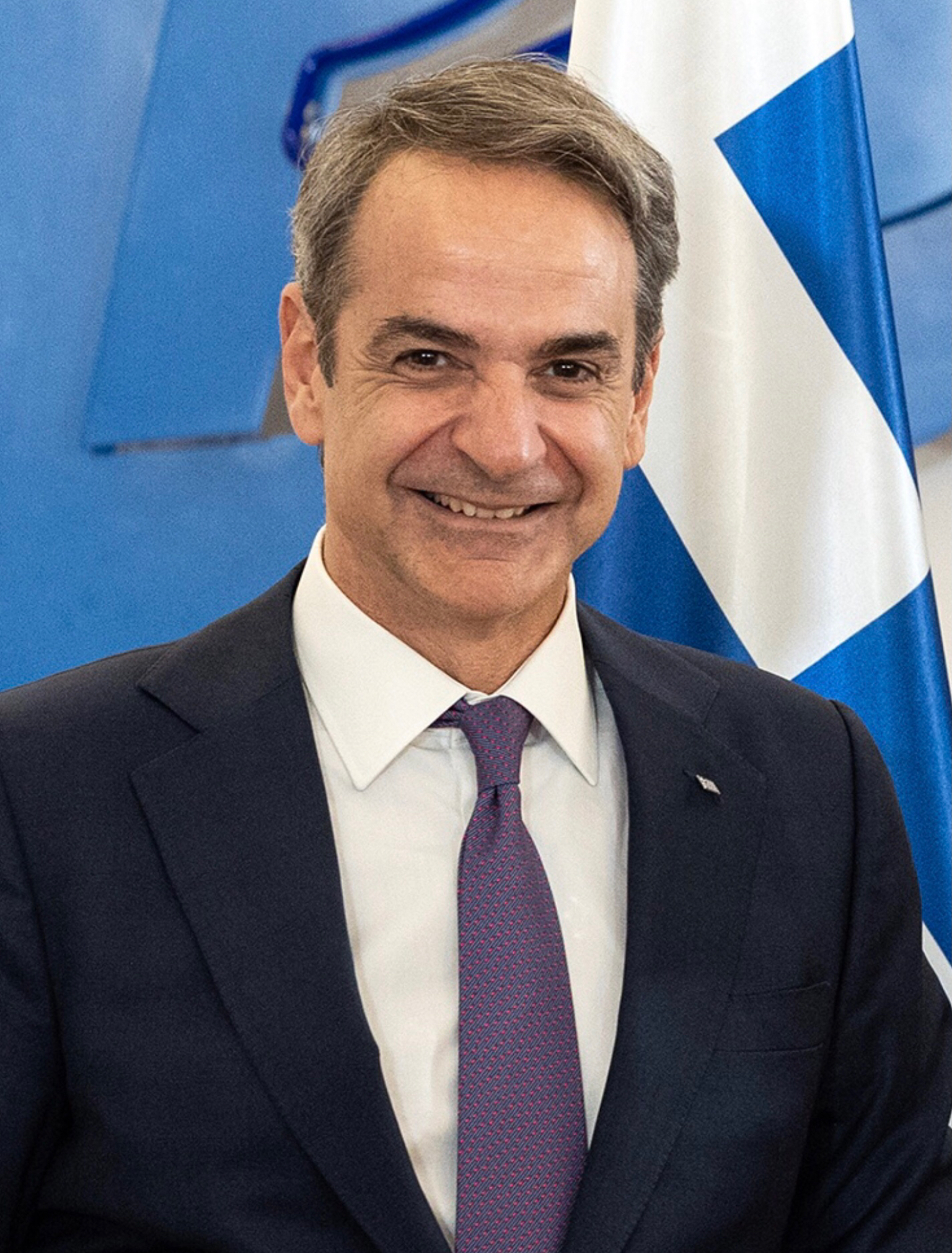
Greece intends to bring a maritime boundary dispute with Turkey before European Union leaders at an informal summit in Dublin on Friday, according to a senior official in Athens. Prime Minister Kyriakos Mitsotakis is expected to raise the issue even though the gathering was planned to focus on artificial intelligence and Ukraine. The disagreement stems from a 2019 accord between Ankara and Libya’s U.N.-backed government in Tripoli, which was ratified unanimously by rival authorities in eastern Libya on October 20.
Athens argues that the Turkey-Libya agreement claims a corridor in the eastern Mediterranean between Greece and Cyprus that falls within Greece’s exclusive economic zone. The European Union has supported energy and connectivity projects in those waters. Greek Foreign Minister Giorgos Gerapetritis warned last week that his country would request sanctions and EU support in the event of any escalation. The bloc’s top officials have already called the deal “null and void,” saying it infringes on sovereign rights and does not comply with the Law of the Sea.
Strategic projects at risk
Greece fears Ankara could use the Libya deal to contest offshore exploration south of Crete and an EU-funded undersea electricity cable linking Greece and Cyprus. The EU’s most recent report on Turkey’s stalled accession process noted Ankara’s continued obstruction of the €1.9 billion electricity interconnection. Work on that project was interrupted in 2024 amid the standoff, but on Tuesday a French vessel departed from Heraklion, Greece, to resume operations. Three months earlier, French company Meridiam had become the project’s majority shareholder.
Turkey’s foreign ministry has accused Brussels of adopting “maximalist and illegal” positions of Greece and Cyprus that are “detached from reality.” President Recep Tayyip Erdoğan said Ankara expects respect for the joint will of Turkey and Libya. The underwater border demarcation is part of a broader Turkish policy asserting sovereignty over coastal areas, with Ankara aiming to codify its Blue Homeland doctrine by the end of the year. Greece and Cyprus warn that Turkey’s claims could block strategic projects in the eastern Mediterranean.
Mitsotakis raised the issue at last month’s U.N. General Assembly, where he displayed a map and said there is no precedent for such a diagonal delimitation. He added that geography cannot be rewritten and sovereign rights cannot be erased by drawing arbitrary lines. Several other states, including Egypt, Bahrain, Cyprus, Israel, and the United Arab Emirates, have rejected the border pact. Cyprus has separate disputes with Turkey over Ankara’s occupation of the island’s north since the 1970s. Carnegie Europe Turkey analyst Marc Pierini wrote that divergences over maritime borders have widened the gap between Turkey and EU governments.