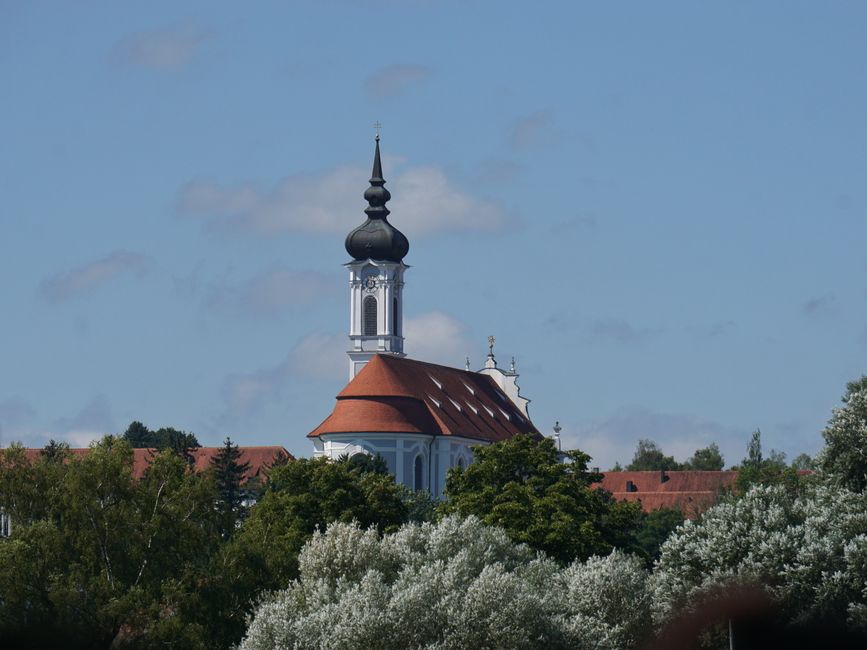
Germany’s Churches Are Emptying the Pews but Filling the Coffers
Germany’s major Christian churches are facing a paradox that defies conventional wisdom: even as hundreds of thousands of worshippers formally abandon their faith communities each year, the institutions they leave behind are growing wealthier. A combination of rising wages and a resilient tax collection mechanism has ensured that the financial foundations of the Catholic and Protestant churches remain surprisingly robust.
The phenomenon stems from Germany’s distinctive church tax system, known as the Kirchensteuer, under which registered members of recognised religious communities pay a surcharge — typically between eight and nine percent of their income tax bill — directly to their church. The arrangement, administered by the state on the churches’ behalf, means that as German wages rise, so too does the yield from each remaining member, even if the overall membership rolls continue to shrink.
A Tax System That Bends the Rules of Decline
According to reports, the surge in nominal wages across Germany in recent years, partly a response to elevated inflation, has translated into significantly higher income tax bills for workers — and, by extension, higher church tax contributions from those who remain enrolled. The net effect has been that the revenue generated per active member has increased at a pace sufficient to offset, and in some years surpass, the losses caused by mass departures.
The scale of those departures is nonetheless striking. Both the Roman Catholic Church and the Evangelical Church in Germany have recorded record or near-record resignation figures in recent years, with several hundred thousand individuals formally deregistering annually. The administrative process of leaving — which requires a visit to a civil registry office and the payment of a small administrative fee — is seen as a deterrent, yet the numbers walking away have continued to climb.
Observers attribute the exodus to a range of factors, including declining religiosity among younger generations, the lasting reputational damage caused by clergy abuse scandals, and a growing reluctance among cost-conscious households to pay what can amount to a significant annual sum. For higher earners, the church tax can run into thousands of euros per year.
The financial resilience of the churches has attracted scrutiny from those who question whether large, wealth-accumulating institutions should continue to benefit from a state-administered tax mechanism, particularly as their social and pastoral footprint contracts. Critics argue that the arrangement insulates church hierarchies from the urgent need to reform and adapt, while supporters counter that the revenues fund a vast network of hospitals, schools, kindergartens, and social services that the state would otherwise have to absorb.
The broader European context adds another dimension. Germany stands out even among its neighbours for the formality and fiscal weight of its church membership model; few other countries operate a comparable automatic deduction system at such scale. As secularisation accelerates across the continent, the German case is increasingly watched as a test of how long institutional religion can sustain itself financially in an age of belief without belonging. For now, the answer appears to be: longer than the empty pews might suggest.