France blames Iran for cyberattack on supermarket fridges, warns of AI escalation
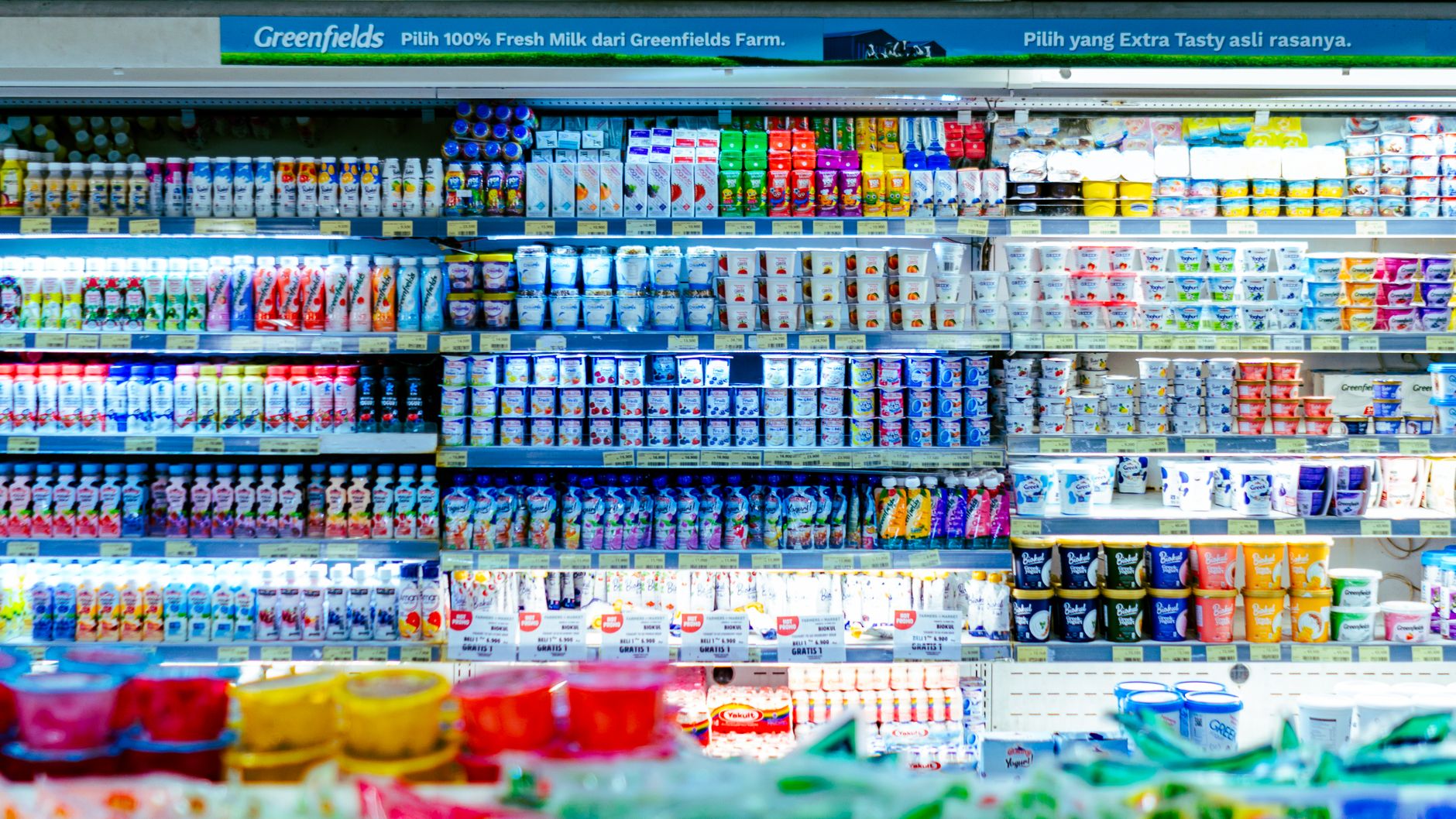
France has attributed a cyberattack that targeted supermarket refrigerators to hackers operating under Iran’s Islamic Revolutionary Guard Corps, marking the first time a state has been implicated in this type of hack. The attack, which occurred in 2023, disrupted refrigeration systems across the country, causing some units to overheat and catch fire. Hours after the breach, employees were seen discarding piles of spoiled meat and melted ice cream into rubbish containers.
French Foreign Minister described the incident as an act of “unprecedented scale and unprecedented aggression” and promised “Europe-wide sanctions” against those responsible. The attack made headlines worldwide, despite carrying no explicit message. Rafe Pilling, senior director at cybersecurity firm Sophos, noted that the hackers used default passwords to access fridge controls, describing the operation as relatively unsophisticated and consistent with Iranian capabilities.
A pattern of disruptive hacks
The French incident follows a wave of similar attacks across Europe. In May, industrial freezers at an Israeli food production plant malfunctioned, and in August, freezer failures at US military bases spoiled food, reportedly treated as suspected hacks. While those attacks were not officially attributed to Iran, Pilling suggested they are likely linked to the French operation. “The attacks themselves were not particularly complex,” he said, adding that Iran typically uses cyber operations to “project power internationally and to signal their political displeasure with regional and international adversaries.”
Pilling contrasted Iran’s approach with other state actors: China focuses on industrial espionage and mass data gathering, Russia on disrupting enemy infrastructure and spreading disinformation, and North Korea on hacking crypto exchanges for financial gain. He believes the fridge attacks were intended as a warning, a “shot across the bow” of Iran’s enemies, driven by geopolitical tensions rather than technological sophistication. The UK’s national cybersecurity centre has warned that the country is in the “foothills” of a new level of cyber threat, expecting a “huge rise” in incident volume. A key concern is artificial intelligence, which could help attackers identify previously unseen vulnerabilities and plan more effective operations. However, experts note that the underlying context of the fridge attacks remains geopolitical, and the vulnerabilities exploited were relatively easy to find without advanced tools.