Europe’s Wildfires Are Unearthing a Hidden Danger: Unexploded Ordnance from Two World Wars
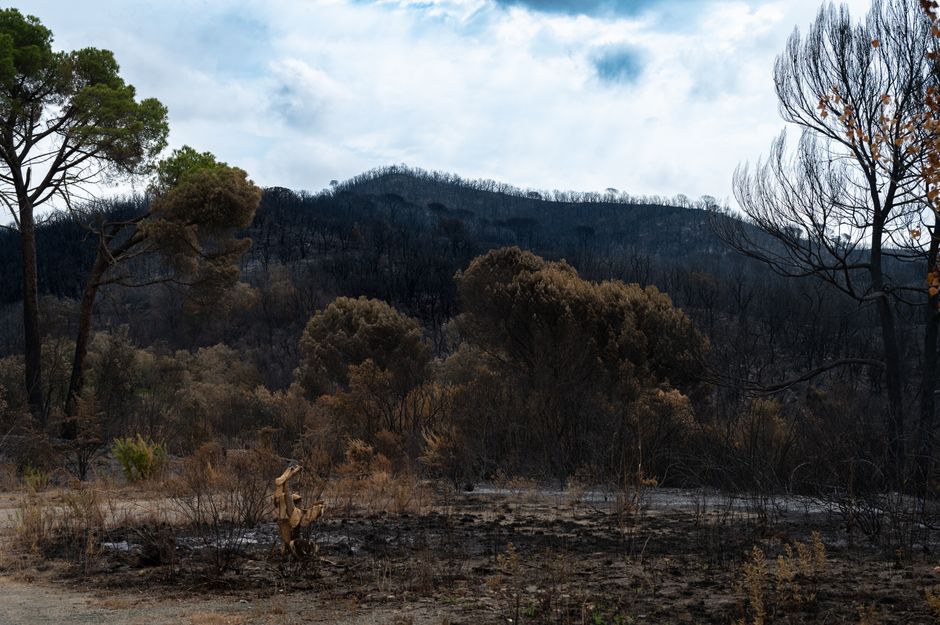
As wildfires tear through drought-parched landscapes across Europe with increasing ferocity, emergency services are confronting a threat that goes far beyond the flames themselves — the exposure of unexploded bombs, shells, and other military ordnance left buried in the ground since the First and Second World Wars.
The combination of prolonged drought conditions and the fires they fuel is stripping away layers of soil, vegetation, and sediment that have concealed lethal wartime remnants for decades. According to reports, the heat generated by intense wildfires can destabilise such munitions, raising the risk of accidental detonation and creating dangerous conditions for firefighters working on the front lines who may have no indication of what lies beneath their feet.
Europe’s soil holds an extraordinary and largely invisible legacy of 20th-century conflict. Estimates have long suggested that millions of unexploded shells and bombs remain scattered across the continent, particularly in areas that saw heavy fighting in Belgium, France, Germany, Poland, and parts of southern and eastern Europe. While specialist teams regularly recover and dispose of such items, the sheer volume of ordnance buried across the continent means that new discoveries remain routine — and wildfires are accelerating that process in unpredictable ways.
Shrinking Rivers Adding to the Problem
The danger is not confined to fire-scorched hillsides. Europe’s worsening drought conditions have also caused river levels to drop dramatically in recent years, exposing objects that have lain submerged for generations. According to reports, receding waters have brought to light German warships, at least one Wehrmacht-era motorbike, and explosive devices in various locations across the continent. Each discovery requires careful assessment by bomb disposal experts before any recovery operation can proceed safely.
The emergence of these artefacts presents a dual challenge for authorities. On one hand, they represent genuine public safety hazards that demand urgent, specialised responses. On the other, they serve as striking physical reminders of conflicts that shaped the modern European order — raising questions about historical memory, site preservation, and the responsibilities of states toward this buried inheritance.
Officials have urged the public to treat any unfamiliar metallic or cylindrical objects discovered in the countryside or along riverbanks with extreme caution, and to report finds to local authorities immediately rather than attempting to handle or move them. Even munitions that have been in the ground or underwater for 80 years or more can remain capable of detonating under the right conditions, according to ordnance disposal specialists.
The growing frequency of such discoveries reflects a broader pattern. Climate scientists have consistently warned that southern and central Europe will experience more frequent and more intense droughts as global temperatures rise, leading to longer wildfire seasons and lower river levels. If those projections are correct, the uncovering of wartime remnants is likely to become an increasingly common occurrence — one that emergency services, historians, and policymakers will need to address together as part of a coherent long-term strategy.