EU Steps Up Ebola Response With Fresh Humanitarian Support as Outbreak Spreads in Central Africa
The European Commission announced on 8 June 2026 a significant escalation of its emergency response to a worsening Ebola outbreak in Central Africa, deploying health experts and additional humanitarian funding as the virus spreads beyond initial containment zones. The new measures, coordinated through the EU’s Civil Protection and Humanitarian Aid Operations (ECHO), represent Brussels’ most substantial intervention in the region since the outbreak was first detected several weeks ago.
The decision to mobilise the EU’s emergency response mechanisms comes as health authorities in affected countries reported cases appearing outside the original outbreak perimeter, raising concerns about potential regional spread. Commission officials indicated that the additional support package includes both immediate financial assistance and the deployment of specialized medical personnel with expertise in hemorrhagic fever management and epidemic control.
“The European Union is committed to supporting our partners in Central Africa during this critical health emergency,” a Commission spokesperson stated. “We are working closely with national health authorities, the World Health Organization, and humanitarian partners on the ground to ensure a coordinated and effective response to contain this outbreak before it can spread further.”
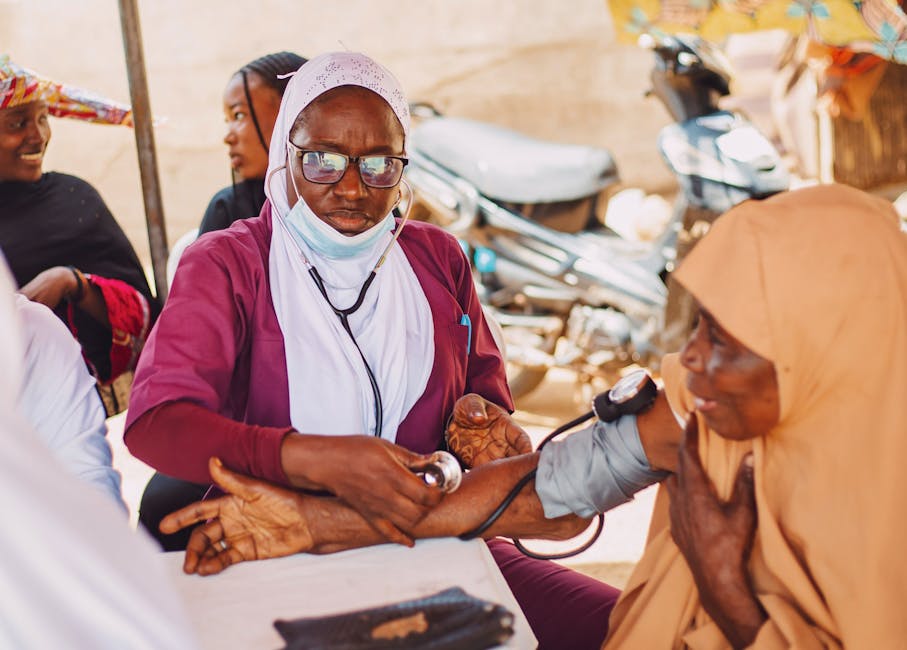
The ECHO deployment encompasses epidemiologists, infection prevention specialists, and logistics coordinators who will work alongside local health systems to strengthen surveillance, contact tracing, and treatment capacity. The emergency funding will support the establishment of treatment centers, provision of medical supplies and protective equipment, and community awareness campaigns essential to controlling transmission in affected areas.
While Commission officials declined to specify the exact financial commitment pending final approval procedures, sources familiar with the matter indicated the package would constitute one of the larger emergency health responses undertaken by the EU in recent years. The intervention builds on existing EU health security cooperation with African partners and leverages established mechanisms for rapid response to infectious disease threats.
The Ebola response announcement came during a particularly active week for EU health and justice policy, as the Commission simultaneously unveiled updates to its joint clinical assessments framework and introduced strengthened legislation on victims’ rights. The convergence of these initiatives underscores the EU’s broader effort to enhance its crisis response capabilities and legal protections across multiple domains, though officials emphasized each measure addresses distinct policy priorities.
As the outbreak continues to evolve, European health security officials are monitoring the situation closely for any indication that additional measures may be required. The EU has previously played a significant role in international Ebola responses, including during the major West African epidemic of 2014-2016, and maintains robust protocols for coordinating member state resources during public health emergencies. The coming weeks will prove critical in determining whether current containment efforts can successfully limit transmission and prevent the outbreak from developing into a broader regional health crisis.