
EU Parliament to vote on gene-editing, circular economy rules
The European Parliament will vote on three significant pieces of legislation during its 15-18 June plenary session in Strasbourg, as Brussels pushes to complete key files before the summer recess. The votes, which come alongside a controversial decision on a trade deal with the United States, represent some of the most consequential regulatory decisions of the parliamentary term.
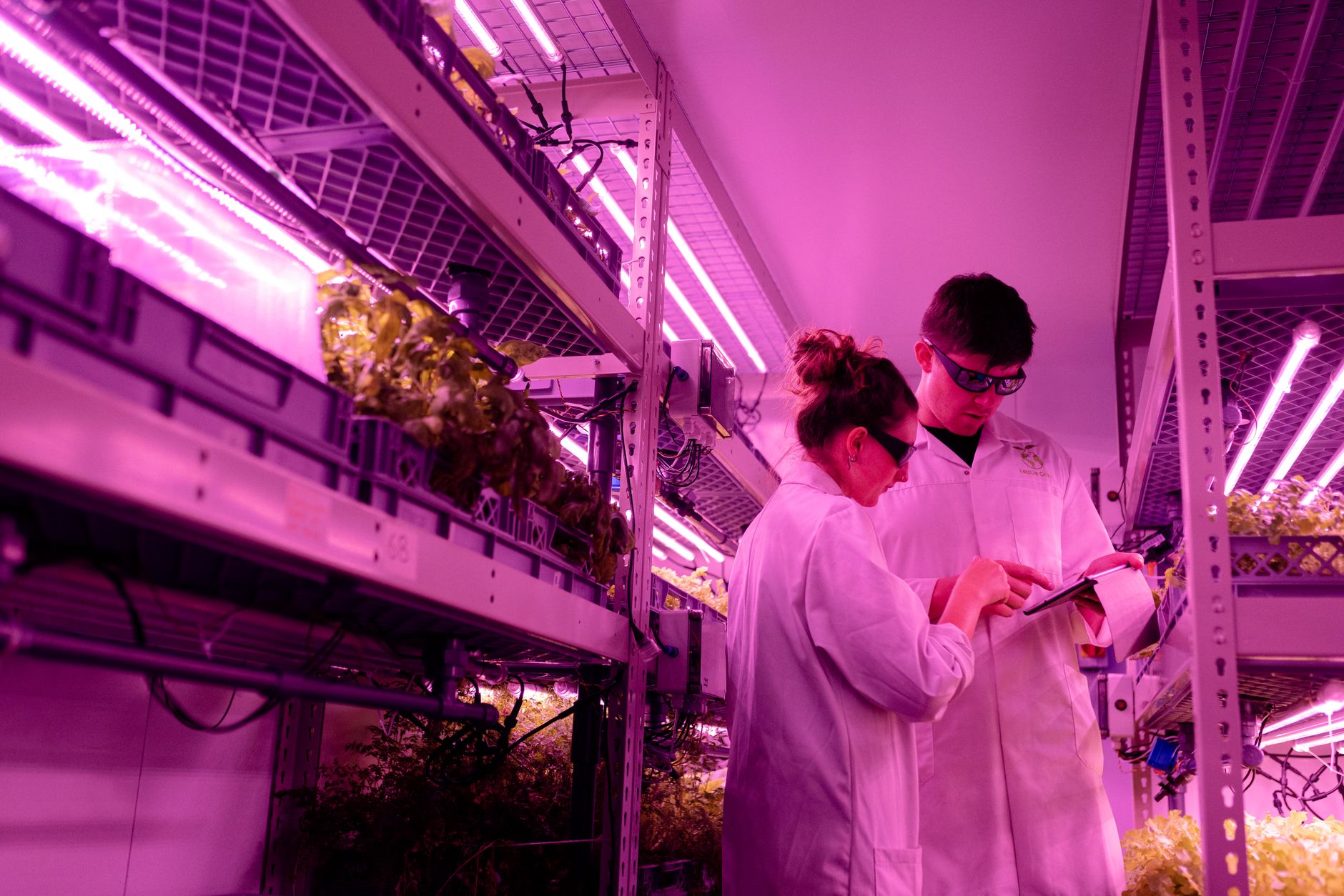
At the forefront is the New Genomic Techniques regulation, which will establish the European Union’s framework for plants obtained through gene editing technologies such as CRISPR. The final vote follows months of deliberation over how to balance innovation in agriculture with precautionary principles that have long guided EU biotechnology policy.
The regulation creates a two-tier classification system designed to differentiate between various levels of genetic modification. Plants categorised as NGT1, which are deemed equivalent to those that could have been produced through conventional breeding methods, will largely escape the stringent authorisation procedures currently applied to genetically modified organisms. The second category, NGT2, covers plants with more targeted and extensive modifications, and these will remain subject to the existing authorisation framework.
Farming organisations and the biotechnology industry have thrown their support behind the reform, arguing that gene-editing techniques can accelerate the development of drought-resistant crops and varieties requiring fewer pesticides. They maintain that the technology is essential for meeting the EU’s climate adaptation goals and ensuring food security in an era of increasing environmental pressures. However, several environmental groups have voiced concerns about what they characterise as an inadequate regulatory approach, particularly regarding traceability and labelling requirements for NGT1 products.
The session will also see MEPs cast their votes on circular economy rules specifically targeting the automotive sector. The new regulation establishes mandatory targets for recycled content in vehicles and comprehensive end-of-life vehicle management protocols. Under the agreed framework, manufacturers will be required to incorporate minimum percentages of recycled steel, aluminium and plastics into new cars by specified deadlines. The measures form part of the EU’s broader strategy to reduce waste, lower carbon emissions from manufacturing processes, and decrease dependence on virgin raw materials.
Industry representatives have acknowledged that meeting the recycled content targets will require substantial investment in collection, sorting and processing infrastructure. Some smaller manufacturers have expressed concerns about the costs of compliance, though major automotive groups have generally accepted the direction of travel, with several having already announced investments in recycling facilities.
Parliament and Council negotiators are currently working this week to finalise agreement on a third file concerning digital reporting formats for EU companies. The proposed framework would expand the use of standardised digital formats for corporate reporting obligations, a move intended to reduce administrative burdens and improve data comparability across member states. If agreement is reached in time, MEPs may vote on the compromise text during next week’s session.
The concentration of votes reflects the Parliament’s determination to advance major legislative priorities before the summer break. Strasbourg hosts twelve plenary sessions annually, and June typically marks the final full session before the parliamentary recess. The clustering of significant votes on gene editing, automotive recycling, digital reporting and transatlantic trade underscores the breadth of the EU’s regulatory agenda and the pressure to deliver concrete results before MEPs return to their constituencies.