Securing energy and trade flows in geo-economic conflicts
The weaponization of trade chokepoints, from the 2022 gas crisis to the 2026 Hormuz closure, forces a rethink of energy and supply-chain security.

Macro, markets, ECB, trade, fiscal policy
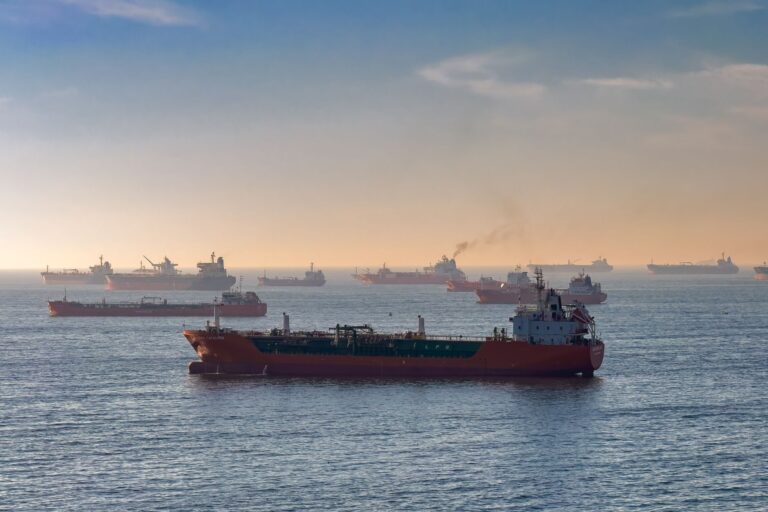
The weaponization of trade chokepoints, from the 2022 gas crisis to the 2026 Hormuz closure, forces a rethink of energy and supply-chain security.

France’s 10-year borrowing rate hit 4.94%, its highest since 2002, amid political uncertainty and record public debt.

A new global ranking places two European nations in the top ten for tax conditions welcoming to international residents, while Germany’s complex and high-rate system earns it the last position in the index.
With 90 million EU citizens living with disabilities, policymakers and analysts are making the case that accessibility is not just a social obligation but a significant and largely untapped driver of European economic growth.
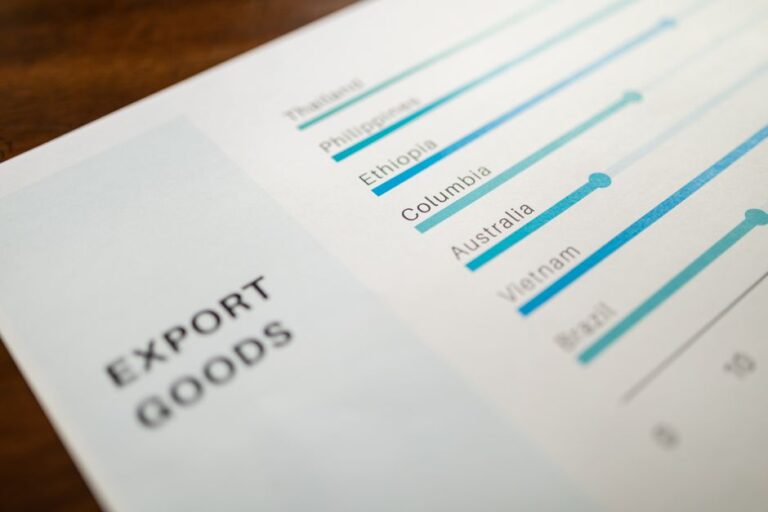
The OECD has lifted its 2026 global growth forecast to 2.9%, crediting better-than-expected energy market adjustment since the Iran war began, while cautioning that inflation, bond yields and conflict risks remain significant threats to the outlook.

A new industry report estimates the EU is spending €270 million more per day on road fuels compared to pre-crisis levels, with diesel costs hitting ordinary drivers and long-haul truckers especially hard.
The Eurosystem’s new ‘Pontes’ platform allows banks to settle tokenised asset trades in central bank money, with the ECB committing its own funds to the initiative as Europe pushes to modernise its financial infrastructure.

New research highlights dramatic disparities in the cost of raising a newborn across European countries, with some parents shouldering a far heavier financial burden than others when essential baby products are measured against local wages.

The Bank of Japan has raised its benchmark interest rate to 1.25%, the highest level in over three decades, continuing its historic shift away from ultra-loose monetary policy as inflation remains a persistent concern.

The Bank of England held its key interest rate at 3.75% following a 6-3 committee vote, as inflation rose to a five-month high of 3.1%, driven partly by an energy shock linked to the conflict involving Iran.