ECB holds rates at 2 percent as it weighs Iran war impact
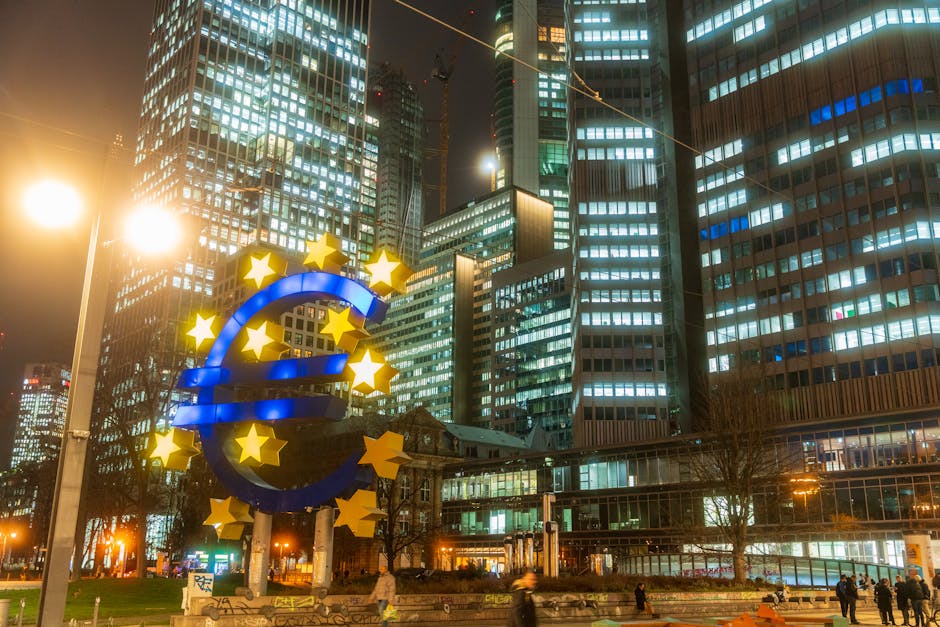
The European Central Bank kept its key interest rates unchanged at its 30 April 2026 meeting, leaving the deposit facility rate at 2 percent for a tenth consecutive month. The decision, in line with the unanimous expectation of economists surveyed by major financial outlets, reflects the ECB’s wait-and-see approach as it assesses the economic fallout from the Iran war and decides whether to raise rates again later this year.
The decision in context
The deposit facility rate has stood at 2 percent since June 2025, when the ECB concluded its previous easing cycle. Since then, the central bank has paused, citing rising uncertainty driven by geopolitical shocks, energy price volatility and divergent forecasts on inflation. Eurozone inflation reached 3 percent in April 2026, well above the ECB’s 2 percent medium-term target, while in the United Kingdom the figure stood at 3.3 percent in March, both reflecting the impact of higher energy prices.
Why the hold rather than a hike
Markets had earlier priced in interest rate hikes by the ECB and the Bank of England in response to the outbreak of the Iran conflict, but economists now expect policymakers to look through what the Bundesbank’s Joachim Nagel called a layer cake of shocks and keep rates on hold for longer. ECB President Christine Lagarde signalled in March that the central bank stood ready to raise rates if the inflation overshoot proved persistent, but recent communications have leaned toward emphasising optionality and data dependence rather than pre-committing to a path.
What to watch next
Investors are currently pricing in approximately 50 basis points of tightening by the end of the year, with potential rate hikes in June or July. The decisive factor will be whether second-round effects materialise, including rising inflation expectations, accelerating core inflation and a resilient labour market. The reopening of the Strait of Hormuz remains a critical variable, as Nagel described it the heel of the world economic system. Without significant new energy price shocks, the ECB is expected to retain its cautious stance through the summer.