EU leaders struggle to find common ground on 2028-2034 budget
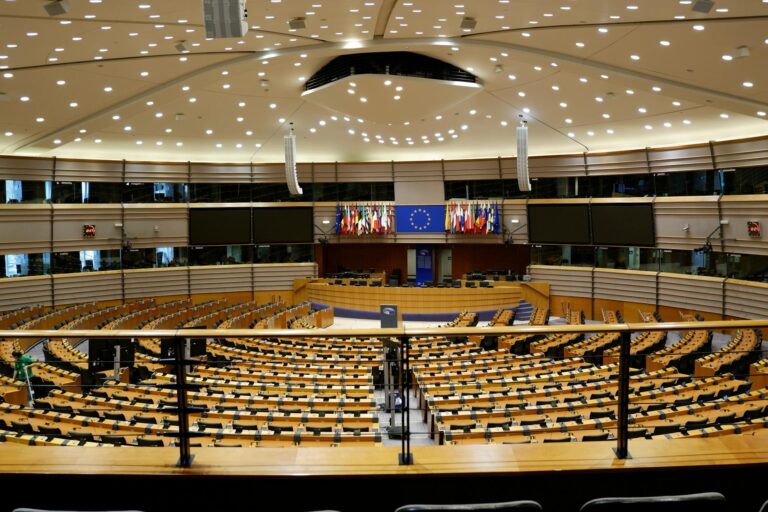
European Union leaders, meeting in Brussels on 15 October for their first face-to-face talks on the 2028–2034 budget, failed to reach a consensus. Ireland’s latest negotiation proposal, which suggested cuts of up to €141 billion from the long-term budget—about 8 percent less than the European Commission’s plan—was rejected. The proposal, presented during Ireland’s symbolic EU Council presidency, did not satisfy any member state, albeit for different reasons.
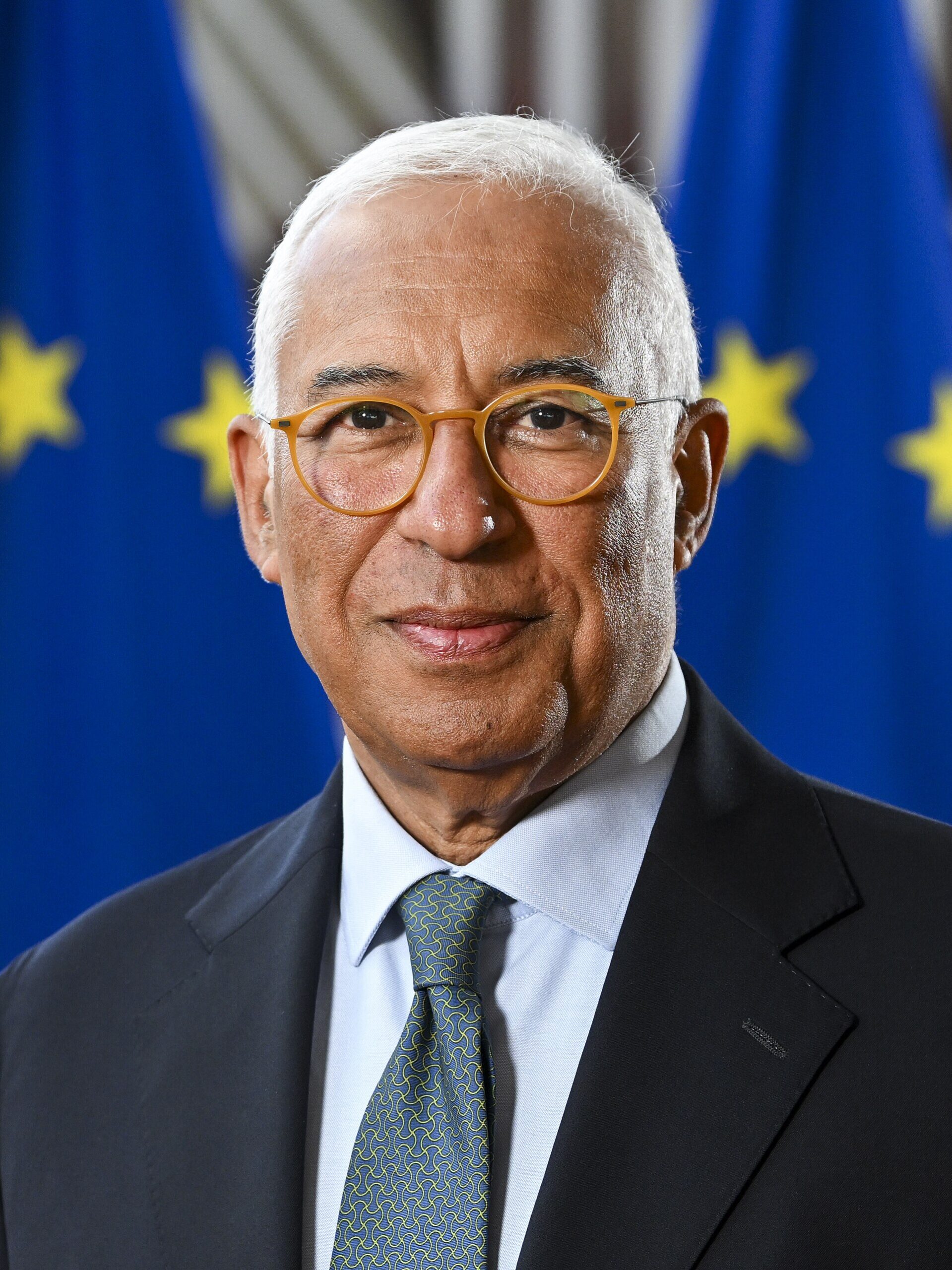
EU Council President António Costa has been tasked with delivering a new compromise before leaders reconvene on 26 November. The goal is to strike a deal during the December summit. An EU official said Costa deemed a December deal “essential” and urged EU capitals “to assume their responsibility”. Danish Prime Minister Mette Frederiksen warned, “It will probably be as difficult as it was last time or even more difficult.” German Chancellor Friedrich Merz added, “We need unanimity in the Council. We are far from that unanimity.”
The bloc is divided into two camps. The so-called frugal states—Germany, Austria, Denmark, Finland, the Netherlands, and Sweden—want several hundred billion more in cuts, mostly from agriculture and cohesion funds. In contrast, 17 member states, self-named the Friends of Cohesion, criticise such savings. Denmark’s priority is more funds for defence, borders, illegal migration, and competitiveness.
Time is of the essence, especially for French President Emmanuel Macron. France holds presidential elections in the spring, and if far-right National Rally leader Marine Le Pen wins, she has pledged to halve France’s contribution to the EU budget. Macron reportedly told fellow leaders in the room that from January onwards, there would be no political room for agreement.