Green MEPs push for EU-wide tax on oil and gas windfall profits amid Iran crisis
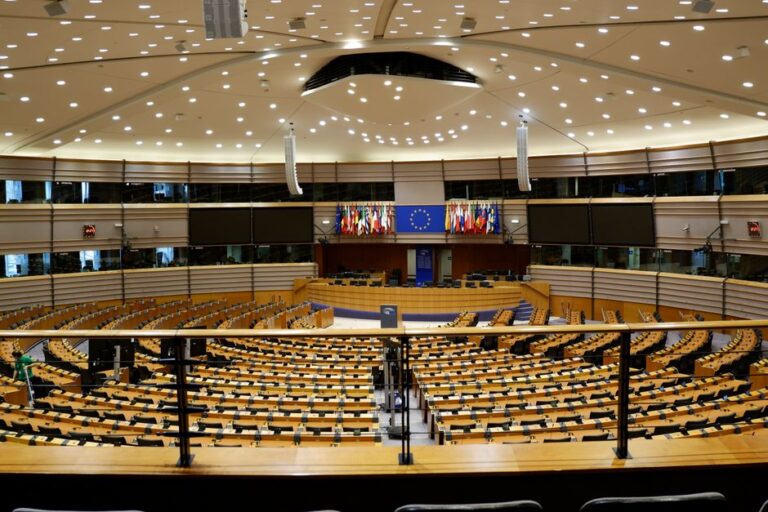
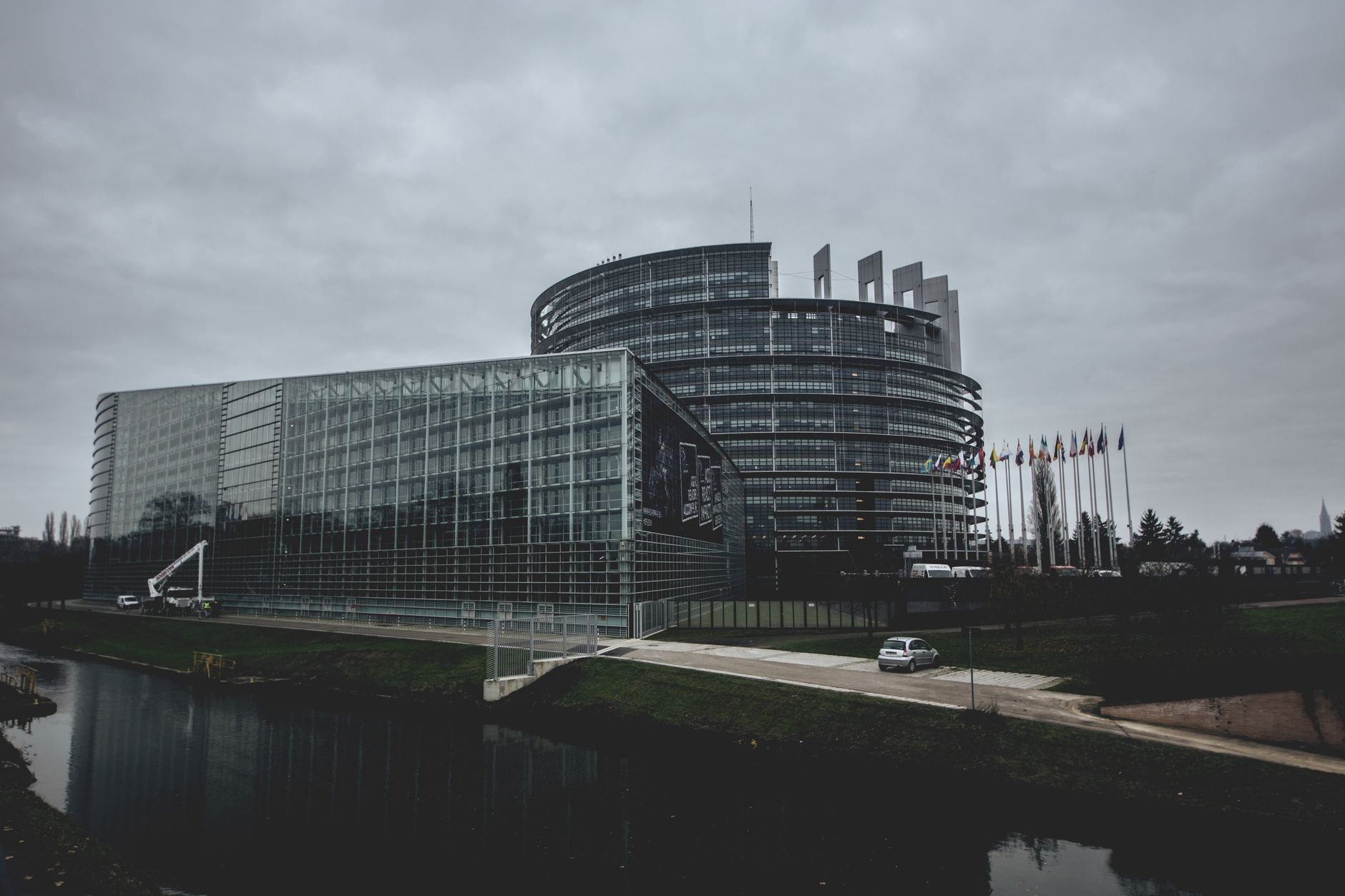
Green party members in the European Parliament are urging the European Commission to apply a mechanism previously used during the Ukraine war to tax extraordinary earnings of major oil and gas corporations as the conflict in Iran continues. German MEP Rasmus Andresen stated in Strasbourg on Wednesday that Europe already has frameworks to levy such super profits. He spoke during a parliamentary debate following an August letter from six member states to Ireland’s finance minister, which called for a bloc-wide approach to windfall taxation.
National levies and EU divisions
Ireland, which currently holds the rotating EU presidency, can influence the Council agenda until the year’s end. Several of the six signatory countries have introduced their own windfall taxes since the summer, with rates varying from 60 percent on excess fuel profits in Poland to 33 percent in Portugal. However, many other EU states oppose a European-level tax, and any such measure would need unanimous approval from all 27 capitals.
Andresen expressed frustration that the Commission has not acted despite the initiative from these member states. NGO Transport and Environment estimates that eight oil companies alone saw excess profits of €7.5 billion in the first half of 2026 in Europe, double the previous quarter. Left-wing groups in Parliament recalled that the EU adopted a special solidarity tax on oil and gas firms after Russia’s full invasion of Ukraine in 2022, which raised €28 billion in 2022-2023.
Thomas Byrne, a senior official representing the Irish presidency, said windfall taxes could address concerns about the rising cost of living. But Energy Commissioner Dan Jørgensen played down the prospect of EU-level action, noting that corporate taxation falls mainly under national competence. Green MEP Marie Toussaint suggested that taxing Iran-related profits could finance Europe’s energy transformation, asking how oil companies can be exonerated from responsibility for price rises at the pump.