Shell Expects Refining Margins to Nearly Double as Fuel Prices Soar
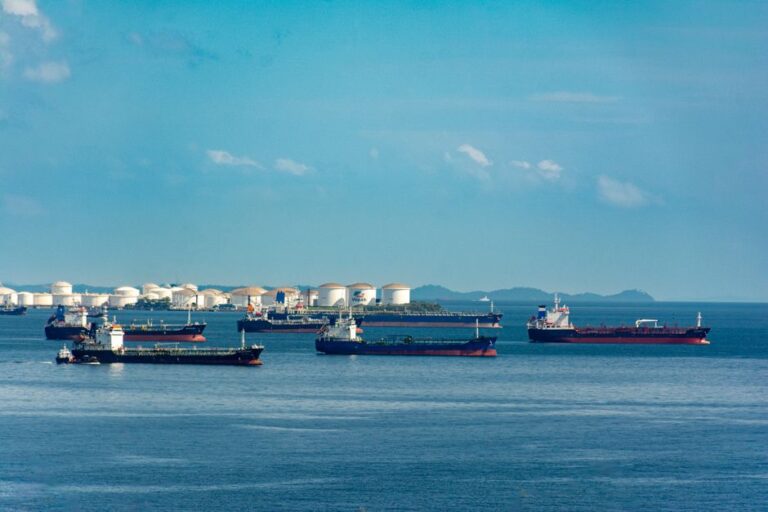
Shell has forecast that its refineries will earn a profit of $42 per barrel of fuel in the July–September period, up from $24 in the previous quarter and well above the prior record of about $28 set during the early months of the Russia-Ukraine war. The sharp increase reflects a widening gap between refined fuel prices—especially diesel—and the cost of crude oil, which has eased to around $100 a barrel following a partial recovery in Gulf oil exports. Damage to refineries in the Middle East and Russia has kept fuel prices climbing even as crude has retreated. This dynamic is expected to deliver larger profits for refineries, particularly those in the United States and Europe. Shell operates some of Europe’s largest refineries, and the company’s market value reached a record £36.23 per share at the end of last month.
Middle East Crisis and Gas Production
The Middle East crisis has also affected Shell’s gas operations. A key gas processing facility in the Gulf was severely damaged, reducing prewar production of 900,000 barrels of oil equivalent per day by a third. Shell now expects gas production of about 740,000–780,000 barrels of oil equivalent per day after completing its acquisition of Canada’s ARC Resources in early September. The deal is expected to add about 370,000 barrels per day to Shell’s oil and gas production and contributes a month’s worth of output to the quarter’s estimates.
European gas prices have surged, with the benchmark index more than doubling to €70.50 in August and averaging almost €64 per megawatt-hour in the third quarter. This has lifted Shell’s earnings, which reached almost $10 billion in the second quarter of 2026—more than double the same period last year and the second highest quarterly profit on record. TotalEnergies, which has the continent’s largest refining capacity, has also benefited. Chief executive Patrick Pouyanné said at an industry conference in London this week: “We’re doing really well by being integrated. Integration means your refineries in Europe, which you thought were liabilities, are suddenly becoming goldmines.”