Norway’s EV Revolution Has a Chinese Accent — and Consumers Seem Fine With That
Norway has long been the world’s most electrified car market, but the country’s green transport success story is increasingly being written in Mandarin. Despite mounting geopolitical unease about Chinese technology and trade practices across Europe, Norwegian consumers are continuing to embrace electric vehicles produced by Chinese-owned manufacturers at a striking rate, raising questions about the tension between economic pragmatism and security concerns.
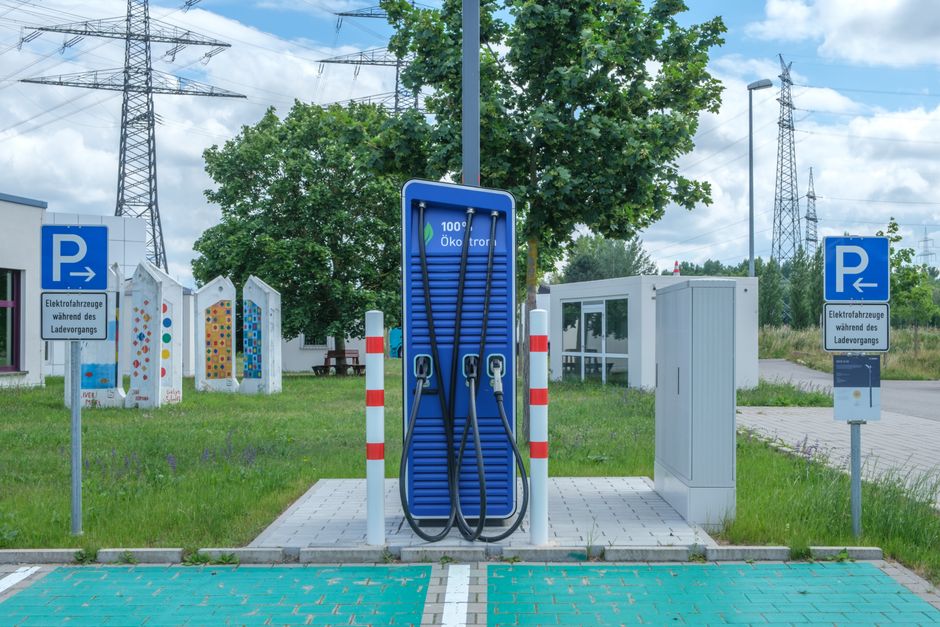
Electric vehicles now account for more than 95% of all new car registrations in Norway, a penetration rate unmatched anywhere else on the planet. Within that remarkable figure lies another telling statistic: roughly one in four newly registered EVs in the country comes from a brand that is either fully or partly owned by Chinese interests, according to reports from industry observers tracking the market.
The reasons behind this consumer preference are not difficult to identify. Chinese-manufactured electric vehicles have earned a reputation for offering competitive specifications — range, technology features, and interior quality — at price points that established European and American rivals have so far struggled to match. For Norwegian buyers, many of whom have already embraced EV ownership as a default rather than a novelty, value for money appears to be the primary driver of purchasing decisions.
Security Concerns Sit Uneasily Alongside Showroom Appeal
The trend, however, is not without controversy. Across the European Union, policymakers have grown increasingly wary of Chinese automotive expansion, with Brussels moving to impose additional tariffs on Chinese-made electric vehicles last year, citing concerns over state subsidies distorting fair competition. Norway, as a non-EU member despite its close economic ties to the bloc through the European Economic Area, is not bound by those tariffs, leaving its market comparatively open to Chinese brands.
Beyond trade policy, broader questions about data security and critical infrastructure dependency have entered the debate. Modern electric vehicles collect substantial quantities of data — on driving habits, locations, and user behaviour — and critics have argued that vehicles connected to manufacturers based in or answerable to Beijing present risks analogous to those raised around other Chinese technology products. Authorities in several European countries have begun examining these concerns more closely, though concrete regulatory responses in the EV sector remain limited.
Norwegian officials and consumer groups have generally stopped short of recommending against purchasing Chinese brands, and public sentiment does not appear to have shifted dramatically against them. For many buyers, the immediate financial calculus — lower purchase price, lower running costs, and Norway’s generous EV incentive framework — outweighs abstract geopolitical anxieties.
The situation places Norway in an awkward position as a country deeply committed both to green transition goals and to its Western alliances. Its consumers are, in effect, voting with their wallets in a way that complicates a broader European industrial narrative which holds that the rise of subsidised Chinese EVs represents a strategic threat to be resisted rather than a bargain to be welcomed.
Whether Norwegian buying habits will shift if European-level pressure intensifies, or if security concerns become more tangible, remains to be seen. For now, the showrooms tell their own story: in the world’s most electric car market, the most affordable path to zero emissions increasingly runs through China.