Spectacle and Stagnation: The UN General Assembly’s Enduring Contradictions
Each September, the United Nations headquarters in New York becomes the temporary capital of global diplomacy, drawing heads of state, foreign ministers, and legions of officials for what is formally known as the General Debate of the UN General Assembly. It is an occasion that inspires awe and exasperation in roughly equal measure — a vast ceremonial gathering that critics and admirers alike struggle to define with any single, satisfying word.
The annual event, commonly referred to as UNGA, has long occupied an unusual place in the international calendar. For the world’s most powerful leaders, it offers a rare opportunity to hold dozens of bilateral meetings within the span of a few days, compressing months of diplomatic groundwork into a single, frenetic week. For smaller nations, it represents one of the few forums where a head of government can command a global audience, however briefly, and place their country’s concerns on an international stage.
Yet for all its symbolic weight, the assembly’s main plenary sessions have acquired a reputation for theatrical excess and institutional inertia. Speeches routinely run long, decorum is tested, and the sheer volume of addresses — with each of the 193 member states entitled to speak — means that the proceedings can stretch across days, losing momentum and media attention along the way.
Diplomacy Behind Closed Doors
According to reports from journalists and observers who cover the event annually, much of the meaningful diplomacy at UNGA takes place not in the gilded chambers of the General Assembly hall, but in the corridors, hotel suites, and side-event rooms that surround it. The formal speeches, while necessary, are widely understood to be performances aimed at domestic audiences as much as at fellow delegates.
This gap between spectacle and substance has long been a source of frustration within diplomatic circles. Officials from several European delegations have noted in recent years that the sheer logistical complexity of the week — the motorcades, the security cordons, the competition for bilateral meeting slots — can overshadow the substantive work that the gathering is meant to facilitate.
The assembly also has a well-documented tradition of providing a platform to leaders whose rhetoric sits far outside the mainstream. Figures known for provocative or eccentric addresses have used the podium over the decades to deliver speeches that generated headlines for the wrong reasons, reinforcing the perception that UNGA can, at times, resemble a global version of a town hall meeting that has lost its agenda.
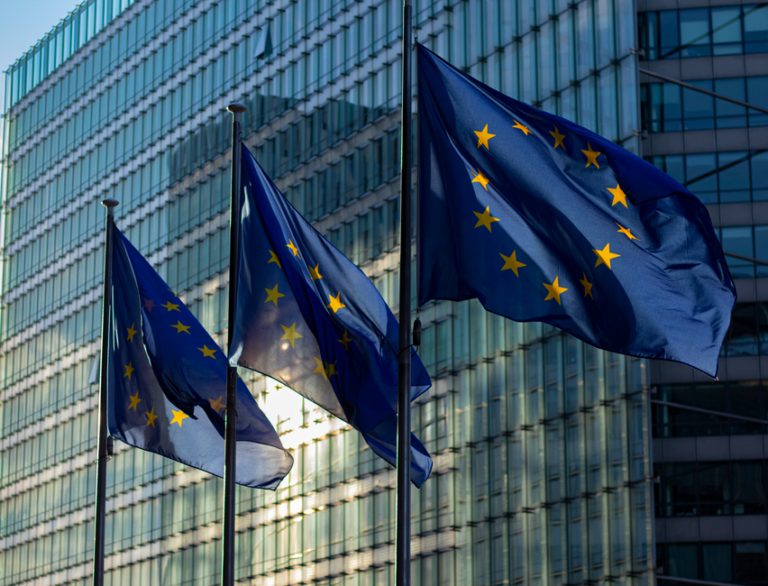
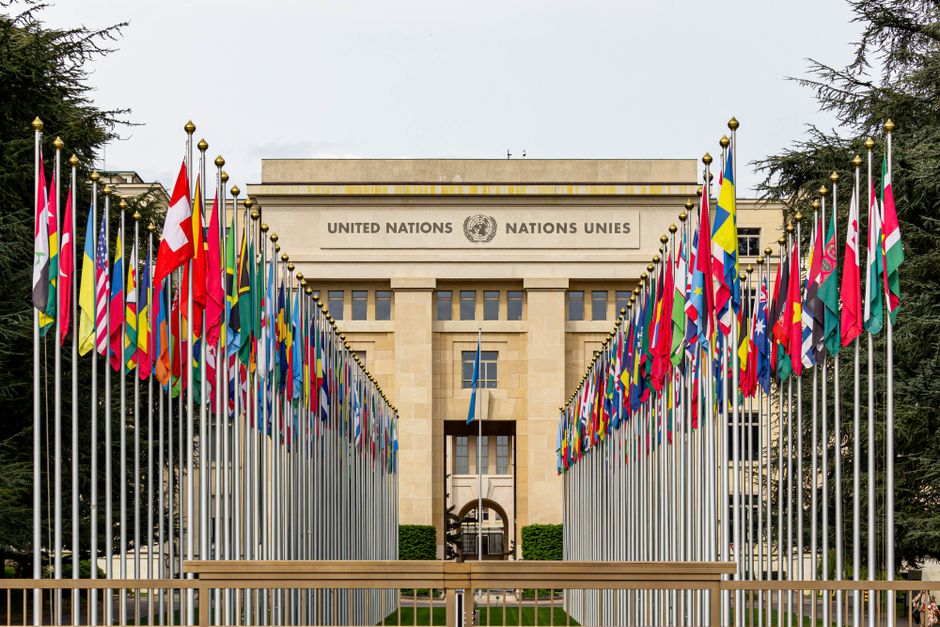
Despite these tensions, defenders of the institution argue that its value lies precisely in its universality. No other forum gathers representatives of every recognised nation under one roof, and the informal networks built during UNGA week are credited with laying the groundwork for agreements that are formally concluded elsewhere. For European delegations in particular, the assembly serves as a critical moment for coordinating positions ahead of the autumn legislative season at institutions including the EU and the Council of Europe.
Whether UNGA’s rituals will evolve to meet a more fragmented and impatient world remains an open question. For now, the event endures as it always has — part solemn ceremony, part controlled chaos — reflecting the contradictions of the international system it was created to serve.