Germany’s Missile Reserves Critically Depleted, Warns Rheinmetall Chief
Germany’s stockpiles of missiles and ammunition remain at dangerously insufficient levels, the head of one of Europe’s largest defence manufacturers has warned, adding urgency to calls for a sweeping acceleration in weapons production across the continent.
Armin Papperger, chief executive of German defence giant Rheinmetall, told Euronews that the country’s missile inventories are in a troubling state and that the pace of manufacturing must increase dramatically to meet both domestic defence needs and broader NATO commitments. The comments add to a growing chorus of concern from defence industry leaders and military officials about Europe’s readiness in an increasingly volatile security environment.
Germany has faced sustained scrutiny over its defence spending and preparedness since Russia’s full-scale invasion of Ukraine in 2022, which triggered a landmark policy shift in Berlin — the so-called Zeitenwende, or turning point — and a pledged overhaul of the Bundeswehr’s capabilities. Despite significant budget increases and high-profile procurement announcements, questions persist about whether industrial output can keep pace with the scale of demand.
Rheinmetall Eyes Expansion Beyond Traditional Weaponry
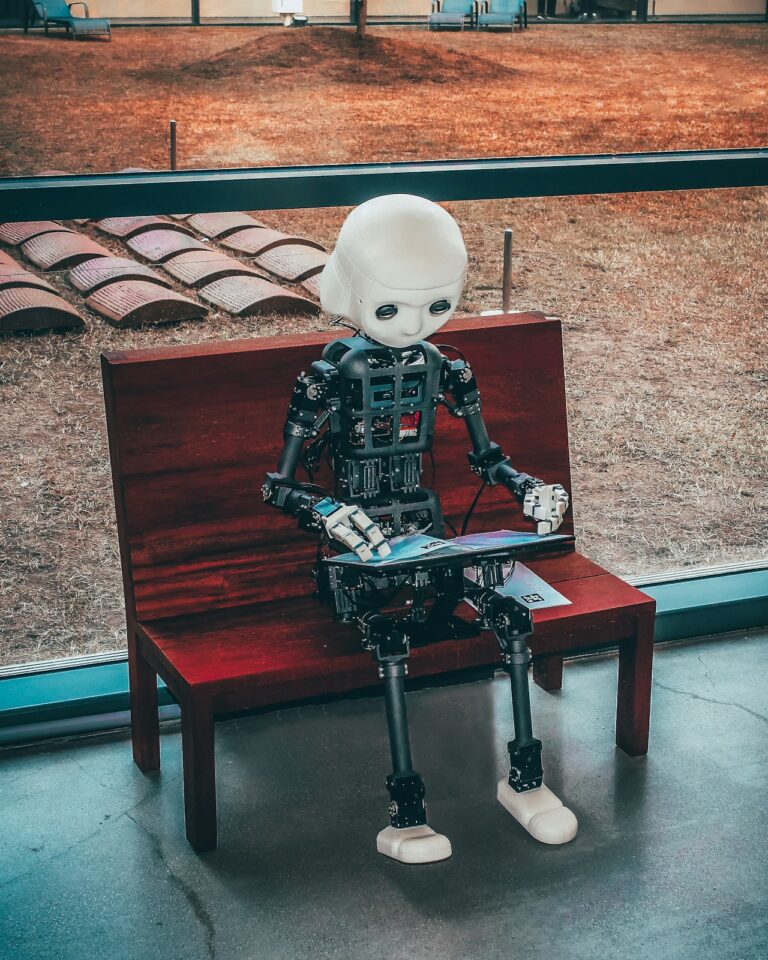
Beyond the immediate shortfall in conventional munitions, Papperger outlined an ambitious broader strategy for Rheinmetall that stretches well beyond its traditional product lines. According to reports from the interview, the company is developing plans that encompass cruise missile technology, humanoid robotics, and space-based systems — a signal that Europe’s defence sector is repositioning itself as a technology powerhouse as well as a hardware supplier.
The pivot towards advanced technologies reflects a wider trend across the European defence industry, where companies are seeking dual-use applications for military research and development, blurring the lines between defence, aerospace, and emerging tech sectors. Rheinmetall, which has seen its market valuation soar since 2022, appears to be capitalising on the moment to position itself as a vertically integrated defence and technology group.
The urgency of Papperger’s remarks comes at a sensitive political moment. European governments are under pressure from both Washington and within NATO to demonstrate greater self-sufficiency in defence, particularly as uncertainty surrounds the long-term posture of the United States towards the alliance. Several European leaders have in recent months called for the continent to take primary responsibility for its own security architecture.
Germany, as Europe’s largest economy and a central NATO member, carries particular weight in these discussions. Critics have argued that while political will has improved since 2022, bureaucratic procurement processes and a historically cautious approach to defence spending have slowed the translation of commitments into operational capability. The missile stockpile warning from Rheinmetall’s chief executive is likely to intensify pressure on Berlin to expedite both procurement contracts and the regulatory environment surrounding domestic production.
For Rheinmetall, the public intervention by its CEO serves a dual purpose: highlighting a genuine security gap while simultaneously making the case for increased government contracts and sustained investment in domestic manufacturing capacity. The company has already announced factory expansions within Germany and across partner nations in recent years, but industry observers note that supply chains for critical components remain stretched. Whether political momentum translates into sufficient production capacity in time to address the current shortfall remains an open and pressing question for European security planners.