Oil Prices Surge Above $108 as Hormuz Attack and Saudi Pipeline Closure Shake Energy Markets
Global oil prices surged to their highest levels in months on Monday, with Brent crude breaking above $108 per barrel following a violent incident in the Strait of Hormuz and the abrupt closure of a major Saudi Arabian pipeline, sending shockwaves through energy markets already on edge over supply security.
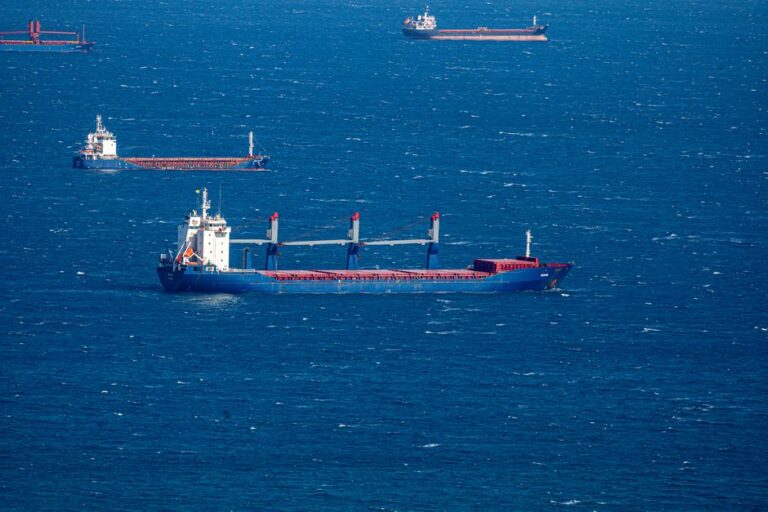
The sharp price increase was triggered by two near-simultaneous developments that traders and analysts said threatened to disrupt some of the world’s most critical petroleum transit routes. A merchant vessel was struck in the Strait of Hormuz — the narrow waterway through which roughly a fifth of global oil supplies pass — killing at least one crew member, according to reports. The attack raised immediate concerns about the safety of commercial shipping in the region.
Compounding the alarm, Saudi Arabia announced it had shut down its main pipeline that runs as an alternative route bypassing the Strait of Hormuz entirely. The pipeline has historically served as a vital contingency artery for Saudi oil exports should the Strait become impassable, making its suspension particularly significant to markets assessing supply risk.
A Critical Chokepoint Under Fresh Pressure
The Strait of Hormuz has long been regarded as one of the world’s most strategically sensitive energy chokepoints. Bordered by Iran to the north and Oman to the south, it serves as the sole maritime outlet for the vast oil and gas exports of Saudi Arabia, Iraq, Kuwait, the United Arab Emirates, and Iran itself. Any sustained disruption to shipping through the waterway would have profound consequences for global energy supply chains and, by extension, consumer prices across Europe and beyond.
Monday’s market reaction reflected the compounded nature of the threat. With both the Strait and the overland pipeline alternative now compromised simultaneously — however temporarily — investors moved quickly to price in a heightened risk premium. Brent crude’s climb above $108 represents a significant uptick that analysts warned could feed through to fuel costs for households and businesses across the continent if tensions persist.
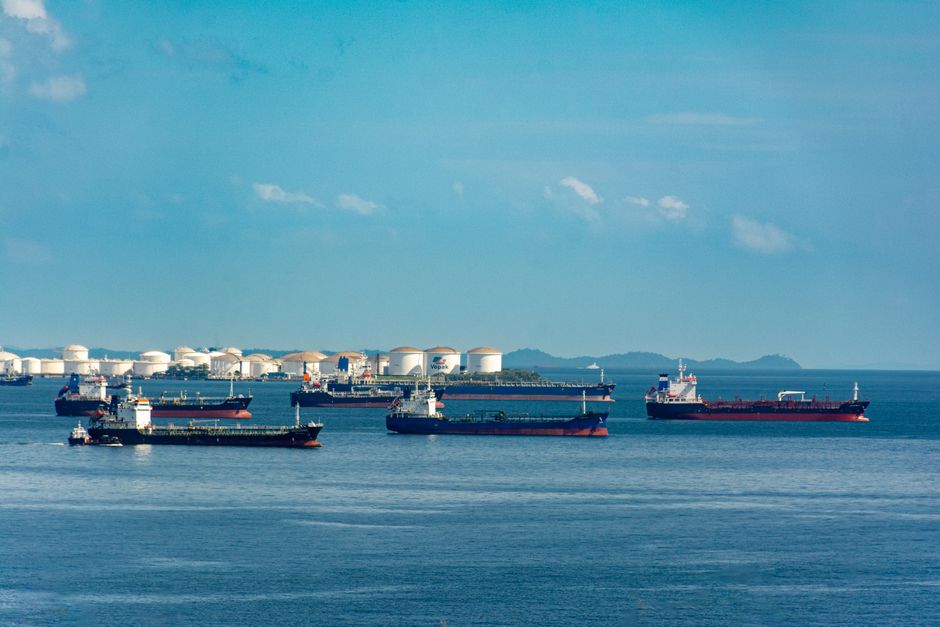
European energy markets, already sensitive following years of supply disruption stemming from the war in Ukraine and the broader restructuring of the continent’s energy imports, are particularly exposed to volatility in Gulf oil flows. Several EU member states continue to rely on Middle Eastern crude as part of their diversified import strategies.
Officials and analysts cautioned that it remained too early to fully assess the medium-term implications of the incidents, with investigations into the ship attack still under way. The identity of those responsible for striking the vessel had not been officially confirmed as of Monday morning, according to reports, though the incident occurred in a region where tensions between Western-aligned nations and Iran have remained persistently high.
Markets will be watching closely in the coming days for any further developments along the Gulf’s shipping lanes, as well as for any indication of when Saudi Arabia intends to resume operations on its suspended pipeline. For now, the twin disruptions have served as a stark reminder of how rapidly geopolitical instability in the Middle East can translate into economic consequences felt far beyond the region.