Serbia and Uzbekistan Forge Closer Ties as Mirziyoyev Makes Historic Belgrade Visit
Serbia and Uzbekistan have elevated their bilateral relationship to a strategic partnership following a landmark visit by Uzbek President Shavkat Mirziyoyev to Belgrade — the first official trip by an Uzbek head of state to the Serbian capital. The visit produced a substantial package of agreements spanning multiple sectors and signalled growing ambitions to deepen economic and logistical links between Central Asia and the Western Balkans.
The two countries signed around 20 separate agreements during the visit, covering areas including transport infrastructure, energy cooperation, digitalisation, and labour mobility, according to reports. Officials on both sides described the meetings as productive and said the signed documents lay the groundwork for a more structured long-term partnership between the two nations.
Free Trade and the Middle Corridor Take Centre Stage
Among the most consequential outcomes of the talks were preparations for a bilateral free trade agreement, which would significantly reduce barriers to commerce between the two countries. While no timeline for finalising such a deal was immediately confirmed, officials indicated that technical work is now underway. A free trade arrangement would be a notable step for both sides, given Uzbekistan’s ongoing economic reform drive and Serbia’s position as a non-European Union country with extensive trade ambitions.
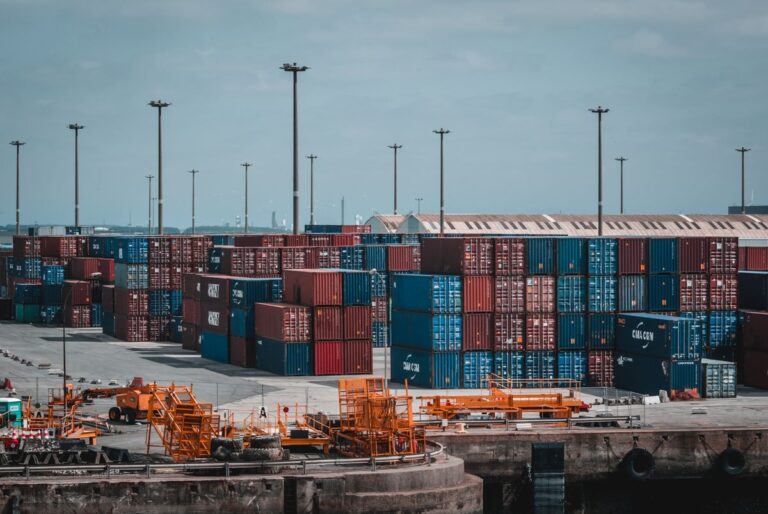
The visit also placed considerable attention on the so-called Middle Corridor — a multimodal transport route connecting Central Asia to Europe via the Caspian Sea, the South Caucasus, and Turkey. Serbia expressed support for the corridor’s development, potentially positioning Belgrade as a western terminus or hub for goods flowing from Uzbekistan and broader Central Asian markets into the heart of the continent. For Uzbekistan, securing European partners along this route is a strategic priority as the country seeks to diversify its trade connections away from traditional northern routes through Russia.
Labour mobility featured as another prominent theme in the discussions. With Serbia facing demographic pressures and workforce shortages in certain sectors, and Uzbekistan managing a sizeable and growing labour force seeking opportunities abroad, agreements in this area could have tangible consequences for both economies. Specific terms and conditions of any labour exchange arrangements were not immediately made public.
The energy component of the signed agreements was also noted by observers, though detailed terms were not disclosed publicly. Uzbekistan has been attracting foreign investment in its energy sector, particularly in renewables, and Serbia has been working to diversify its own energy sources as part of broader European integration commitments.
Mirziyoyev’s Belgrade visit fits into a wider pattern of Uzbek diplomatic outreach across Europe. Tashkent has been actively cultivating relationships with a range of European governments as part of its foreign policy reorientation since reforms began in the country several years ago. Serbia, meanwhile, maintains a distinctive diplomatic profile — it is an EU candidate country but has not joined Western sanctions on Russia and has pursued relations with a broad range of partners globally.
Analysts are likely to watch the follow-through on the agreements closely. The signing of memoranda and cooperation frameworks is a common feature of high-level diplomatic visits, but the translation of such documents into concrete trade flows, infrastructure investment, or worker exchanges will be the true measure of this partnership’s depth. Both governments have nonetheless signalled that they view this visit as the beginning of a more active bilateral chapter.