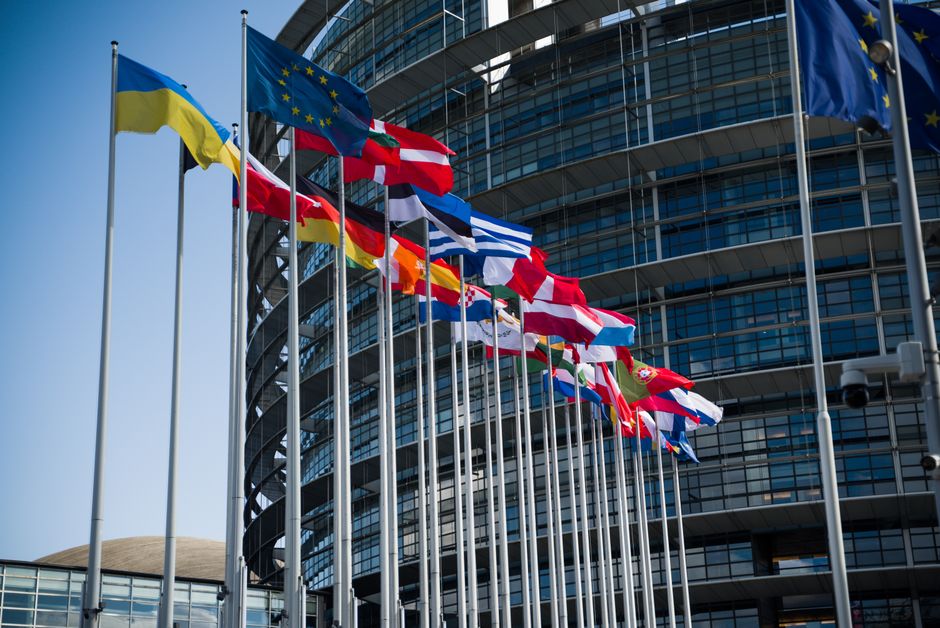
Migration Returns to the Top of Europe’s Political Agenda, Diplomats Warn
Migration is set to reclaim its place at the heart of European Union policymaking, according to senior diplomatic sources, as pressures along multiple border corridors and shifting political winds across member states push the issue back onto institutional agendas in Brussels.
EU diplomats have issued fresh warnings that the relative quiet surrounding migration policy in recent years should not be mistaken for resolution. According to reports, officials working within the bloc’s foreign and interior policy structures have begun signalling to national capitals that a renewed and coordinated response may be necessary in the months ahead.
The caution comes at a moment when several EU governments are facing domestic political pressures tied to border management and irregular arrivals. Far-right and nationalist parties have continued to make electoral gains across the continent, in part by keeping migration at the centre of public debate even during periods when headline arrival numbers appeared to stabilise.
A Perennial Challenge That Refuses to Fade
Migration has long been one of the most divisive policy areas within the European Union, capable of fracturing alliances between member states and testing the limits of solidarity mechanisms. The EU’s landmark Pact on Migration and Asylum, agreed upon after years of fraught negotiations, was heralded as a framework for managing future flows more equitably. However, critics have argued that implementation timelines remain uncertain and that the pact’s provisions have yet to be meaningfully stress-tested by a large-scale movement of people.
Officials said that developments in key origin and transit regions, combined with broader geopolitical instability, are contributing to the renewed sense of urgency. While specific figures were not immediately available, reports suggest that monitoring bodies tracking movement patterns have noted shifts that warrant closer attention from EU institutions and border agencies.
The European Commission and member state governments are expected to revisit migration as a priority item in upcoming council discussions, according to diplomatic sources. There is growing recognition that the political costs of being seen as unprepared — whether by centre-ground governments trying to hold off populist challengers or by eastern flank states concerned about border security — are increasingly difficult to absorb.
For Brussels-based officials and the wider European policy community, the return of migration to the top of the agenda also raises questions about the EU’s capacity to manage competing interests. Calls for greater burden-sharing sit uneasily alongside resistance from several member states that have consistently opposed mandatory redistribution mechanisms. Reaching workable compromises will require considerable diplomatic effort at a time when the EU’s attention is already stretched across multiple crises.
Analysts and policy watchers will be looking closely at how the European Commission frames its upcoming communications on the subject, and whether the political will exists among member states to move beyond declaratory commitments toward concrete operational measures. For now, the message from diplomatic corridors is unambiguous: migration is back, and Europe’s institutions would do well to prepare accordingly.