French Billionaire Olivier Bouygues Stands Trial Over Illegal Hunting of Protected Wildlife
A landmark legal case unprecedented in French judicial history opened this week in Orléans, with construction and media magnate Olivier Bouygues among the defendants facing serious charges related to the illegal hunting of protected animal species. The trial has drawn significant attention across France and beyond, given both the prominence of the accused and the gravity of the environmental offences alleged.
Bouygues, whose personal fortune is estimated at close to €3.2 billion, is one of France’s most recognisable business figures, with family ties to the sprawling Bouygues conglomerate spanning construction, telecoms, and broadcasting. His appearance in the dock on wildlife crime charges marks an extraordinary moment for French conservation law enforcement, which has rarely — if ever — seen an individual of such wealth and standing face prosecution of this nature.
The charges centre on the alleged killing of animal species granted legal protection under French and European environmental legislation. If convicted, Bouygues and his co-defendants could face custodial sentences of up to seven years in prison, according to reports. Prosecutors are expected to present what observers have described as a substantial body of evidence gathered during the investigation, which preceded the trial by a considerable period.
A Test Case for Wildlife Law Enforcement in France
Legal experts and conservation advocates have been watching the proceedings closely, describing the case as a potential watershed moment for the application of wildlife protection statutes in France. Environmental organisations have long argued that laws safeguarding protected species are inconsistently enforced, particularly when powerful or well-connected individuals are implicated. The trial in Orléans is being seen by many in the conservation community as a critical test of whether French justice can operate without deference to wealth or social standing.
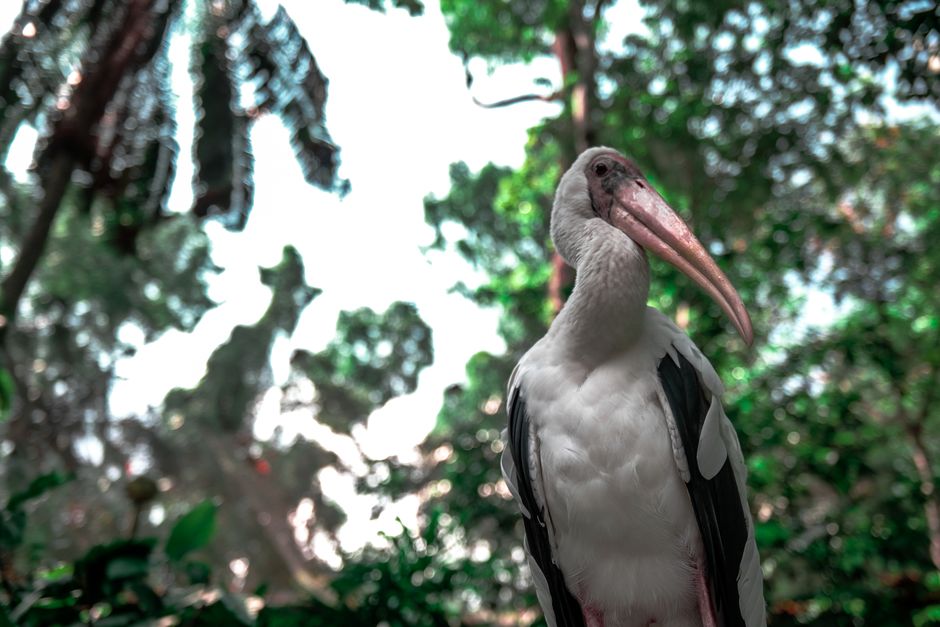
The specific species involved and the precise circumstances of the alleged offences have not been fully confirmed in public filings available at this stage of proceedings, though reports indicate the case involves birds or animals whose populations are considered vulnerable and whose killing is prohibited under both national legislation and broader European Union directives designed to preserve biodiversity.
France has faced sustained criticism from environmental groups in recent years over the pace of its efforts to curb illegal hunting and poaching. The country has a deeply embedded hunting culture, and debates over the boundaries of legal and illegal practice have periodically generated political controversy. High-profile prosecutions, however, have remained comparatively rare, making the Orléans trial all the more significant in terms of public and institutional scrutiny.
The other defendants standing trial alongside Bouygues have not been widely named in available reporting, though officials confirmed that multiple individuals are involved in the proceedings. The duration of the trial has not been publicly specified, and a verdict is not expected immediately. Should convictions be returned, sentencing could set a notable precedent regarding how French courts treat environmental crimes committed by individuals at the highest levels of society — a message that conservation advocates say is long overdue.