Malta Jury Acquits Businessman Accused of Masterminding Daphne Caruana Galizia’s Assassination
A Maltese jury has acquitted the businessman long suspected of orchestrating the 2017 car bomb murder of investigative journalist Daphne Caruana Galizia, delivering a verdict that has sent shockwaves through the small island nation and reignited debate about accountability in one of Europe’s most high-profile political assassination cases.
The trial centred on allegations that the defendant had commissioned the killing of Caruana Galizia, a prominent anti-corruption journalist whose work had exposed alleged financial wrongdoing at the highest levels of Maltese society and government. Her death in October 2017, when a bomb planted beneath her car detonated shortly after she left her home, provoked widespread international condemnation and prompted calls for a thorough investigation into the circumstances surrounding the murder.
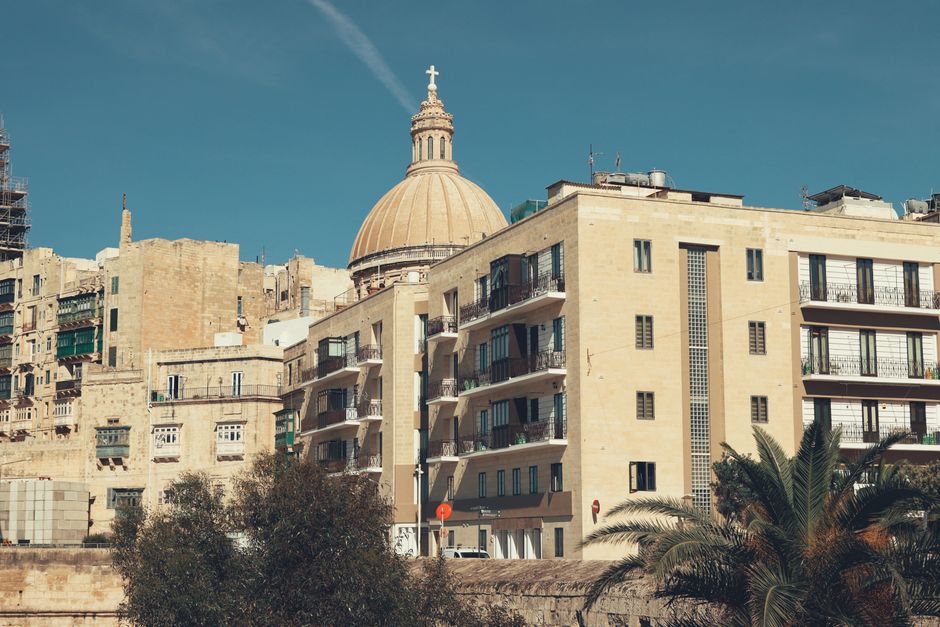
The accused had been arrested in dramatic fashion in 2019 as he attempted to leave Malta aboard his yacht, a moment that proved to be a political turning point for the country. His detention triggered a wave of public demonstrations, with large crowds gathering in Valletta to demand justice and broader government accountability. The protests ultimately contributed to the resignation of then-Prime Minister Joseph Muscat, whose administration had come under intense scrutiny amid the unfolding investigation.
A Case That Shook Maltese Political Life
Three men who physically carried out the bombing have already been convicted and sentenced for their role in the murder. The question of who ordered the killing, however, has remained deeply contentious. Prosecutors had argued that the acquitted businessman sat at the top of a chain of command responsible for the assassination, a charge he consistently denied. The jury’s decision to clear him of all charges leaves that central question legally unresolved, according to reports following the verdict.
Caruana Galizia had been one of Malta’s most widely read and fearless journalists, running a blog that regularly broke stories on alleged corruption, money laundering and abuse of power. Her assassination drew comparisons to attacks on press freedom seen in less democratic contexts and prompted the European Parliament and numerous press freedom organisations to call for a thorough and independent inquiry. A public inquiry subsequently found that the Maltese state bore some responsibility for creating an environment in which she could be killed, a finding the government acknowledged.
Her family and supporters have long campaigned for full accountability, arguing that convicting only the individuals who physically executed the attack without establishing criminal responsibility at the highest alleged level of the conspiracy would amount to incomplete justice. The acquittal is likely to deepen those concerns, with advocacy groups expected to scrutinise the verdict closely in the coming days.
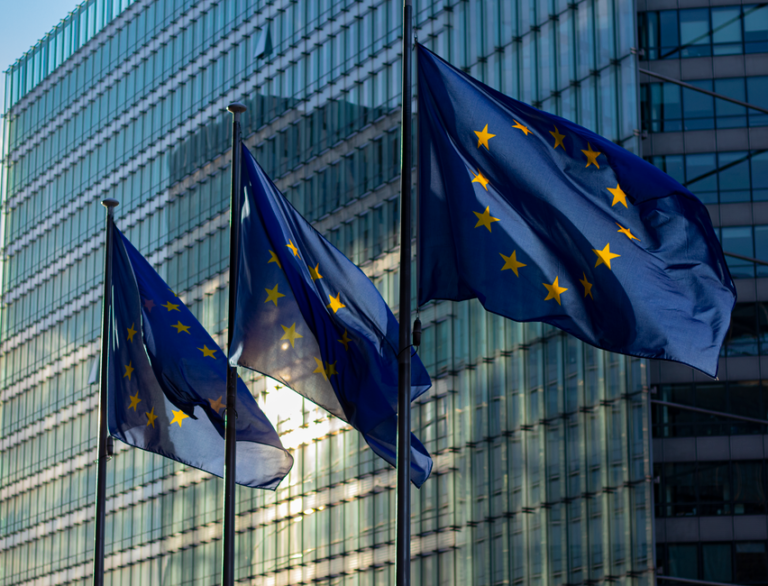
The case has had lasting repercussions for Malta’s international reputation, particularly within European Union institutions, where concerns about the rule of law and press freedom on the island have been voiced on multiple occasions. Whether prosecutors will seek any further legal avenue following the jury’s decision remains unclear. For many observers across Europe, the verdict marks a painful moment in a case that has come to symbolise the vulnerabilities faced by journalists who investigate power — and the difficulty of ensuring that those who order their silencing are ever brought to justice.