Washington doubles down on drone tariffs in bid to curb Chinese supply chain dominance
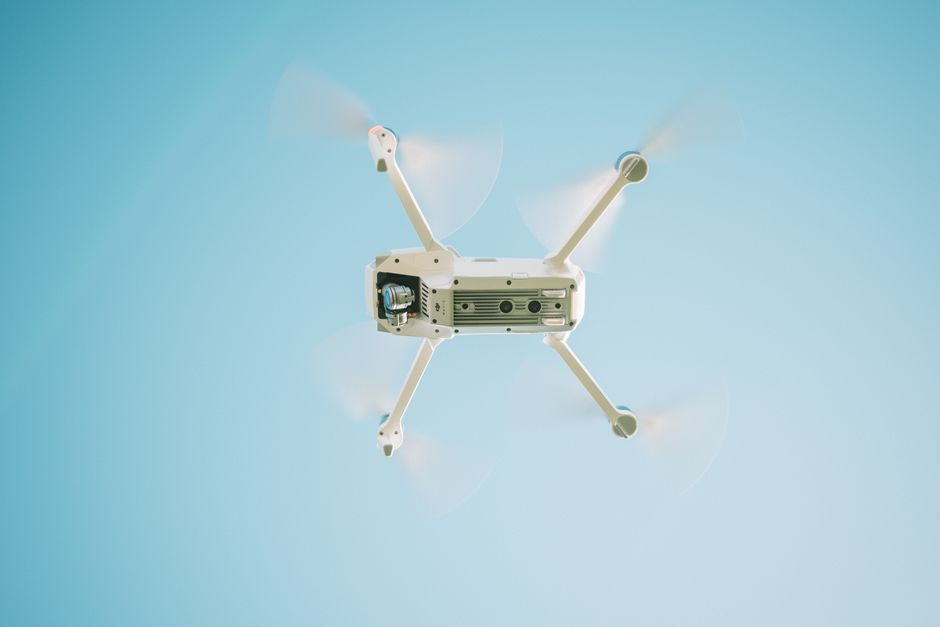
The United States has moved aggressively to reshape its drone supply chain, rolling out tariffs of up to 100% on unmanned aerial vehicles and key components in a policy shift that took effect this week. The measures are widely understood as a direct response to the commanding position held by Chinese manufacturers — above all DJI — across civilian and commercial drone markets worldwide.
The new import duties represent one of the most significant escalations in Washington’s ongoing effort to reduce strategic dependence on Chinese technology suppliers. Drones have become a focal point in that broader effort, given their growing application across agriculture, infrastructure inspection, emergency services, and — critically — military and security operations.
A strategic sector under scrutiny
Officials have made little secret of the national security dimension underpinning the tariff decision. Chinese-made drones, particularly those manufactured by DJI, have in recent years drawn scrutiny from US regulators and defence agencies concerned about potential data-sharing risks and the vulnerability of critical infrastructure to foreign-controlled hardware. DJI has consistently denied that its products pose any security threat, but the company has nonetheless found itself on a series of US restricted-trade lists in recent years.
The 100% tariff rate effectively doubles the cost of importing affected products, a level that economists generally regard as prohibitive for most commercial buyers. Drone operators and businesses that have come to rely on Chinese-made equipment — often praised for its affordability and technological sophistication — may face difficult decisions about absorbing higher costs or transitioning to alternative suppliers. Domestic US manufacturers and producers in allied countries are expected to be the primary beneficiaries, according to reports from the industry.
The policy fits within a wider pattern of trade restrictions that successive US administrations have applied to Chinese technology firms. Semiconductors, telecommunications equipment and electric vehicles have all become flashpoints in the ongoing contest between Washington and Beijing over technological and economic leadership. Drones represent the latest front in that competition.
For European operators and companies, the development carries indirect but potentially significant implications. Many businesses across the continent also rely heavily on DJI products, and a hardening of the US regulatory environment could embolden European institutions to revisit their own procurement guidelines. The European Union has already begun examining supply chain risks associated with Chinese technology in several sensitive sectors, and drone policy may come under closer review as a result of the American precedent.
Industry observers note that viable alternatives to Chinese drones at comparable price points remain limited, meaning a meaningful transition would require either substantial investment in domestic production capacity or a period of elevated costs for end users. Start-ups and smaller operators, particularly in sectors like agriculture and media, are likely to feel the pressure most acutely.
Washington has framed the tariffs as a necessary correction to market dynamics that have allowed Chinese firms to undercut competitors and establish what it characterises as an unhealthy level of dominance in a strategically sensitive technology. Whether the measures succeed in catalysing a genuine domestic industry — or simply raise costs without reshaping supply chains — remains to be seen, but the signal from US trade authorities is unambiguous: the era of unchecked reliance on Chinese drone hardware is, as far as Washington is concerned, over.