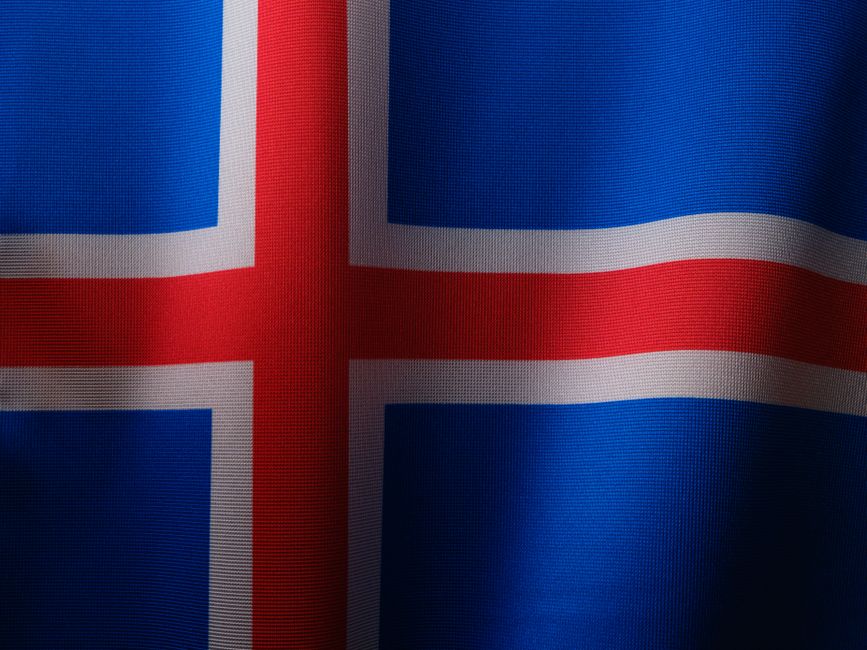
Iceland Steps Back from EU Path as Membership Referendum Falls Short
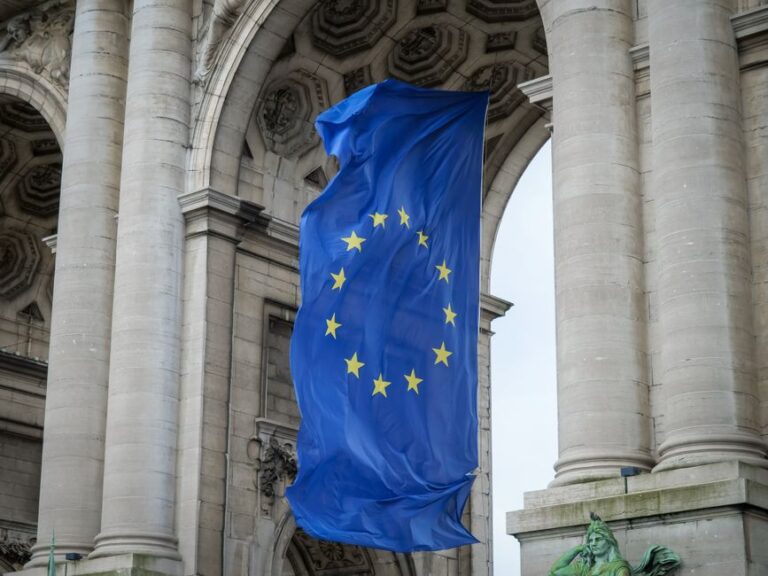
Iceland’s long-ambivalent relationship with the European Union has taken another decisive turn, after voters rejected a proposal to restart formal membership negotiations in a closely watched national referendum. The result leaves the Nordic island nation firmly outside the bloc for the foreseeable future, ending what many had hoped would be a renewed path toward European integration.
The outcome produced sharply divided reactions within the country. Supporters of EU membership expressed sorrow and disappointment, arguing that closer ties with the bloc would have strengthened Iceland’s economic resilience, bolstered its geopolitical standing, and given Icelandic citizens a direct voice in shaping European policy. Opponents, meanwhile, greeted the result with undisguised relief, insisting that sovereignty over fisheries, natural resources, and monetary policy was too high a price to surrender to Brussels.
Iceland first applied for EU membership in 2009, in the immediate aftermath of the financial crisis that brought its banking system to the brink of collapse. Accession talks were subsequently suspended in 2013 by a centre-right government that came to power on a broadly eurosceptic platform, and the application was formally withdrawn in 2015. The referendum represented what proponents had billed as a democratic opportunity to revisit that decision in a changed political and economic climate.
A Divisive Debate That Split Families and Parties
In the weeks leading up to the vote, Iceland’s public discourse was dominated by the question of national identity as much as economics. Fishing rights — long the central stumbling block in any discussion of EU integration — again proved a fault line, with many coastal communities fearing that membership would force Iceland to open its rich maritime territories to European fleets. Advocates countered that modern accession terms could be negotiated to protect Icelandic interests, and pointed to the trade and diplomatic advantages of full membership.
According to reports from Icelandic media, turnout was significant, reflecting the depth of public engagement with the issue. Officials on both sides of the campaign acknowledged that the debate had, at times, grown unusually bitter for a country accustomed to relatively consensual politics.
The referendum result has reverberated beyond Iceland’s borders. Right-wing and eurosceptic figures in France and the United Kingdom were among those publicly welcoming the outcome, according to reports, framing it as further evidence that European citizens, when given the choice, prefer national sovereignty to deeper integration. The reaction drew criticism from pro-European commentators, who argued that Iceland’s unique circumstances — including its existing membership of the European Economic Area — made it a poor model for broader anti-EU arguments.
For the European Commission, the result represents a quiet setback at a moment when the bloc has been focused on enlargement toward the Western Balkans and Ukraine. Iceland’s rejection of even preliminary talks is unlikely to reshape EU policy, but it adds to a broader narrative of enlargement fatigue that officials in Brussels have been anxious to counter.
What comes next for Iceland remains uncertain. The country will continue to participate in the single market through the EEA and maintain its close ties with NATO partners, but the aspiration of full EU membership now appears shelved indefinitely. Whether a future government will dare to revisit the question — and whether voters’ appetite for the debate will return — remains, for now, an open question.