
Europe’s Summer Heat Waves Are Generating a Slow-Burning Fiscal Crisis
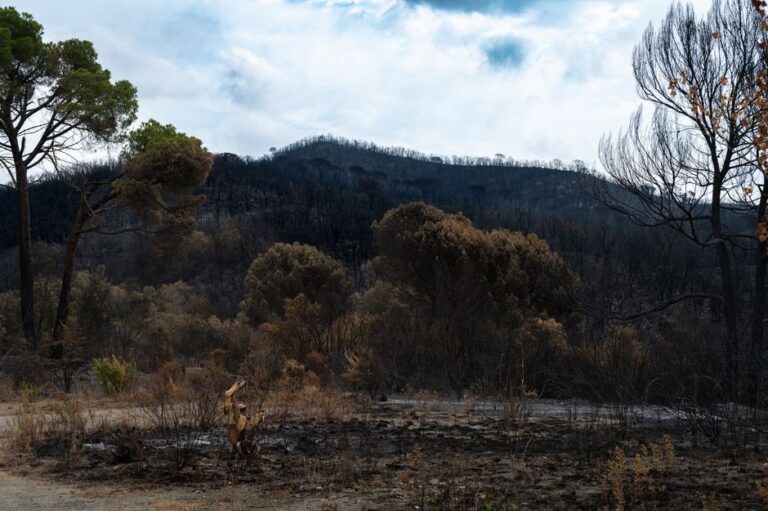
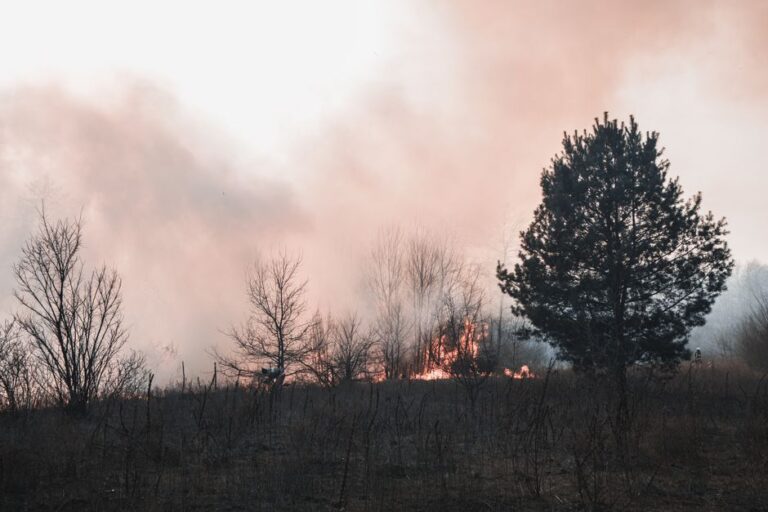
As Europe emerges from another summer marked by extreme heat, prolonged drought and destructive wildfires, governments across the continent are bracing for a financial reckoning that will not fully materialise on balance sheets until well into the coming months — a deferred cost that analysts warn is becoming a structural feature of modern European budgeting.
The pattern is now familiar: temperatures spike, reservoirs dry up, crops wither and forests burn. Emergency services are mobilised, evacuation orders issued and disaster declarations signed. But the true scale of the damage only becomes apparent later, as compensation claims pile up, tax revenues disappoint and the invoices for infrastructure repairs begin to arrive.
Agricultural sectors across southern and central Europe have been among the hardest hit. Drought conditions have reduced yields for key crops including wheat, olives and grapes, leaving farm ministries facing mounting demands for emergency subsidies and income support. According to reports, several governments have already signalled that existing rural assistance funds are under significant strain, with additional parliamentary appropriations likely to be required before the year is out.
From Disaster Relief to Structural Budget Pressure
Beyond farming, the broader economic knock-on effects are considerable. Wildfires destroy timber resources and tourism infrastructure, while extreme heat suppresses labour productivity and pushes up energy demand at precisely the moments when grids are already stressed. Damage to roads, bridges and water systems — much of it in regions already contending with ageing public infrastructure — adds further claims on public finances that were in many cases already stretched by the legacy costs of the pandemic and the energy crisis triggered by Russia’s invasion of Ukraine.
Food price inflation represents another channel through which climate-related disruption passes through to ordinary households and, indirectly, to governments through pressure on social support systems. When domestic harvests fall short, import costs rise, a dynamic that tends to hit lower-income countries and households disproportionately hard, officials have noted.
European Union mechanisms, including the EU Solidarity Fund and various agricultural support instruments, exist precisely to help member states manage the aftermath of natural disasters. However, the sheer frequency with which extreme weather events are now occurring has raised questions among budget analysts and climate economists about whether these instruments were designed for a climate reality that no longer exists. Annual activation of emergency funds is beginning to look less like crisis management and more like a recurring line item.
The fiscal pressure is compounding a broader political debate about how European governments should account for climate risk in their long-term budget planning. Some member states have begun exploring dedicated climate reserve funds or enhanced catastrophe insurance schemes, according to reports, though concrete legislative progress remains uneven across the bloc.
What is becoming increasingly difficult to dispute is that the cost of inaction — or inadequate adaptation — is no longer abstract. It arrives each autumn in the form of supplementary budgets, aid disbursements and revised growth forecasts. For finance ministries from Lisbon to Warsaw, the summer heat has become a fiscal event as much as a meteorological one, and the ledger it produces is growing longer with each passing year.