Iceland Steps Back from EU Membership Discussions in Symbolic Rebuff to Brussels
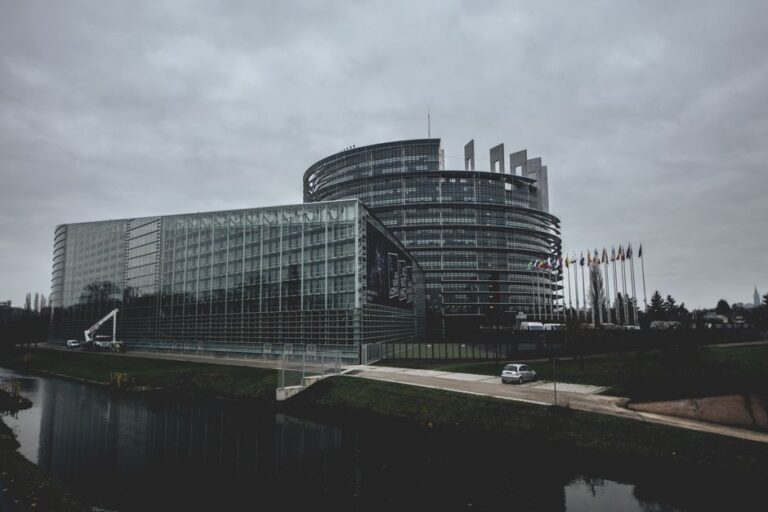
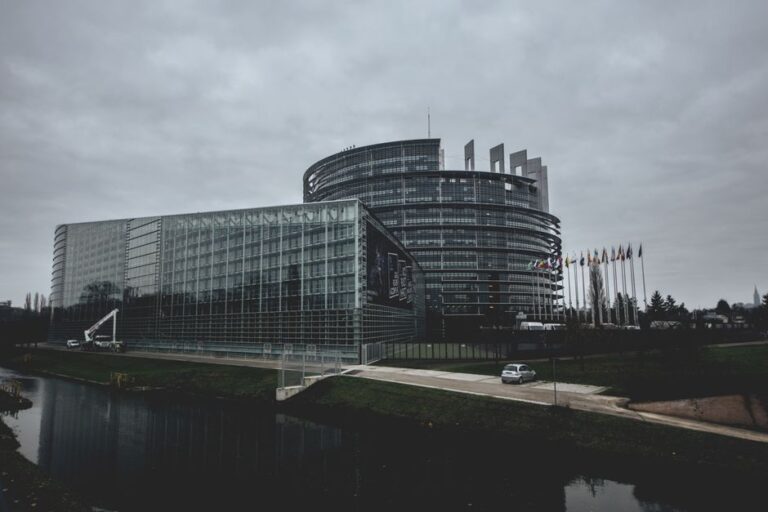
Iceland has dealt a notable blow to any prospect of renewed European Union accession talks, with the country’s political establishment signalling a clear reluctance to reopen the question of membership — a decision that underscores the persistent divides between the Nordic nation and the broader European project.
The development marks a significant moment for EU enlargement ambitions in the region. Iceland had previously applied for EU membership in 2009 during the height of its financial crisis, but formally withdrew that application in 2015 after economic conditions stabilised and public enthusiasm for joining the bloc waned considerably. The latest signals suggest that appetite for reviving those negotiations remains firmly absent in Reykjavik.
According to reports, Icelandic officials and political parties have reiterated their opposition to entering into any formal dialogue with Brussels regarding accession, citing sovereignty concerns, the country’s distinctive fishing rights framework, and a general public scepticism toward deeper European integration. Iceland is already closely tied to the EU through its membership of the European Economic Area and the Schengen Area, arrangements that many in the country consider sufficient for managing cross-border relations.
A Complex Relationship with European Integration
Iceland’s relationship with the European Union has always been nuanced. While the country benefits from access to the single market and participates in a range of EU programmes, full membership has consistently proven a politically contentious proposition. The fishing industry, which holds an outsized cultural and economic importance for the island nation, has long been a central sticking point, as EU common fisheries policy would impose significant constraints on how Iceland manages its extensive maritime resources.
The timing of this latest development is notable given that the European Union has been actively pursuing an enlargement agenda elsewhere on the continent, with Western Balkan nations, Ukraine, Moldova, and Georgia all at various stages of the accession process. Against that backdrop, Iceland’s continued reluctance offers a reminder that EU membership does not hold universal appeal, even among prosperous, democratic European states with deep cultural and historical ties to the continent.
Norway and Switzerland find themselves in a similar position to Iceland — closely integrated with the EU economically and institutionally, yet firmly outside the political union itself. This cluster of prosperous non-member states suggests that the EEA and bilateral agreement models continue to represent a viable and attractive alternative to full accession for certain European democracies.
For Brussels, the setback is largely symbolic rather than strategically critical. Iceland’s small population of roughly 370,000 people means its accession would carry limited geopolitical or economic weight compared to the larger candidate countries currently navigating the membership process. Nevertheless, the rejection serves as a pointed illustration of the limits of the EU’s gravitational pull, even in its immediate neighbourhood. European officials have not publicly commented on Iceland’s position, and no formal talks were understood to have been imminent in any case.